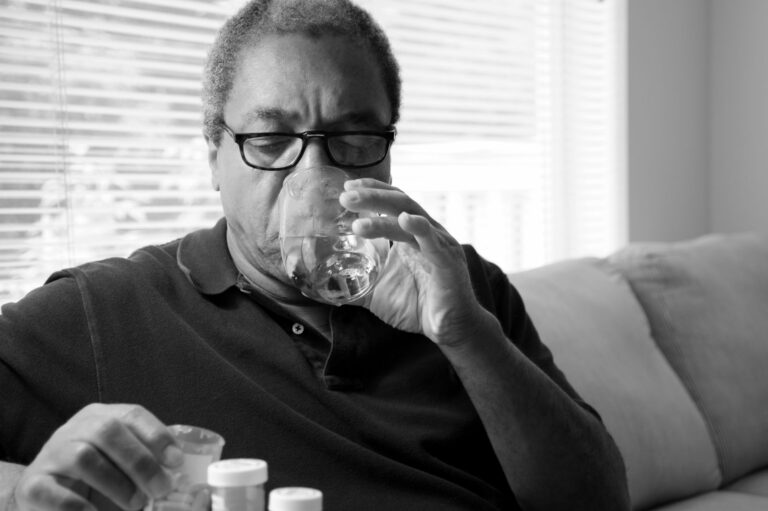
A step-by-step plan for forgetting to drink in late-stage dementia care is to offer small cups of fluid through the day plus water-rich foods, assist each sip safely, and watch for dehydration. Late-stage dementia means advanced memory and thinking loss where a person may not feel thirst, find a cup, or ask for a drink. Memory loss, weaker thirst signals, trouble communicating, diuretic medicines, fear of swallowing, and limiting fluids because of incontinence all lower intake. Banner Health explains that dehydration can develop after only a few hours without fluids in its Ask the Expert article on dehydration in dementia.
Medical information disclaimer: This article is for general educational purposes only and does not provide medical advice, diagnosis, or treatment. Always consult a physician or other qualified health professional about symptoms, medications, tests, or treatment decisions.
Table of Contents
- Why does drinking get forgotten?
- What daily drinking routine helps most?
- How do you assist each sip safely?
- What signs mean act now?
- What if drinking is refused or unsafe?
Why does drinking get forgotten?
People may forget where cups are kept or what a cup is for. They may not notice thirst or connect dry mouth with needing fluid. Some refuse drinks because swallowing feels scary or coughing has happened before.
Others drink less to avoid bathroom trips or accidents. Medicines that increase urine output can also remove more water than the person replaces. Together, these causes make missed drinks common rather than willful.
What daily drinking routine helps most?
Offer small cups of water or other liquids many times during the day. Keep the cup visible, within reach, and refilled without pressure. Add high-water foods such as fruit, soups, milkshakes, and smoothies.
The Alzheimer's Association recommends this mix of frequent drinks and moist foods because middle- and late-stage Alzheimer's often brings swallowing problems, choking risk, and weight loss in its daily care guidance on food and eating. Aim for steady sips toward 6–8 cups or glasses of fluid daily. Alzheimer's Society UK advises this target, preferred drinks, adapted cups, jellies, and water-rich foods when plain water is refused in its drinking and hydration guidance.
How do you assist each sip safely?
Help only when the person is awake and alert. Seat them upright, with dentures, glasses, and hearing aids in place.
Offer small, slow mouthfuls and confirm each swallow before the next sip. Use short prompts such as "here is your drink" and allow extra time. This slow pace lowers choking risk and gives the person control.
- Sit face-to-face at eye level.
- Offer one small sip, then pause.
- Check the mouth is clear before offering more.
- Stop if coughing, pocketing fluid, or drowsiness starts.
What signs mean act now?
Watch daily for dry mouth, dark or strong-smelling urine, sunken eyes, dizziness, weakness, headache, constipation, agitation, and worse confusion or fatigue. Note what is normal for the person so changes stand out. Get urgent or emergency care for worsening confusion, fever of 101F/38.3C, breathing difficulty, rapid heartbeat, vomiting or diarrhea, chest or abdominal pain, or no urination for eight hours.
Keep a simple log of time, mood, drink type, and amount. That log helps spot patterns such as refusal at certain hours or with thin liquids. Share it with the care team at visits.
What if drinking is refused or unsafe?
If the person refuses, clamps lips, coughs, holds fluid in the cheek, or seems drowsy, pause for a few minutes. Retry later or ask another familiar caregiver to try. Track which times, moods, cup styles, drink temperatures, and textures work best.
Contact the GP or speech-language therapist promptly for a swallowing assessment if coughing or refusal repeats, following NHS advice in the Bradford District Care mealtime concerns guide. Major geriatrics and palliative groups do not recommend routine feeding tubes for advanced dementia. Careful hand feeding matches tube feeding for survival, aspiration pneumonia, function, and comfort, while IV fluids supply water only briefly, not nutrition.