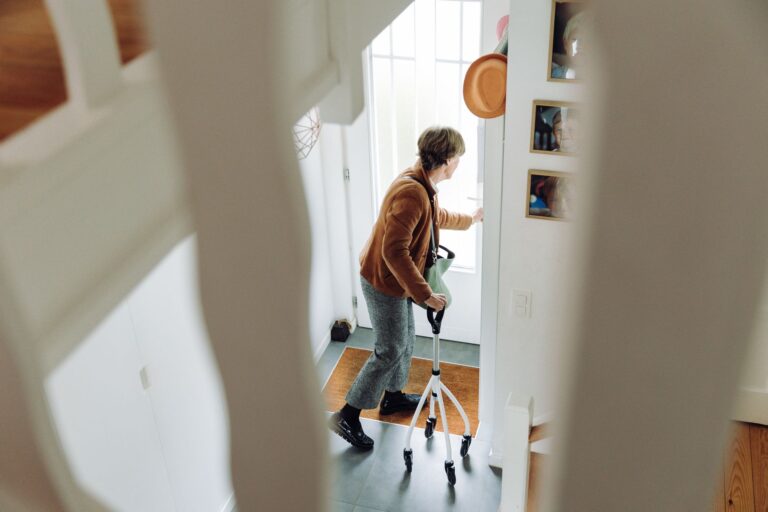
Forgetting to drink in middle-stage dementia care means the person misses fluids because memory loss blocks thirst cues and drink routines. Change the space to make drinks visible and easy to hold, and offer small drinks often with tracking and fluid-rich foods. Middle-stage dementia is the phase when memory and thinking problems interfere with daily tasks like drinking. The Airedale NHS Foundation Trust leaflet states dehydration is common in dementia and can cause constipation, urinary infections, pressure ulcers, falls, and hospital admission.
Medical information disclaimer: This article is for general educational purposes only and does not provide medical advice, diagnosis, or treatment. Always consult a physician or other qualified health professional about symptoms, medications, tests, or treatment decisions.
Table of Contents
- Why does drinking get forgotten?
- What does dehydration do and what are warning signs?
- How should the drinking space change?
- How should the daily care plan change?
Why does drinking get forgotten?
People with advancing dementia may forget to drink and forget they just drank. They can also lose the ability to ask for fluids, shop for drinks, prepare drinks, or use cups and cutlery.
Banner Health reports low intake also comes from blunted thirst and trouble recognizing glasses, faucets, and bottles in Banner Health's guide to dehydration in dementia. The same source lists inability to say one is thirsty, fluid-losing medicines, choking fear from dysphagia, and limiting drinks over incontinence worries. Dysphagia means difficulty swallowing.
What does dehydration do and what are warning signs?
Banner Health lists worsened confusion, fatigue, dry mouth, dark or strong-smelling urine, dizziness, agitation, constipation, headache, sunken eyes, and behavior change as dehydration signs. It notes dehydration can appear after only hours without fluids. Banner Health advises urgent care for these changes:.
- worsening confusion
- fever of 101F or 38.3C or higher
- breathing difficulty or rapid heartbeat
- vomiting or diarrhea
- chest or abdominal pain
How should the drinking space change?
Keep the drinking area calm and uncluttered. Keep a favorite, clear, or brightly colored cup in sight and within reach.
Add a hydration station or visible pitcher of water where the person sits most. The Alzheimer's Society guidance on drinking and hydration recommends easy-grip, two-handled, half-filled, or measured-dose lidded cups to reduce spills and confusion. Cambridge University Hospitals NHS supports the same approach for carers.
How should the daily care plan change?
Ask the doctor for a daily fluid target and track fluids and weight each day. Aim for 6–8 cups or glasses daily using water, tea, coffee, milky drinks, juice, smoothies, squash, soup, and water-rich options such as Jelly Drops. If plain water is refused, the National Institute on Aging advises juice, flavored water, broth, milk, or decaffeinated coffee or tea in its guide to common medical problems in Alzheimer's care.
Offer small cups often and add fluid-rich foods such as soup, jelly, yogurt, and melon. Prompt face-to-face at eye level even when the person says they are not thirsty. The Airedale leaflet warns that coughing, food pouching, or repeated chest infections signal swallowing problems. Ask for a speech-and-language assessment, discuss thickeners, and use straws or spouted beakers with caution.