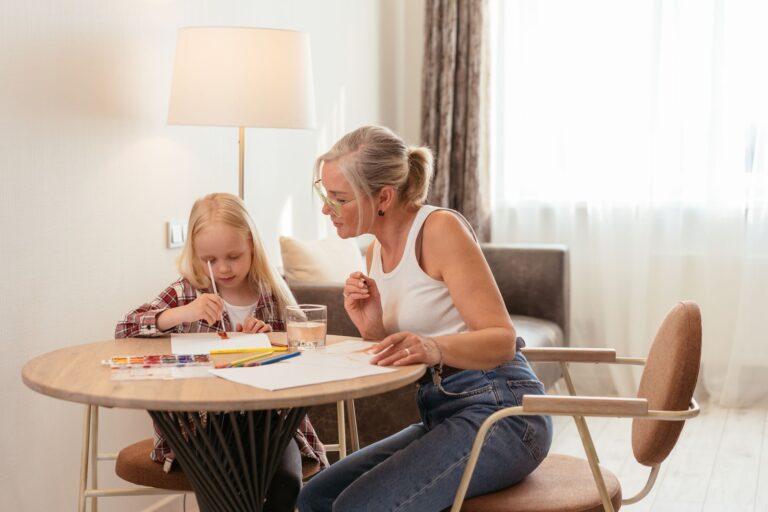
When watercolor no longer holds interest, direct substitutes are drawing, clay modeling, collage, coloring abstract patterns, and music. One-on-one dementia care means one caregiver supports one person with dementia at that person's pace. The Alzheimer's Association states music and art can enrich lives and support self-expression and engagement even after dementia has progressed Alzheimer's Association guide to art and music. The same Association states art projects can create accomplishment and purpose for the person and caregiver.
Medical information disclaimer: This article is for general educational purposes only and does not provide medical advice, diagnosis, or treatment. Always consult a physician or other qualified health professional about symptoms, medications, tests, or treatment decisions.
Table of Contents
- Which art materials replace watercolor?
- Can music help when art interest fades?
- How do you start the new activity?
- What are the limits of the evidence?
Which art materials replace watercolor?
A 2025 randomized trial published in Scientific Reports defines visual-arts options beyond watercolor as painting, drawing, clay modeling, and collage trial report in Scientific Reports. That framing supports direct substitution during one-on-one care. A caregiver can offer thick crayons, colored pencils, clay, or cut paper.
Hattori and colleagues tested coloring abstract patterns and line drawing in 39 patients with mild Alzheimer's disease. The art group showed significant apathy-scale improvement versus calculation training, with P equals 0.014. Coloring and simple drawing suit short sessions and limited hand strength.
Can music help when art interest fades?
The Alzheimer's Association reports studies show music may reduce agitation and improve behavioral issues common in middle stages. Music needs no brush control or cleanup. A caregiver can play familiar songs, clap along, or hum together.
VA dementia caregiver guidance adapted from the Alzheimer's Association states music and art allow creativity. The same guidance states music can reduce agitation and improve behavior. It also states music can connect after verbal communication is lost.
How do you start the new activity?
Dementia specialists advise caregivers to provide nontoxic paints, hand the person the brush or clay, demonstrate the action, and try collage-making or music-making apps, as reported in a WebMD feature on creative outlets. Keep choices narrow and actions visible.
Sit beside the person, not across. Repeat the same small step when attention drifts. Shared making gives both people a chance for self-expression.
- Offer one material at a time, such as clay or collage shapes.
- Place the brush or clay in the person's hand.
- Demonstrate one motion, then pause for imitation.
- Switch to a music-making app if handwork causes frustration.
What are the limits of the evidence?
A 2018 Cochrane review included only two dementia art-therapy trials with 60 analyzed participants. Reviewers rated the evidence very-low quality and found insufficient evidence of efficacy, described in a summary in Frontiers in Psychology. Benefits remain possible, but not proven for every person.
That limit makes fit more important than medium. Choose drawing for easy setup, clay for touch, collage for tearing and placing, or music for listening and rhythm. Hand the person the tool, show the motion, and let them continue.