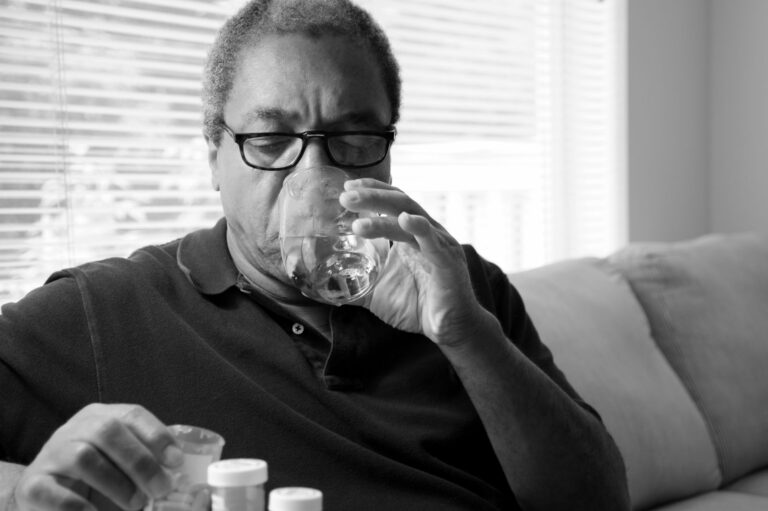
Forgetting to drink in late-stage dementia care means the caregiver offers fluids often instead of waiting to be asked. Say "shall we have tea together," hand over a small familiar cup, and drink along with the person.
Late-stage dementia is the phase when memory, speech, movement, and swallowing decline sharply and daily needs depend on others. At this stage, thirst signals fade and asking for a drink may stop. The Alzheimer's Association notes that caregivers should actively offer fluids rather than wait, as described in its late-stage caregiving guidance.
Medical information disclaimer: This article is for general educational purposes only and does not provide medical advice, diagnosis, or treatment. Always consult a physician or other qualified health professional about symptoms, medications, tests, or treatment decisions.
Table of Contents
- Why does drinking get forgotten?
- Which warning signs need quick action?
- What can you say and do at drink time?
- What if water is refused or swallowing is hard?
Why does drinking get forgotten?
Memory loss is only one cause. A person may not recognize a cup or faucet, may be unable to feel or report thirst, or may fear choking when swallowing. Banner Health explains that aging can blunt thirst while medicines, limited mobility, and drinking less to avoid incontinence add risk, in its expert answer on dehydration in dementia.
That mix makes missed drinks common even with attentive care. Dehydration then raises the risk of confusion, weakness, and illness. Regular offers matter more than reminders to "drink more.".
Which warning signs need quick action?
Watch the mouth, urine, eyes, energy, and behavior. Warning signs include dry mouth, dark or strong-smelling urine, sunken eyes, dizziness, weakness, headache, constipation, agitation, behavior change, and worsening confusion.
Dehydration can develop within hours without fluids. Treat a sudden change in alertness, new agitation, or much darker urine as a prompt to offer fluids and call the care team for advice.
What can you say and do at drink time?
Get eye-level attention before speaking. Use a short warm invitation, offer one drink at a time, and place a small cup directly in the person's hand.
The Alzheimer's Society UK recommends this social approach in its drinking and hydration guide. Its steps include: Keep the routine calm and unhurried. If one drink is refused, try another fluid later rather than pressing.
- say "shall we have tea together" rather than asking if they are thirsty
- use a familiar, light, clear or bright cup
- offer drinks through the day in small amounts
- model drinking and say "cheers" before sipping
What if water is refused or swallowing is hard?
When plain water is refused, offer juice, milk, decaffeinated tea or coffee, soup, broth, gelatin, or sherbet as fluid sources. Different temperatures and small slow sips can also help.
As dementia progresses, swallowing difficulty becomes common. Keep the person fully awake and upright, give small slow sips and mouthfuls, avoid straws if swallowing worsens, and ask the GP or a speech-therapy professional for an assessment. Tube feeding in late-stage dementia has no evidence of extending life, preventing pneumonia, healing pressure sores, or improving comfort, and careful hand feeding is recommended instead.