One-on-one watercolor care means the caregiver sits beside the person with dementia and paints alongside them to model use and sustain interaction. Engagement shows as sustained attention, handling materials, smiling, and commenting, while distress shows as tiredness, restlessness, refusal, withdrawal, or upset when work feels not right. Sessions can use watercolors, acrylics, or pastel chalks on large paper with washable paints. The focus stays on process over product, at an adult level, with conversation built into the work.
Medical information disclaimer: This article is for general educational purposes only and does not provide medical advice, diagnosis, or treatment. Always consult a physician or other qualified health professional about symptoms, medications, tests, or treatment decisions.
Table of Contents
How a one-on-one session works
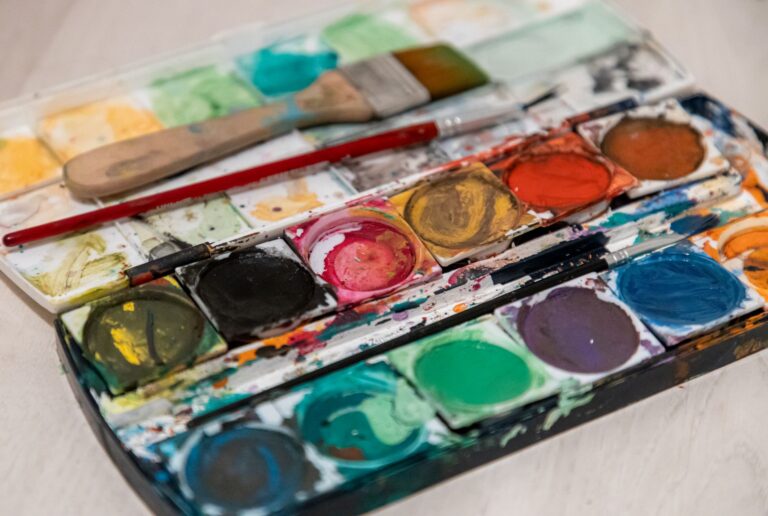
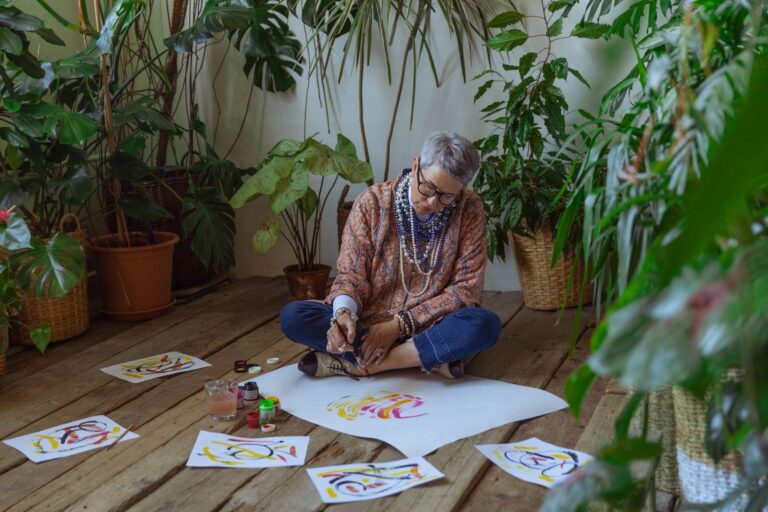
UsAgainstAlzheimer's describes one-on-one care as sitting beside the person, offering watercolors, acrylics or pastel chalks, and actively painting alongside them, as explained in this guide to bringing joy through art. Modeling brush handling and color mixing gives the person a clear example to follow. It also keeps interaction steady without pressure to perform. The Alzheimer's Association advises keeping projects at an adult level and avoiding childlike tasks, while building conversation into the work, in its caregiving advice on art and music.
The caregiver encourages the person and discusses what they are creating or remembering. That talk supports connection during painting. Start simple with one color, large paper, and easy access to water and brushes. Follow the person's pace and let them choose colors and marks.
What engagement looks like
Engaged painters show sustained visual attention and handle brushes, mix colors, and stay with the page. The HelpDementia editorial team lists smiling, pointing proudly to finished work, commenting on color choices, and reminiscing about past experiences as engagement signs. These behaviors matter more than skill or finished image. A Dulwich Picture Gallery pilot of six people with mild-to-moderate dementia paired viewing paintings with art-making and found higher attention and engagement plus better episodic memory and verbal fluency, reported in this pilot study report.
Researchers tracked change by direct observation with the Affect and Engagement Rating Scale. That scale rates interest, pleasure, sadness, and related affect rather than art quality. Watch for small shifts like longer looking, steadier brush use, and more talk. Those signs show the activity is holding attention.
When to pause or stop
The HelpDementia editorial team lists tiredness, restlessness, frustration, refusal, withdrawal, increased agitation, or upset about work feeling not right as distress cues, described in this description of art therapy signs. These cues signal the caregiver to simplify, pause, or stop.
Pushing through can raise agitation. When a cue appears, offer a simpler choice, take a break, or end kindly. Save the work without judgment and shift to rest, a drink, or a walk.
- Looks away, puts brush down, or pushes materials away
- Says work is wrong, becomes restless, frustrated, or tearful
- Shows rising agitation, fatigue, or withdrawal from talk
- Refuses next step or asks to stop
What success means
Creative activity can help anxiety, agitation, aggression, and overall mood while keeping the brain engaged and supporting social connection, according to Alzheimer's Association senior director Sam Fazio in WebMD reporting. Effects vary by person and day. Art does not treat underlying dementia.
Treat calmer behavior during and after painting as success. Reduced agitation, steadier mood, brief pleasure, and social exchange count even when the page stays simple. Keep paper large, paints washable, and expectations tied to process. Follow the person's cues and end while the experience still feels safe.