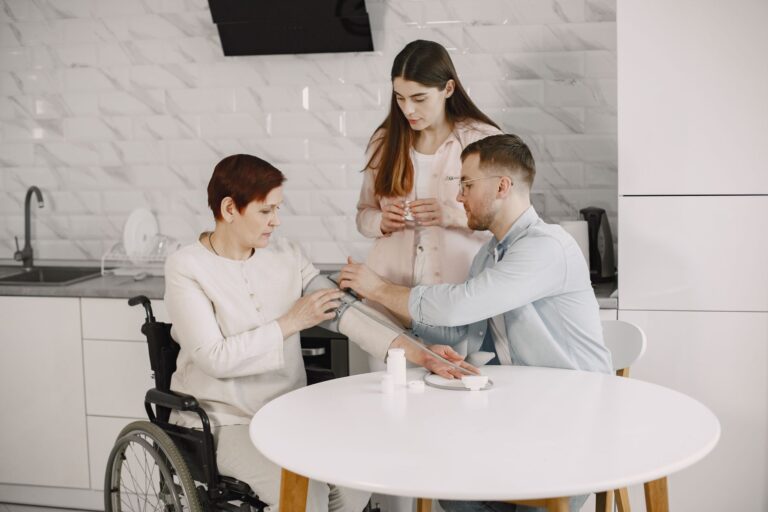
Ask a dementia specialist what drives the repeated questions, which medical causes to rule out, and exactly how respite staff should answer and comfort your loved one. Respite care is short-term relief for a primary caregiver, lasting from a few hours to several weeks at home, in a health care facility, or at an adult day center, according to the NIA respite care explainer.
Repeated questions reflect brain-cell deterioration that impairs short-term memory. The person often does not remember asking and is usually seeking comfort, security, or familiarity, according to the Alzheimer's Association guidance on repetition. Asking the same questions over and over and needing frequent reminders counts as memory loss that disrupts daily life.
Medical information disclaimer: This article is for general educational purposes only and does not provide medical advice, diagnosis, or treatment. Always consult a physician or other qualified health professional about symptoms, medications, tests, or treatment decisions.
Table of Contents
- Why does repetition happen?
- What medical causes should we rule out?
- What triggers confusion, poor sleep, and evening distress?
- How should respite staff respond in the moment?
- What written plan should respite providers get?
Why does repetition happen?
Repetition is not stubbornness or inattention. Damage to memory circuits prevents new answers from sticking, so each repeat feels like the first ask to the person. Anxiety, insecurity, boredom, or discomfort often sit underneath the words.
Ask the specialist whether a pattern points to an unmet need. Note the time, people, and surroundings when questions spike. That record helps separate memory loss from hunger, pain, fatigue, or an unfamiliar setting.
What medical causes should we rule out?
Ask what history, cognitive testing, and exams your loved one needs. A thorough workup takes history from both the person and a knowledgeable family member. It also checks thinking, function, and medications.
Ask which blood and urine tests can exclude reversible causes. Infections, urinary tract infections, B12 deficiency, thyroid problems, depression, delirium, and drug effects can worsen confusion. Treating those causes can reduce distress before any memory-clinic referral.
What triggers confusion, poor sleep, and evening distress?
Ask what triggers or worsens confusion and poor sleep for this person. Pain, illness, sleep disorders, and medication side effects are common contributors. A medical exam can identify a treatable cause of agitation and sundowning.
Bring a current drug list, sleep log, and examples of evening behavior. Ask whether dose timing, daytime naps, caffeine, light exposure, or nighttime noise play a role. Small fixes here often calm daytime repetition too.
How should respite staff respond in the moment?
Ask the specialist to demonstrate a calm, brief response staff can repeat. The Alzheimer's Association advises caregivers to stay calm and patient, avoid arguing or logic, and reassure with a calm voice and gentle touch. Answer briefly even when asked multiple times, then redirect gently.
Teach staff to look for the feeling behind the question. If the person asks when family returns, staff can offer safety first, then closeness. A warm tone, eye contact, and a familiar blanket, photo, or song often help more than another explanation.
What written plan should respite providers get?
Ask the provider how to communicate, use memory aids, organize medicines, prevent wandering and self-harm, and judge daily-task safety, as listed in the MedlinePlus guide on what to ask your doctor. Put the answers in one short handoff sheet for every respite worker.
When the person can still read, post the answer where it stays visible. Use clocks, calendars, notes, and photos as daily anchors. If boredom triggers loops, ask staff to offer a walk, simple chore, snack, or favorite program right after answering.
- Exact one-sentence answers for the three most repeated questions
- Where visible notes, clocks, calendars, and photos sit in the home
- Calming steps: touch, phrase, music, walk, snack, or pleasant activity
- Dressing tips, therapy exercises, medicine times, and who to call