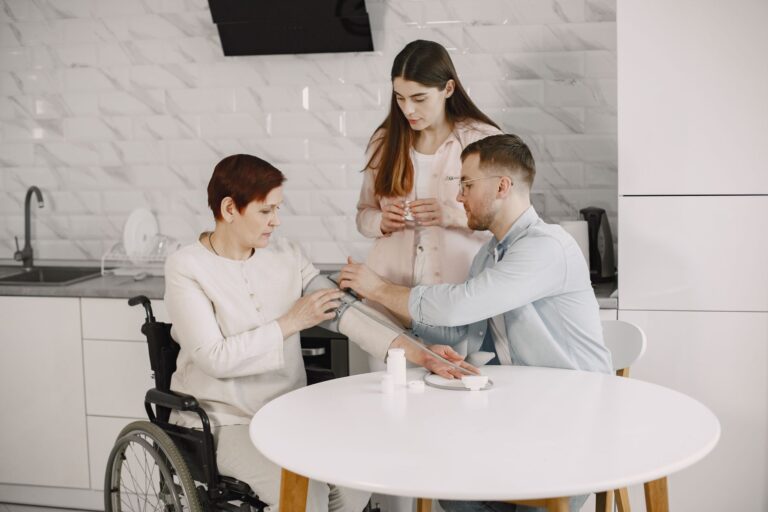
Repeated questions during respite care call for changes to the space and care plan that add comfort and familiarity. Respite care is short caregiver rest with continued safe care, says the Alzheimer's Association in its respite care guide.
People with Alzheimer's repeat because deteriorating brain cells reduce their ability to make sense of the world. The Alzheimer's Association notes in its repetition guidance that repeated questions often seek comfort, security, and familiarity. The same guidance says they can express anxiety, insecurity, concern, or need for help.
Medical information disclaimer: This article is for general educational purposes only and does not provide medical advice, diagnosis, or treatment. Always consult a physician or other qualified health professional about symptoms, medications, tests, or treatment decisions.
Table of Contents
- Why does a respite stay increase repetition?
- What space changes reduce triggers?
- How should answers and daily routines change?
- When is more repetition a warning sign?
Why does a respite stay increase repetition?
Respite is short-term care at home, in a health facility, or at an adult day center. The National Institute on Aging says it can last from a few hours to several weeks.
The Alzheimer's Society UK notes that replacement care disrupts routine and places the person in unfamiliar surroundings. New faces, sounds, and schedules can raise insecurity and the need for reassurance. Questions may then repeat more often, even when each answer was kind and clear.
What space changes reduce triggers?
The National Institute on Aging recommends steady, even lighting and clear walkways in its Home Safety Checklist for Alzheimer's Disease. It also calls for reduced noise and clutter with a familiar layout and objects.
Keep the bed, chair, lamp, and bathroom path in the same places each stay. The checklist advises families to reassess the setup as abilities change. Small continuity helps questions settle faster than correction or new instructions.
- even lighting without dark corners or glare
- clear, open walkways with no loose cords or clutter
- low noise, simple decor, and familiar bedding or chair
- familiar layout kept the same each visit
How should answers and daily routines change?
The Alzheimer's Society UK advises caregivers to stay calm and patient and answer briefly. Use the same words each time and respond to the emotion behind the question. A short hug, eye contact, or calm voice can reassure more than extra detail.
The Alzheimer's Society UK recommends bringing favourite photos and objects in its guide to adapting replacement care. It also advises keeping a regular respite routine and arranging trial visits. Familiar faces and practice stays lower fear when the full stay begins.
- answer the feeling first, then the fact
- keep a large clock, label, or note with the day's plan
- keep meals, rest, and visits at the same times
- bring favourite photos and objects from home
When is more repetition a warning sign?
The Alzheimer Society of Canada says calm answers, familiar objects, and routines reduce distress. They do not restore memory, so repetition will likely continue in some form.
Treat a sudden increase as a signal, not a phase to wait out. The same source advises medical review for pain, illness, or medication effects. Call the regular medical team promptly if repetition suddenly rises, so those causes can be checked.