The most common mistakes are serving another full meal after a forgotten meal, leaving sweets within reach, scolding food-seeking, and ignoring cramming and fast bites. Hyperphagia is persistent excess eating, here driven by memory loss, worry about the next meal, or brain changes that weaken hunger control. Small setup changes matter more than willpower lectures. A steady routine, accessible healthy foods, and paced bites reduce weight gain, conflict, and choking risk.
Medical information disclaimer: This article is for general educational purposes only and does not provide medical advice, diagnosis, or treatment. Always consult a physician or other qualified health professional about symptoms, medications, tests, or treatment decisions.
Table of Contents
- Why do they keep asking for food?
- Which food setup causes excess weight gain?
- Why do bans and scolding backfire?
- How can fast eating turn dangerous?
- When does overeating not apply?
Why do they keep asking for food?
Many people with dementia forget they already ate. Others worry food will not come again. Alzheimer's Society UK links repeated requests to forgotten meals and worry about the next meal in its eating and drinking guidance.
The drive can also be neurological, not memory alone. Neuroscience Research Australia, describing Dr Olivier Piguet's research, ties uncontrolled eating in behavioural frontotemporal dementia to deterioration in the brain region that controls hunger. That change can produce gorging on sweet and carbohydrate-rich foods in socially inappropriate ways.
Which food setup causes excess weight gain?
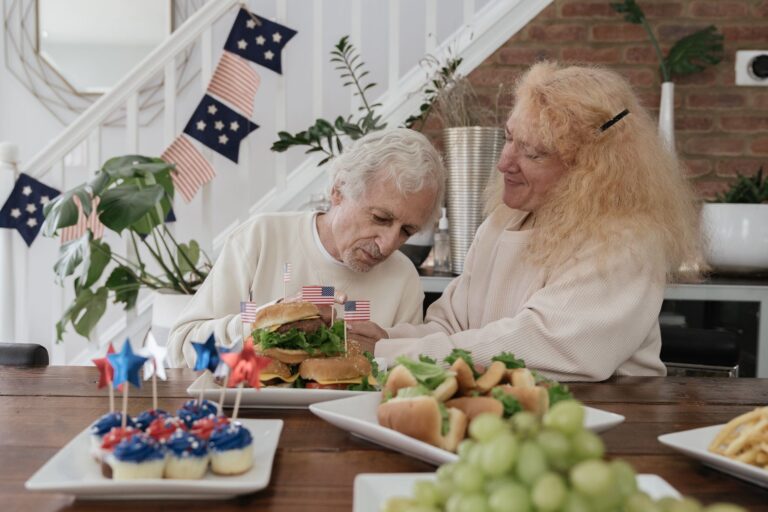
Leaving high-calorie foods freely accessible is a central mistake. Forgetful eating plus sweet-food cravings drives extra intake and weight gain. The Alzheimer Society of Canada recommends a different setup in its meal time guidance.
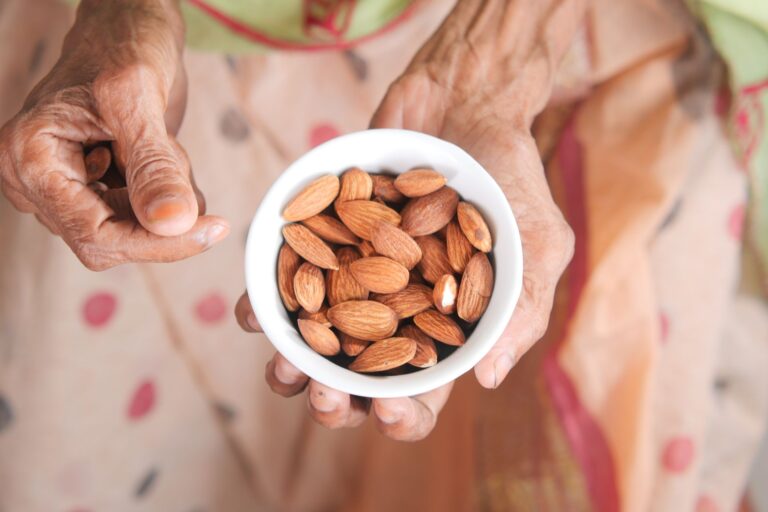
Keep fruit, vegetables, yogurt, or applesauce available for between-meal hunger. Offer frequent small meals on a predictable schedule. Remove cookie jars, candy dishes, and bulk snacks from counters and bedrooms.
Why do bans and scolding backfire?
Strictly withholding food or scolding for food-seeking raises conflict. It can provoke aggressive or distressed reactions. A peer-reviewed study in Clinical Interventions in Aging, published 23 May 2016, supports reassurance and substitutes over bans in its report on hyperphagia and memory training.
Stay calm, acknowledge the request, and restate the routine. Offer water, a walk, an activity, or a low-calorie food. Keep the response the same across caregivers and shifts.
How can fast eating turn dangerous?
Allowing rapid eating, large mouthfuls, or overstuffed cheeks lets food enter the airway. That can cause choking, chest infection, and aspiration pneumonia, especially with cognitive impairment. The Alzheimer Society of Canada directs caregivers to watch for overstuffing and cut food small.
Large portions, normal spoons, and no pacing cues worsen cramming. Cambridge University Hospitals NHS advises small cut-up food, a teaspoon, slow small bites, and a swallow check in its dietary information for carers. Sit nearby, prompt one bite at a time, and wait until the mouth is clear.
When does overeating not apply?
Hyperphagia is common but not universal. Clinical Interventions in Aging estimates prevalence at about 23%-51%, concentrated in middle-stage dementia, often with altered habits and pica.
Late-stage needs often move the other way, toward less food and closer swallowing monitoring, according to Alzheimer's Association late-stage caregiving. Ask the care team to review portions, textures, and supervision whenever appetite, weight, coughing, or stage changes.