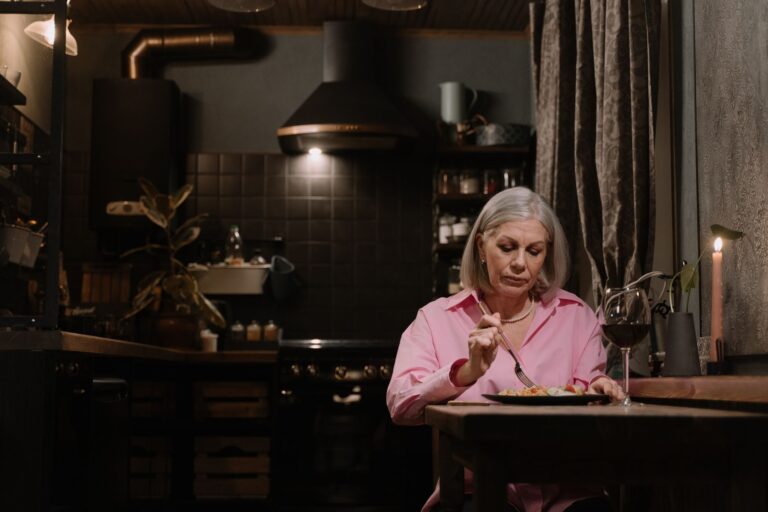
The most common mistakes are arguing about food, leaving extra portions within reach, cutting all food instead of swapping smarter options, and waiting too long to call the care team. These missteps increase choking, poisoning, rapid weight gain, and distress for everyone at home. Hyperphagia means uncontrollable overeating. In dementia home care it often reflects brain change, memory loss, or disinhibition rather than willpower or true hunger.
Medical information disclaimer: This article is for general educational purposes only and does not provide medical advice, diagnosis, or treatment. Always consult a physician or other qualified health professional about symptoms, medications, tests, or treatment decisions.
Table of Contents
- Why is this not ordinary hunger?
- Why does arguing backfire?
- How do accessible leftovers trigger overeating?
- What should you serve instead of restriction?
- When should you secure food and call for help?
- Why is this not ordinary hunger?
- Why does arguing backfire?
- How do accessible leftovers trigger overeating?
- What should you serve instead of restriction?
- When should you secure food and call for help?
Why is this not ordinary hunger?
In a 2016 study of 49 dementia patients versus 25 healthy controls, HelpDementia reports that marked hyperphagia appeared almost exclusively in behavioral-variant frontotemporal dementia compared with typical Alzheimer's disease. That pattern matters because families often assume constant requests mean the person needs more food.
The Association for Frontotemporal Degeneration describes hyperorality as compulsively tasting, chewing, or ingesting food and non-food items. Risks include choking, poisoning, and swallowing unsafe objects, not only weight gain. The Alzheimer's Association notes this guidance applies most strongly to frontotemporal dementia, so repeated requests may reflect memory loss, disinhibition, or swallowing problems that need clinical assessment.
Why does arguing backfire?
The Association for Frontotemporal Degeneration advises that caregivers worsen compulsive eating when they argue, raise their voice, or insist the behavior is wrong. Correction feels logical in the moment, but it raises tension without changing the brain drive to eat.
A safer response is changing the environment or routine and offering a diversion or meaningful activity. Try a short walk, folding laundry, music, or a simple chore. Keep your voice calm and redirect early before the kitchen becomes a battleground.
How do accessible leftovers trigger overeating?
Leaving full extra portions accessible after forgetfulness about eating is a common home-care mistake. Kent Community Health NHS Foundation Trust guidance recommends dividing the meal into two smaller portions, serving soup first, and offering large low-calorie salad or vegetables.
Serve one small plate at a time and store the rest out of sight. Keep serving dishes off the table and clear plates promptly. Small environmental edits prevent many second and third helpings.
What should you serve instead of restriction?
Alzheimer's Society UK explains that dementia often shifts tastes toward sweets and savory snacks as taste diminishes. Simply banning all food leads to conflict and sneaking, while the person still craves strong flavors.
Substitute lower-calorie versions and monitor weight, blood pressure, and cholesterol rather than restricting everything. Offer cut vegetables, fruit, broth-based soup, sugar-free drinks, or lighter sweet options first.
- Swap full-sugar desserts for smaller portions or lower-calorie versions
- Offer water, soup, salad, or vegetables before seconds
- Track weight weekly plus blood pressure and cholesterol as advised
- Keep sweets, chips, and non-food temptations out of sight
When should you secure food and call for help?
The National Institute on Aging advises supervising eating, limiting food choices, locking cabinets and the refrigerator, and distracting the person with other activities. Use locks for cabinets, the refrigerator, cleaning products, medicines, and trash.
The Association for Frontotemporal Degeneration advises contacting health care providers early about appetite changes, especially with rapid weight gain or loss, worsened diabetes, or eating of non-food items. Bring a short log of what was eaten, weight changes, and any choking or strange objects mouthed.
Why is this not ordinary hunger?
In a 2016 study of 49 dementia patients versus 25 healthy controls, HelpDementia reports in its study summary on compulsive eating that marked hyperphagia appeared almost exclusively in behavioral-variant frontotemporal dementia compared with typical Alzheimer's disease. That pattern matters because families often assume constant requests mean the person needs more food.
The Association for Frontotemporal Degeneration describes hyperorality as compulsively tasting, chewing, or ingesting food and non-food items. Risks include choking, poisoning, and swallowing unsafe objects, not only weight gain. The Alzheimer's Association notes this guidance applies most strongly to frontotemporal dementia, so repeated requests may reflect memory loss, disinhibition, or swallowing problems that need clinical assessment.
Why does arguing backfire?
The Association for Frontotemporal Degeneration advises in its guide to compulsive eating and oral behaviors that caregivers worsen compulsive eating when they argue, raise their voice, or insist the behavior is wrong. Correction feels logical in the moment, but it raises tension without changing the brain drive to eat.
A safer response is changing the environment or routine and offering a diversion or meaningful activity. Try a short walk, folding laundry, music, or a simple chore. Keep your voice calm and redirect early before the kitchen becomes a battleground.
How do accessible leftovers trigger overeating?
Leaving full extra portions accessible after forgetfulness about eating is a common home-care mistake. Kent Community Health NHS Foundation Trust guidance recommends dividing the meal into two smaller portions, serving soup first, and offering large low-calorie salad or vegetables.
Serve one small plate at a time and store the rest out of sight. Keep serving dishes off the table and clear plates promptly. Small environmental edits prevent many second and third helpings.
What should you serve instead of restriction?
Alzheimer's Society UK explains that dementia often shifts tastes toward sweets and savory snacks as taste diminishes. Simply banning all food leads to conflict and sneaking, while the person still craves strong flavors.
Substitute lower-calorie versions and monitor weight, blood pressure, and cholesterol rather than restricting everything. Offer cut vegetables, fruit, broth-based soup, sugar-free drinks, or lighter sweet options first.
- Swap full-sugar desserts for smaller portions or lower-calorie versions
- Offer water, soup, salad, or vegetables before seconds
- Track weight weekly plus blood pressure and cholesterol as advised
- Keep sweets, chips, and non-food temptations out of sight
When should you secure food and call for help?
The National Institute on Aging advises in its management guidance for frontotemporal disorders that families supervise eating, limit food choices, lock cabinets and the refrigerator, and distract the person with other activities. Use locks for cabinets, the refrigerator, cleaning products, medicines, and trash.
The Association for Frontotemporal Degeneration advises contacting health care providers early about appetite changes, especially with rapid weight gain or loss, worsened diabetes, or eating of non-food items. Bring a short log of what was eaten, weight changes, and any choking or strange objects mouthed.