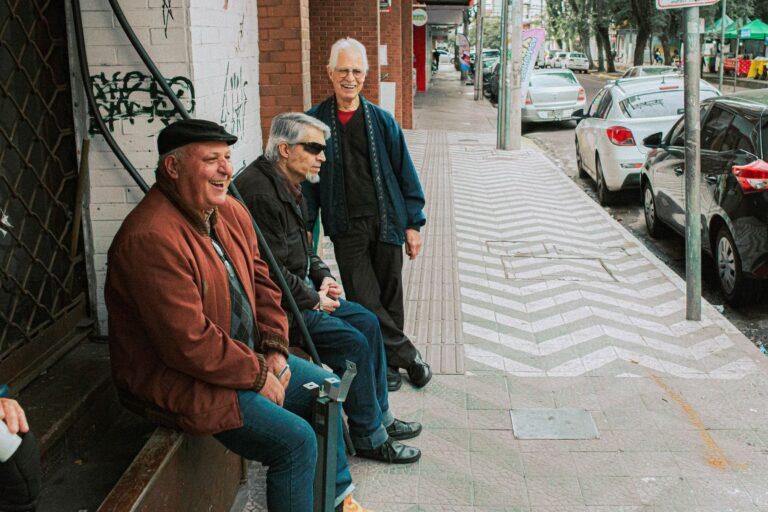
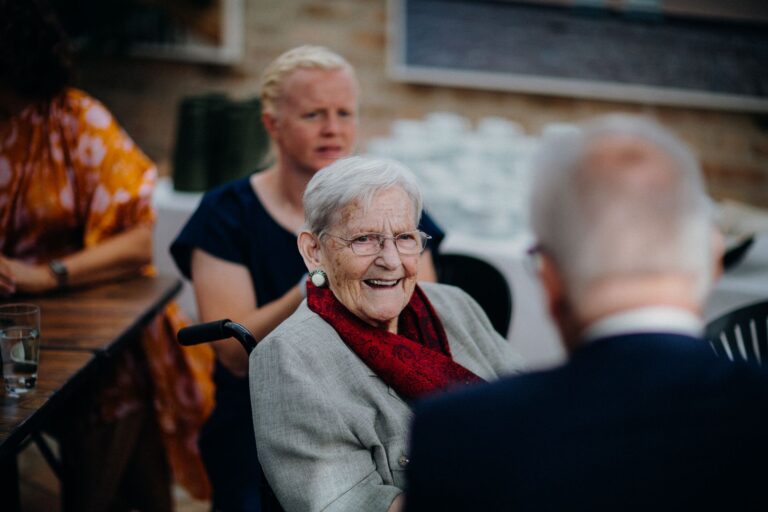
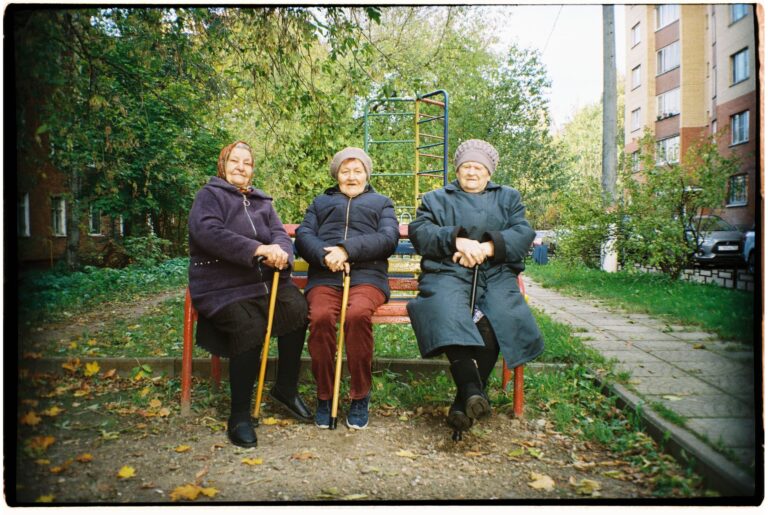
A realistic 2026 brain health plan puts social contact inside habits you already keep. You add people to walks, meals, classes, exercise, and mental challenge, plus steady diet and vascular care.
A multidomain routine means combining several small habits at once. According to the World Health Organization in WHO's July 2026 guidelines update, adults with normal cognition or mild impairment benefit from social engagement plus mental stimulation. That guidance pairs connection with exercise, diet, quitting tobacco, and drinking less alcohol.
Medical information disclaimer: This article is for general educational purposes only and does not provide medical advice, diagnosis, or treatment. Always consult a physician or other qualified health professional about symptoms, medications, tests, or treatment decisions.
Table of Contents
- Why does social connection matter for thinking?
- What does a doable week look like?
- How do you attach people to exercise, food, and learning?
- How do you start if you feel lonely or isolated?
Why does social connection matter for thinking?
Loneliness is distress when connection falls short of what you need. Isolation is having few contacts, whatever you feel about it. The National Institute on Aging links both to poorer thinking and higher dementia risk in its guidance on loneliness and isolation. The size of the opportunity is population-wide.
BrightFocus, summarizing the 2024 Lancet Commission, ties about 45% of dementia cases to 14 modifiable factors in its summary of the Lancet report. In that estimate, late-life isolation accounts for about 5% of population risk. These numbers do not decide any one person's future. They show where daily habits matter most. Connection earns a place next to movement, food, learning, and heart care.
What does a doable week look like?
Most people keep plans they enjoy with others. Fixed days beat vague intent. Anchor people to movement, learning, and meals. The Alzheimer's Association followed 2,111 adults ages 60-79 at elevated risk in its U.S. POINTER results summary. Both groups improved thinking over two years, with larger gains in the structured exercise, diet, training, and social group.
Its weekly target was 30-35 minutes of aerobic activity four times per week and brain training three times per week. It added social and intellectual activities, diet focus, and clinic checks for pressure, weight, and labs. Translate that target into people time. Keep each contact brief and repeat it weekly. You meet the target while you meet people. No extra hours are needed. The routine sticks because others expect you.
- Walk 30 minutes with a neighbor, friend, or group on four fixed days.
- Do brain games or a class twice on your own and once with others.
- Eat one MIND-style meal with family or friends and track clinic numbers as advised.
How do you attach people to exercise, food, and learning?
Pair movement with company first. Join a walking group, dance class, or gym buddy slot. You get aerobic minutes and conversation at once. Pair food and learning the same way.
Cook and eat with others once or twice weekly. Take a course, volunteer shift, or library group that makes you think and talk. Keep the dose small and steady. Brief contact inside existing habits beats occasional big events. Socializing alone does not carry the plan; the bundle does.
How do you start if you feel lonely or isolated?
Start with one gap, not a full social life. Name the missing piece: daily chat, weekly outing, or help with rides. Tell one person you want brief, regular contact. Make it automatic.
Put one group walk and one shared meal on next week's calendar. Ask a center, clinic, faith group, or volunteer desk about welcoming options. Population links do not promise personal prevention. They point to habits worth keeping. Add the next contact today, then repeat it next week.