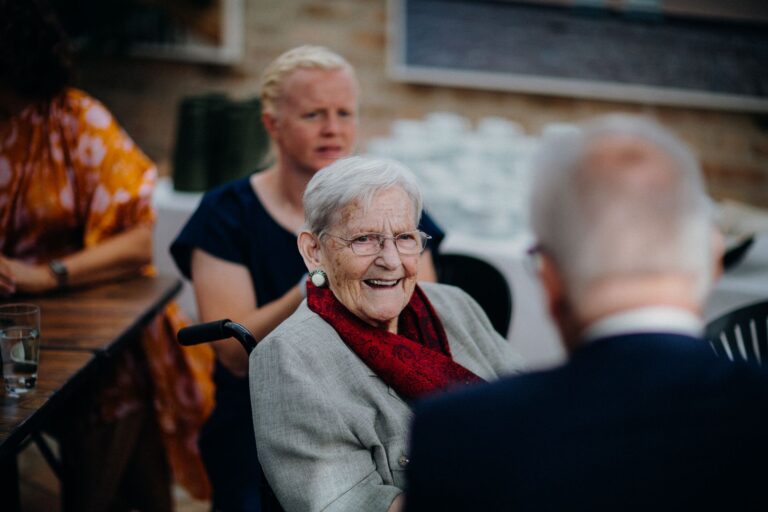
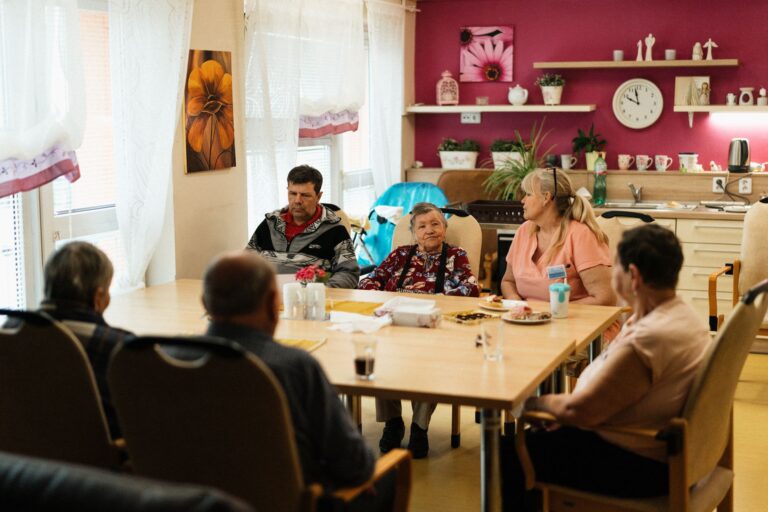
Building social connection into a realistic dementia prevention routine after 65 means scheduling regular, meaningful contact alongside movement and learning. A steady week can pair brief check-ins with shared walks, meals, volunteering, and practice of a new skill.
Social isolation means having little contact with other people. Loneliness means feeling disconnected even when others are present. Both patterns matter for older adults because they are linked to poorer thinking and higher dementia risk.
Medical information disclaimer: This article is for general educational purposes only and does not provide medical advice, diagnosis, or treatment. Always consult a physician or other qualified health professional about symptoms, medications, tests, or treatment decisions.
Table of Contents
- Why does connection matter after 65?
- What counts as meaningful contact?
- How can you pair connection with movement and learning?
- What limits should you expect?
Why does connection matter after 65?
A large meta-analysis of 21 long-term studies with 608,561 participants linked loneliness to higher risk of dementia, including 31 percent higher risk of any dementia and 39 percent higher risk of Alzheimer's disease, according to Being Patient reporting on the Florida State University study in Nature Mental Health summary of the Florida State University study. The same analysis linked loneliness to higher vascular dementia and cognitive impairment, independent of depression.
Late-life social isolation is also one of 14 modifiable factors tied to about 45 percent of global dementia cases, according to the BrightFocus Foundation summary of the 2024 Lancet Commission led by Livingston and colleagues summary of the 2024 Lancet Commission. That summary places the relative risk for late-life isolation at 1.6, with about 5 percent of cases linked to it across the population.
What counts as meaningful contact?
Meaningful contact means interaction that holds attention and builds familiarity. The Alzheimer's Association points to time with friends and family, volunteering, and community activity as useful forms of social contact 10 Healthy Habits for Your Brain. A regular coffee, faith gathering, club, class, or volunteer shift can qualify when it happens often enough to build trust.
Brief, pleasant exchanges help, but routine matters more than occasional events. Choose one or two anchors, such as a Tuesday walk or a Sunday call. Add a second layer for variety, such as a monthly meal or group outing. Keep the circle small enough to maintain.
How can you pair connection with movement and learning?
Health groups recommend combining social time with activity that raises heart rate and practice that challenges the mind. Walking with a friend, dancing in a group, and gardening with a neighbor combine movement and company. Learning a language, instrument, recipe, or card game with others adds mental challenge.
A simple weekly pattern can look like this: Start with amounts that fit energy, joints, sleep, and caregiving duties. If a week feels full, shorten the time but keep the appointment. Consistency supports habit more than length supports memory.
- walk with a friend or group for about 20 minutes most days
- share one meal, call, volunteer shift, or club meeting each week
- practice one new skill with another person for 30 minutes twice weekly
- protect hearing and vision so conversation stays easier to follow
What limits should you expect?
Social habits are linked to lower risk, not promised prevention. The National Institute on Aging cautions that researchers cannot yet say for certain that positive lifestyle changes prevent dementia explanation of Alzheimer's causes and risk factors. Treat connection as risk reduction alongside blood-pressure care, hearing care, sleep, exercise, and cognitive activity.
Setbacks are normal after illness, moves, bereavement, or retirement. Review the routine each month and replace one dropped contact with a low-effort option. If loneliness, low mood, memory concerns, or hearing loss persist, bring them to primary care promptly.