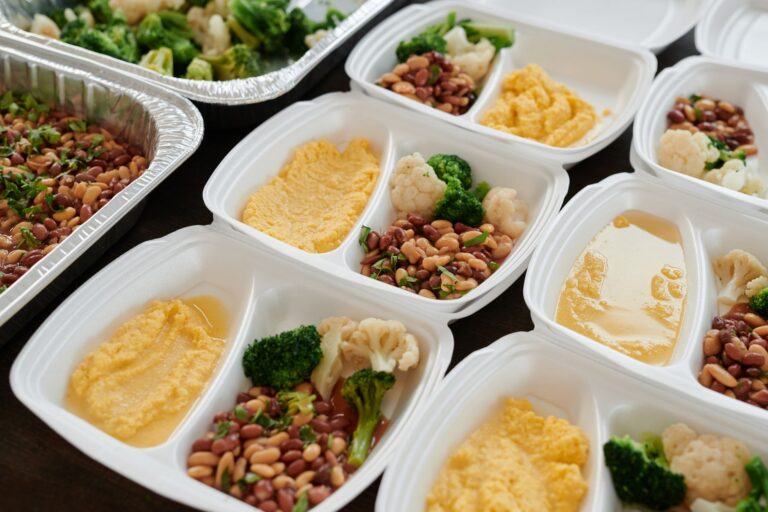
Meal delivery for dementia families eases cooking and missed meals during heavy caregiver strain, but contract terms decide if it helps or adds cost. Check public meal benefits and Medicare limits first, then read cancellation, refund, and cutoff rules for red flags.
A negative-option plan is a subscription that keeps charging until you cancel it. Strain is widespread: the Alzheimer's Association reports nearly 12 million Americans gave over 19 billion hours of unpaid dementia care in 2024, valued at over $413 billion, in its November caregiver awareness update. That load makes clear terms and simple exit paths matter.
Medical information disclaimer: This article is for general educational purposes only and does not provide medical advice, diagnosis, or treatment. Always consult a physician or other qualified health professional about symptoms, medications, tests, or treatment decisions.
Table of Contents
- Which low-cost meals can you try first?
- Will Medicare pay for delivered meals?
- What must online subscription terms spell out?
- Which red flags should stop you from signing?
- When is a standard meal unsafe?
Which low-cost meals can you try first?
The Older Americans Act Title III-C funds congregate and home-delivered meals for adults 60 and older, spouses, and certain others, says the Administration for Community Living. Each meal must supply at least one-third of Dietary Reference Intakes. That rule sets a nutrition floor for public meals.
Contact your local Area Agency on Aging to ask about eligibility, wait lists, delivery days, and menus. Ask if the program screens for chewing, swallowing, allergies, diabetes, kidney disease, and drug-food clashes. Use that answer to decide if a private plan is still needed.
Will Medicare pay for delivered meals?
Original Medicare does not pay for long-term custodial supports including home-delivered meals, adult-day care, and personal-care help, says Medicare on its long-term care coverage page. Families pay those costs unless Medicaid or private insurance applies. Do not sign a meal contract expecting Medicare reimbursement.
Medicare's GUIDE dementia model offers a different kind of help for eligible beneficiaries. The Centers for Medicare and Medicaid Services says GUIDE gives a care navigator plus 24-hour access and links families to community meals, transport, and respite. Ask a navigator or clinic social worker what meal supports exist near you.
What must online subscription terms spell out?
Federal law under ROSCA bars online negative-option charges unless the seller clearly discloses material terms, gets express informed consent, and offers a simple way to stop recurring charges, according to Goodwin in its analysis of FTC enforcement. Look for price per meal, delivery and service fees, renewal date, minimum commitment, and cancel steps on the checkout page. Save that page before you pay.
The FTC's broader 2024 click-to-cancel rule was vacated in full by the Eighth Circuit on July 8, 2025, according to Foley and Lardner. Families cannot rely on it and must use ROSCA plus state auto-renewal laws. That makes the seller's own written terms the key proof.
- Price, fees, meals per delivery, and renewal interval
- How to cancel, where to click, and when it takes effect
- Cutoff time for pausing, skipping, or changing an order
- Refunds, credits, missed deliveries, and who pays return shipping
Which red flags should stop you from signing?
Mom's Meals' official terms let Subscribe and Save customers cancel or modify anytime, but prior charges are generally nonrefundable and missed cutoff deadlines keep generating charges, in the Website Terms and Conditions. Calendar every cutoff in two places. A plan that hides cutoffs, fees, or cancel links carries the same risk. Pause when consent language is vague, pre-checked, or buried below the pay button.
Pause when support requires phone-only cancel, chat-only cancel, long holds, or mailed notice. Pause when reviews cite surprise renewals, denied refunds, or meals sent after cancel requests. Put the cancel link, cutoff time, and order confirmation in one folder. Set a phone reminder two days before each cutoff while caregiving duties compete for attention.
- No clear cancel button, address, or phone path in terms
- Nonrefundable advance charges plus short or shifting cutoffs
- Free-trial language that converts without a reminder date
- Terms that let the seller change price or quantity without clear notice
When is a standard meal unsafe?
Stroke and dementia commonly cause dysphagia with aspiration-pneumonia and nutrition risk, says a Pharmerica clinical brief. Standard textures, large pieces, thin liquids, or high-sodium menus may be unsafe without change. Do not assume regular delivery fits a person who coughs, pockets food, loses weight, or gets frequent chest infections.
Ask the clinician if texture-modified, chopped, pureed, or medically tailored meals are needed. Share the delivery menu, nutrition label, and ingredient list at the visit. Stop standard orders until swallowing, allergies, and nutrient needs are reviewed.