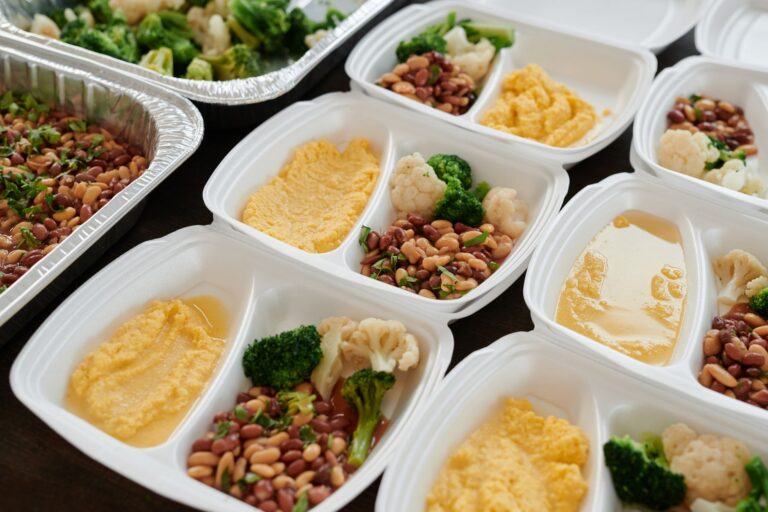
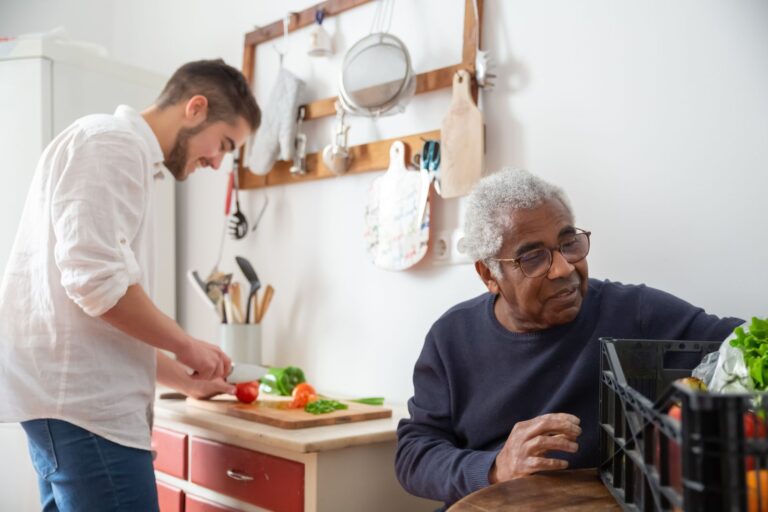
Home-delivered meals give families living far away food support plus staffing checks, safe handling, and daily contact. Home-delivered meals are prepared meals brought to older adults who cannot easily shop or cook.
The best setup pairs a nutrition-regulated program, screened drivers, and dementia-safe foods with firm delivery windows. Distance makes small problems harder to spot. A missed drop, spoiled food, or new confusion needs a local response plan before the first order.
Medical information disclaimer: This article is for general educational purposes only and does not provide medical advice, diagnosis, or treatment. Always consult a physician or other qualified health professional about symptoms, medications, tests, or treatment decisions.
Table of Contents
- Who qualifies and what do meals cover?
- How are drivers and visitors screened?
- Which foods work better for dementia?
- What quality checks can distant family run?
Who qualifies and what do meals cover?
Adults age 60 and older who are frail, homebound by illness or disability, or otherwise isolated can qualify for Older Americans Act home-delivered meals. The Administration for Community Living states that eligibility is set locally and age is the only federal criterion, in its nutrition services overview. The same source states that Title III-C meals must follow the Dietary Guidelines for Americans.
When one meal per day is provided, it must supply at least one-third of Dietary Reference Intakes. HHS guidance summarizing federal rules notes Original Medicare does not cover routine meal delivery. Medicare Advantage may cover short post-hospital meals or ongoing food support as a chronic-illness benefit only when it maintains health or function.
How are drivers and visitors screened?
Staffing is a safety decision for dementia households that admit strangers. Meals on Wheels South Texas, as one local example, requires volunteers with unsupervised client contact to pass four checks for criminal history, sex-offender registry, Medicare fraud, and state employability status, plus a driving-record check for drivers. Ask any provider what it requires, who pays for checks, and how often they repeat.
Get the driver routine in writing, including photo ID, knock procedure, and what happens after an unanswered door. Nearly all home-delivered programs train drivers to monitor well-being, according to Meals on Wheels America in its 2025 provider benchmarking report. Each drop then works as a safety and social-contact check that can flag a fall, confusion, or sudden decline for family far away.
Which foods work better for dementia?
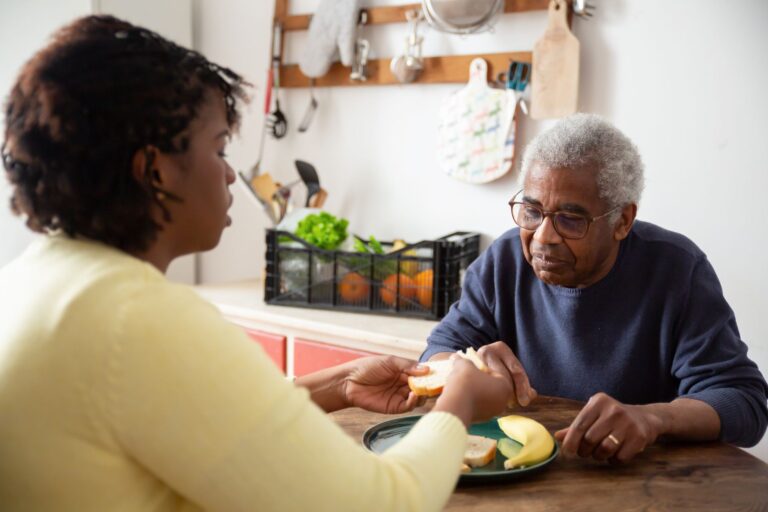
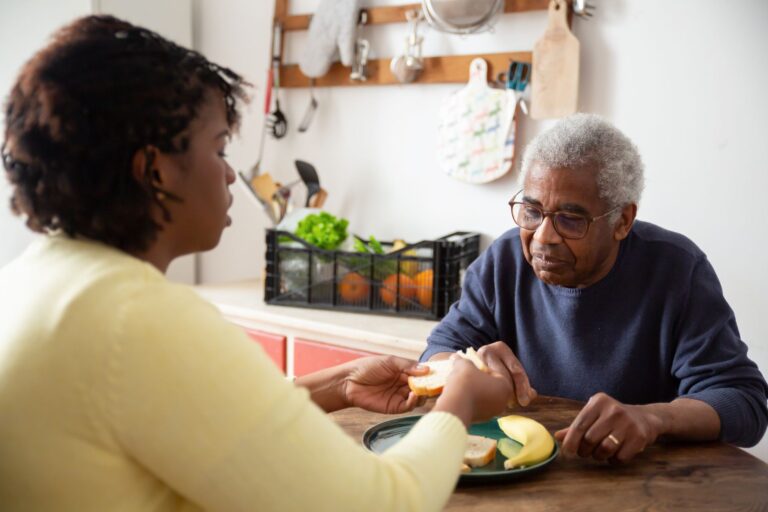
Middle- to late-stage dementia changes chewing, swallowing, focus, and hand control. The Alzheimer's Association advises serving one food at a time in its Food and Eating guidance. That source recommends finger foods and soft foods such as applesauce, cottage cheese, and scrambled eggs.
It warns against hard-to-chew foods that can cause choking, including nuts, popcorn, and raw carrots. Tell the program about chewing problems, pocketing food, allergies, diabetes needs, and utensil trouble. Ask for soft textures, small portions, easy-open containers, and clear labels with contents and date.
What quality checks can distant family run?
Heat and time control matter most for delivered food. The USDA Food Safety and Inspection Service states perishable food must not stay between 40°F and 140°F for more than 2 hours, or more than 1 hour above 90°F, because bacteria can double in as little as 20 minutes, in its mail-order food safety page.
The FDA's 2022 Food Code, the model for retail food protection, sets cold holding at 41°F or below and hot holding at 135°F or above. Use those limits to judge packaging, coolers, and reheating directions.
- Confirm insulated packaging, ice packs or hot packs, and a two-hour delivery window.
- Ask for arrival text alerts, a backup key-holder, and a rule against leaving food at the door.
- Keep a fridge thermometer, a simple reheat card, and a weekly check-in with a neighbor.
- Track missed meals, cold food, stomach illness, weight loss, and more leftovers than usual.