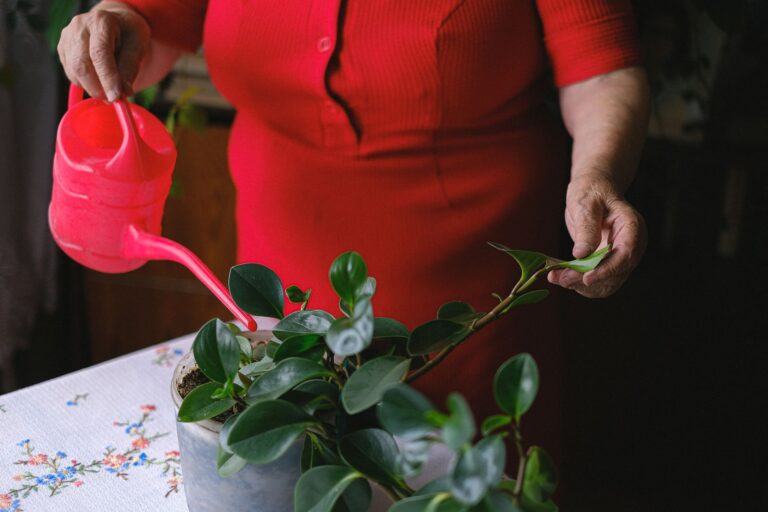
Simplify indoor gardening for memory-care groups by working seated side by side at a clear table with small, contained tasks. Give each person one simple job, use trays and small cups for soil, and skip sharp tools.
Memory-care groups are small supervised groups for people living with memory loss. A pilot study by Lee and Kim reported improved sleep, agitation, and cognition scores after indoor gardening. A wider review of garden programs also linked participation to better mood, engagement, and behavior.
Medical information disclaimer: This article is for general educational purposes only and does not provide medical advice, diagnosis, or treatment. Always consult a physician or other qualified health professional about symptoms, medications, tests, or treatment decisions.
Table of Contents
- What can short sessions do?
- How do you set up a calm table?
- Which plants and light work best?
- How do you match tasks to ability?
What can short sessions do?
Seated plant care can fit group life. The dementia pilot supports short seated sessions for memory-care groups. Each person handles one plant, one watering cup, or one tray.
The pattern appears in larger evidence too. A systematic review by Murroni and colleagues found 14 of 16 studies reported significant benefits, especially for behavior, engagement, agitation, mood, stress, falls, cognition, and quality of life, described in the review of garden and horticultural therapy studies. Treat these gains as promising rather than proven treatment because the pilot studies were small and call for larger randomized trials.
How do you set up a calm table?
Keep the work area clear, stable, and contained. The Alzheimer's Foundation of America recommends working side by side at a clear table, holding soil and water in cafeteria-style trays, moving soil in small cups, and avoiding sharp tools or materials, described in the foundation's gardening activity guide.
Set each place before residents sit down. Use this simple layout for every session.
- Place one tray, one small plant or pot, and one cup of soil mix per person
- Keep water in small cups and towels within reach
- Remove scissors, knives, and extra clutter from the table
- Seat everyone first, then bring soil and water to the table
Which plants and light work best?
Choose plants that forgive missed watering and pose little harm if touched. Good options include spider plant, parlour palm, African violet, Boston fern, and kitchen herbs. Avoid toxic, irritating, or sharp specimens to reduce poisoning and frustration risk.
Give herbs maximum direct light when possible. Iowa State University Extension advises about eight hours daily from a south, east, or west window, drained pots sized to the plant, and letting soil dry between waterings, explained in the extension guide to indoor herbs. For leafy greens and herbs in dim rooms, add supplemental light and water only when the upper mix feels dry.
How do you match tasks to ability?
Assign one task that fits present energy and hand strength. The U.S. National Institute on Aging lists indoor-plant care, planting flowers or vegetables, watering when needed, and talking about growth as adaptable activities.
Let people choose touching soil, patting mix, watering, wiping leaves, or simply watching and talking. Keep tabletop containers and lightweight tools with comfortable grips within easy reach. Keep work seated to reduce bending, kneeling, back strain, and fall risk, and use raised beds about 24 to 30 inches high when gardening outdoors.