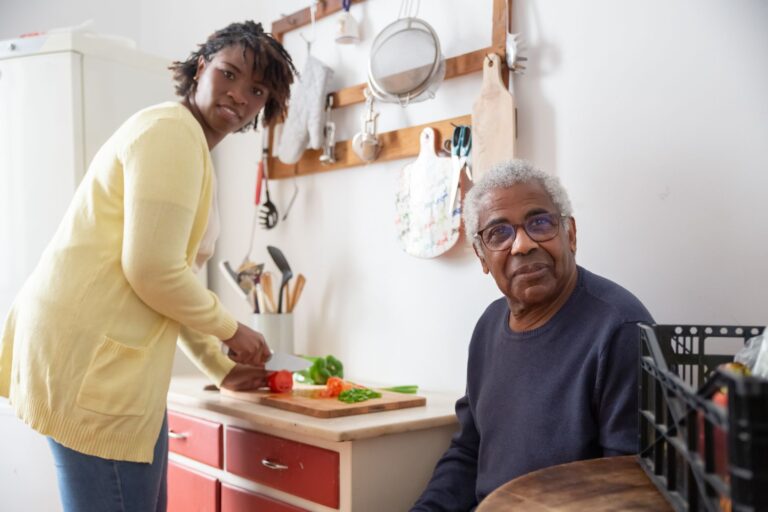
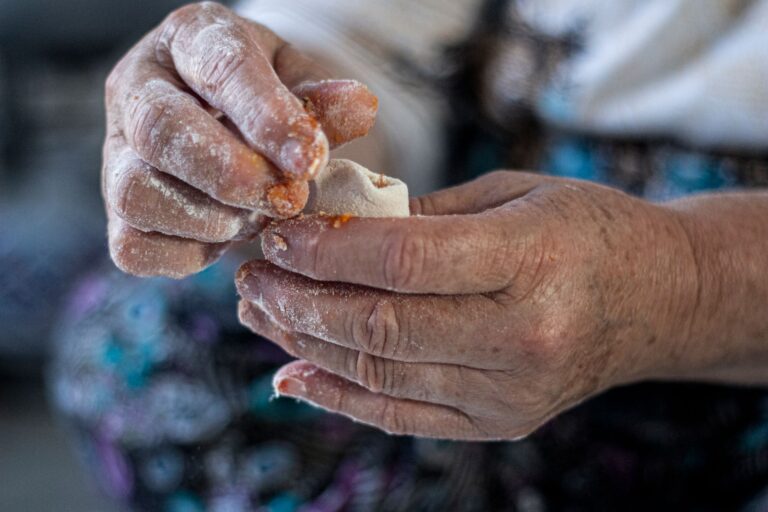
Simplify no-cook preparation for one-on-one dementia care by assembling bite-size finger foods that need no utensils and serving one or two choices in a quiet spot. Offer small, frequent meals and calorie-rich snacks through the day, and make each dish easy to see and safe to swallow.
In this setting, one-on-one dementia care means one caregiver guides one person through eating. Finger foods are small pieces eaten by hand, without a fork or knife. This approach preserves independence while reducing choices, mess, and waiting.
Medical information disclaimer: This article is for general educational purposes only and does not provide medical advice, diagnosis, or treatment. Always consult a physician or other qualified health professional about symptoms, medications, tests, or treatment decisions.
Table of Contents
- What can you serve without cooking?
- How should you set up mealtime?
- How do you support weight and comfort?
- How do you keep no-cook food safe?
- When is finger food not the right choice?
What can you serve without cooking?
Keep a short rotation of familiar foods the person likes and can chew. The Alzheimer's Association recommends bite-size options such as chicken nuggets, fish sticks, tuna sandwiches, cheese cubes, orange segments, and steamed broccoli or cauliflower pieces in its guide to food and eating. Cut sandwiches into strips and fruit into small segments. Peel and seed pieces that could cause trouble.
For weak chewing, choose soft no-cook foods. The National Institute on Aging points to yogurt, applesauce, mashed avocado, and bananas. Pair a protein with fruit or vegetable at each snack. Offer water or low-fat milk rather than a sugary drink.
- cheese cubes and tuna sandwich strips
- orange segments and banana slices
- yogurt, applesauce, and mashed avocado
How should you set up mealtime?
Serve food in a calm place away from the TV. The Alzheimer's Association personal care brochure advises offering only one or two foods at a time, such as mashed potatoes followed by the main entree, in its personal care guide. Clear the table of extra items. Sit at eye level and allow unhurried time.
Make food visible against the table. The Alzheimer's Association advises white plates or bowls on a contrasting-color placemat, without patterned dishes or tablecloths. Use a bowl or rimmed plate when scooping is hard. Set out only the needed utensil, such as a large-handle spoon.
How do you support weight and comfort?
Offer smaller meals more often, plus calorie-rich snacks between meals. The National Institute on Aging recommends this pattern for maintaining weight, with familiar vegetables, fruits, whole grains, and liked foods that are easy to chew, in its tips for helping people with Alzheimer's eat well. Keep portions small so the plate does not overwhelm. Repeat favored snacks rather than forcing variety.
Watch each bite from start to finish. The National Institute on Aging advises allowing extra time and confirming each bite is swallowed, because food can pocket in cheeks. Stay seated together during snacking. Pause and prompt gently when chewing slows.
How do you keep no-cook food safe?
Treat assembly like cooking for safety. Michigan State University Extension advises following clean-separate-cook-chill, keeping perishable foods out of the 40°F–140°F danger zone, and using USDA MyPlate variety. Wash hands, fruit, and vegetables first. Refrigerate perishables promptly and discard food left out too long.
Avoid the highest-risk ready-to-eat items for adults 65 and older. FoodSafety.gov warns that this group faces higher hospitalization risk from foodborne illness and advises avoiding raw sprouts and unpasteurized milk or juice, plus reheating deli meats and hot dogs to 165°F or steaming hot, in its people at higher risk guidance. Check dates on yogurt, cheese, and deli meat. When in doubt, throw it out.
When is finger food not the right choice?
Late-stage dementia can bring dysphagia, which means difficulty swallowing. Grazing on finger foods does not fit everyone at this stage. Some people need soft, pureed, or thickened fluids and upright positioning during meals.
I Advance Senior Care notes that safe care may require clinician or speech-language evaluation for swallowing. Stop finger-food snacks if coughing, pocketing, or refusal increases. Ask the care team for a swallowing evaluation before changing textures.