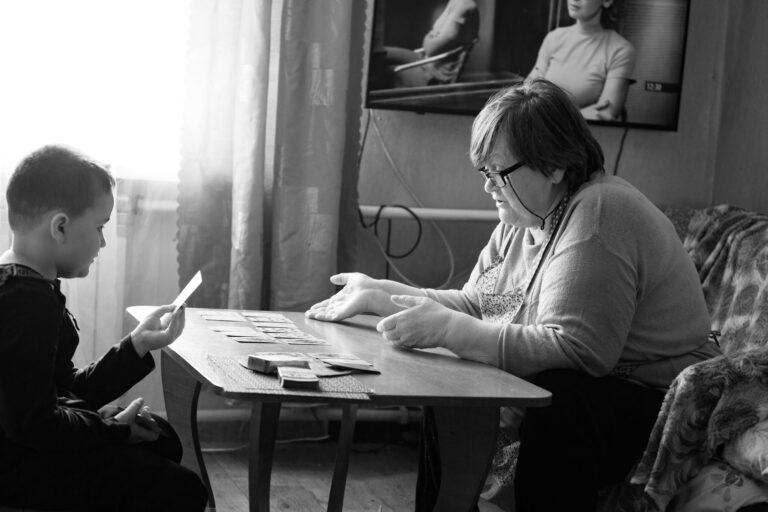
Sundowning is increased confusion, anxiety, agitation, pacing and trouble sleeping from dusk through night in people with Alzheimer's or other dementia. Researchers link it to brain changes that disrupt the sleep-wake cycle, and steady routines, daylight and calm evenings can ease it. According to the Alzheimer's Association, sundowning is a symptom cluster, not a separate disease, described in Alzheimer's Association guidance on sleep issues and sundowning.
About 20% of people diagnosed with Alzheimer's disease experience sundowning, according to the Cleveland Clinic in its Cleveland Clinic overview of sundown syndrome. Episodes often bring late-day confusion, anxiety and agitation. Poor nights often follow difficult evenings.
Medical information disclaimer: This article is for general educational purposes only and does not provide medical advice, diagnosis, or treatment. Always consult a physician or other qualified health professional about symptoms, medications, tests, or treatment decisions.
Table of Contents
- Why does the brain lose track of evening?
- What makes late-day symptoms worse?
- How does a steady routine help?
- Can light and a calm room reduce fear?
- What evening habits support sleep?
- When should you call the doctor?
Why does the brain lose track of evening?
Dementia damages areas that control memory, mood and the internal sleep-wake clock. That clock tells the body when to feel alert and when to feel sleepy. When it slips, dusk can trigger confusion instead of rest.
Disease progression makes the signal weaker over time. The person may mistake evening shadows for people or threats. Fatigue then lowers the ability to cope.
What makes late-day symptoms worse?
End-of-day mental and physical exhaustion often sets the stage. Hunger, thirst, pain and depression add strain. Boredom and unfamiliar surroundings add stress.
Low light plays a direct role. Dim rooms and shadows cause visual misinterpretation and fear. Noise, clutter and too many visitors add overstimulation.
How does a steady routine help?
A predictable day for waking, meals, bathing and activity lowers late-day demands. Schedule appointments, trips and bathing in the morning or early afternoon when alertness is higher.
Save evenings for quiet, familiar activities. Try these daytime anchors: According to the National Institute on Aging, these steady habits reduce agitation, as explained in National Institute on Aging advice on coping with agitation and sundowning.
- Wake, eat and move at the same times daily
- Plan outings and baths before mid-afternoon
- Offer a short rest instead of a long nap
- Keep favorite objects and seats in the same place
Can light and a calm room reduce fear?
Daylight helps reset the sleep-wake cycle. Increase bright-light and outdoor exposure during the day. Let in natural light, keep the home well lit in the evening and close curtains at dusk.
Cut shadows and noise before sunset. Turn on lamps in hallways, bedrooms and bathrooms. Reduce background TV, clutter and foot traffic. A familiar blanket, photo or chair can add safety cues.
What evening habits support sleep?
Limit daytime naps and keep nights consistent. Avoid caffeine after lunch and avoid alcohol. Use soft music, dim warm light and low stimulation after dinner.
Distract rather than argue during agitation. Offer a snack, drink, walk or simple task. A hand massage, familiar show or folding towels can shift attention.
When should you call the doctor?
Seek a medical exam if sundowning persists or suddenly worsens. Ask the clinician to check for pain, infection, sleep disorder or medication side effects. Review drug timing with the physician, since dose time can affect alertness.
Discuss all sleep options before starting them. Some research suggests low-dose melatonin may ease sundowning. Bring a log of sleep, naps, meals and evening behaviors to the visit.