The best Thanksgiving activities for a loved one with dementia are simple, familiar, and failure-free. Helping with safe kitchen jobs, singing old holiday songs, looking at family photos, and making easy crafts keep them included without pressure. Dementia means ongoing loss of memory, thinking, and daily living skills. The right activity matches what the person can still do today and keeps the day calm and predictable.
Medical information disclaimer: This article is for general educational purposes only and does not provide medical advice, diagnosis, or treatment. Always consult a physician or other qualified health professional about symptoms, medications, tests, or treatment decisions.
Table of Contents
- What simple jobs keep them involved?
- Which calm activities spark connection?
- Should you celebrate earlier in the day?
- How should you set up guests and space?
- What crafts and flexibility help the day succeed?
What simple jobs keep them involved?
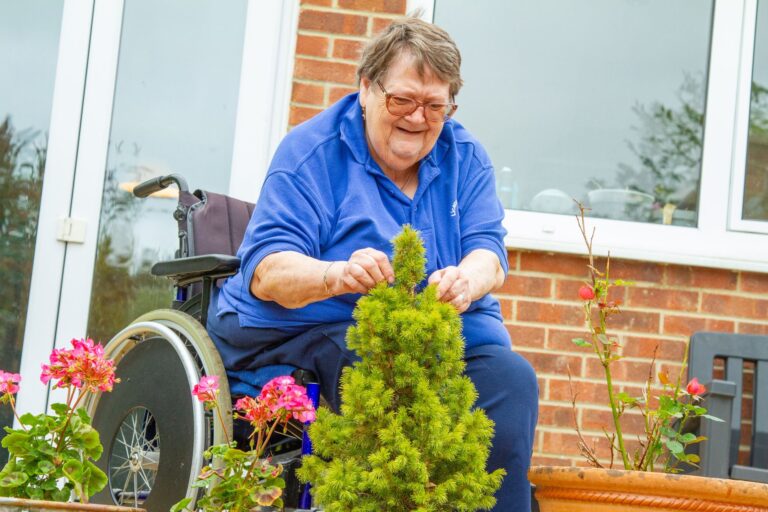
Invite them to fold napkins, stir batter, set the table, or choose music. The Alzheimer's Association says these small roles preserve participation and dignity in its holiday hosting guidance.
Offer one step at a time and work beside them. Keep tools safe, unbreakable, and easy to hold.
- Ask: "Would you like to fold napkins or pick the music?"
- Show the step, then do it together.
- Thank them for the help they gave.
Which calm activities spark connection?
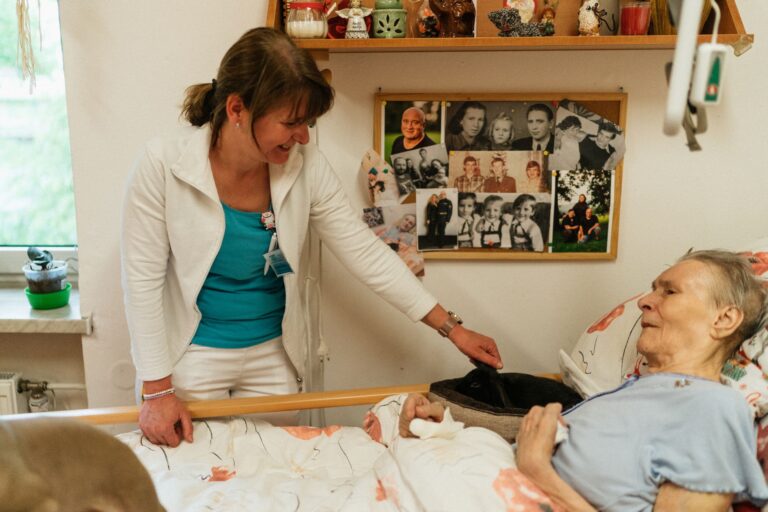
Sing familiar old holiday songs, watch a favorite seasonal movie, or look through a family photo album together. The Alzheimer's Association describes these shared rituals as comforting and connecting.
Take turns naming people in photos or humming along. Follow their lead if they want to watch, listen, or just sit close. Short, relaxed time together often means more than a long planned event.
Should you celebrate earlier in the day?
Yes. A Thanksgiving lunch or daytime gathering often works better than a late dinner. The Alzheimer's Foundation of America explains that confusion and agitation often worsen in late afternoon and evening, called sundowning, in its tips for a dementia-friendly Thanksgiving.
Keep their normal mealtimes, naps, and rest periods when you can. The Foundation, shared through Caregiver.com, says a predictable routine limits anxiety and confusion. Plan the most social time for their best hours and leave evening for rest.
How should you set up guests and space?
Keep the gathering small, familiar, well-lit, and lower-noise. Penn State Extension recommends this calm setup, plus a quiet room for rest, to reduce overload in its guide to dementia-friendly celebrations.
Prepare them for visitors with photos of expected guests, shared stories, or a brief phone or video chat. The Alzheimer's Foundation of America, shared through Caregiver.com, also advises briefing guests on clear, slow communication. Greet one or two visitors at a time rather than a crowded hello at the door.
What crafts and flexibility help the day succeed?
Try decorating small pumpkins, making handprint turkeys, or adding leaves to a gratitude tree. Bethesda Health Group says these simple crafts support memory, dexterity, and movement while keeping everyone entertained.
Match every activity to current strengths and keep it failure-free. The National Institute on Aging advises caregivers to adapt activities this way in its guidance on adapting activities. If frustration appears, simplify the step, switch activities, or pause for a quiet break.