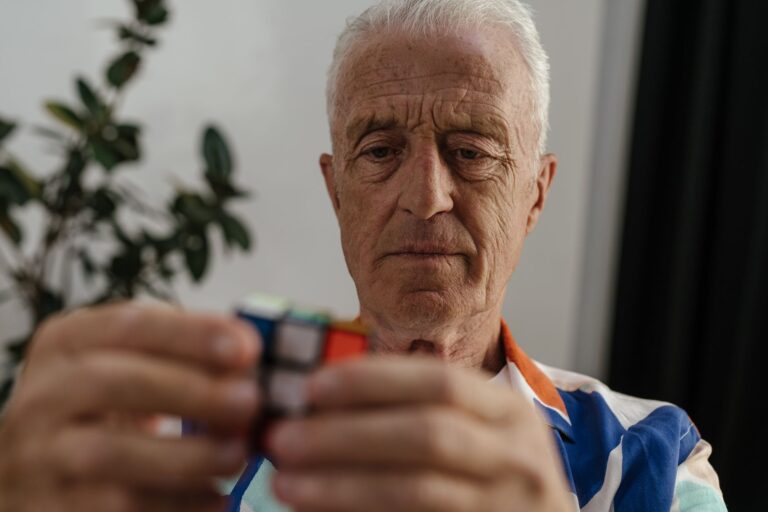
Offer no-cook food preparation every day in middle-stage dementia, usually as five or six small meals and snacks rather than three large meals. Start the switch when utensil use fails, attention shortens, or pacing and safety worries make sit-down cooking risky.
No-cook food preparation means ready-to-eat foods that need no stove or oven, such as sandwiches, cheese cubes, and cut fruit. The Alzheimer's Association ties eating problems to distraction, extra choices, and changed taste and smell in its food and eating guide. A steady routine helps the person recognize mealtimes and eat more independently.
Medical information disclaimer: This article is for general educational purposes only and does not provide medical advice, diagnosis, or treatment. Always consult a physician or other qualified health professional about symptoms, medications, tests, or treatment decisions.
Table of Contents
- Why do meals get harder in the middle stage?
- Which signs call for no-cook foods?
- How often should you offer food?
- What foods work best without cooking?
- How do you keep no-cook meals safe?
Why do meals get harder in the middle stage?
Focus drops fast during meals. Noise, movement, or a full table can pull attention away. Familiar dishes may look, smell, or taste different now.
Memory and judgment fade as well. Meal steps get missed and hot stoves bring burns. The Alzheimer Society of Canada flags these safety risks with daily cooking.
Which signs call for no-cook foods?
Shift to no-cook foods when independent eating starts to slip. Utensils cause more spills than bites. Sitting through a full plate feels too long.
Offer handheld options each day when you see: The Family Caregiver Alliance advises finger foods when utensils fail or focus shortens. Examples include sandwiches, cheese cubes, and cut produce in its feeding and nutrition guide. Royal Free London NHS adds that hold-and-go foods help when pacing blocks table sitting.
- fork or spoon goes unused or food drops often
- person leaves the table after a few bites
- pacing, worry, or restlessness blocks sitting still
- stove knobs, timers, or recipe steps cause confusion
How often should you offer food?
Serve five or six small meals and snacks daily, not three large plates. Keep times and places the same each day. Routine lowers missed meals and mealtime stress. The Family Caregiver Alliance advises five or six set meals and snacks in the same spots daily, explained in its guide to dementia behaviors.
Sirona Care and Health supports mid-morning, mid-afternoon, and evening nourishing snacks plus fluids over one large plate. Offer breakfast, mid-morning snack, lunch, mid-afternoon snack, dinner, and an evening bite. Drink water each time. Watch intake without pressure.
What foods work best without cooking?
Pick foods eaten by hand in a few bites. Soft items reduce effort and mess. Keep portions small so the plate feels manageable.
Use sandwiches, cheese cubes, cut fruits and vegetables, sausage rolls, chips, fish fingers, or fruit pieces. Royal Free London NHS lists these hold-and-go options for pacing and extra energy use. Add fish sticks or chicken nuggets for protein and grip. Rotate choices to keep taste and interest up.
How do you keep no-cook meals safe?
Remove stove risk by serving pre-cooked or no-cook plates. Use reminders, alarms, and timers if the person still helps. The Alzheimer Society of Canada links these tools to fewer burns. Make texture safe as chewing and swallowing change.
Cut food small, moisten dry bites, and watch for coughing. Sirona Care and Health urges GP referral to speech and language therapy for choking, pocketing, or swallowing trouble. Stay nearby during snacks. Offer fluids often but stop and seek help at first choking sign.