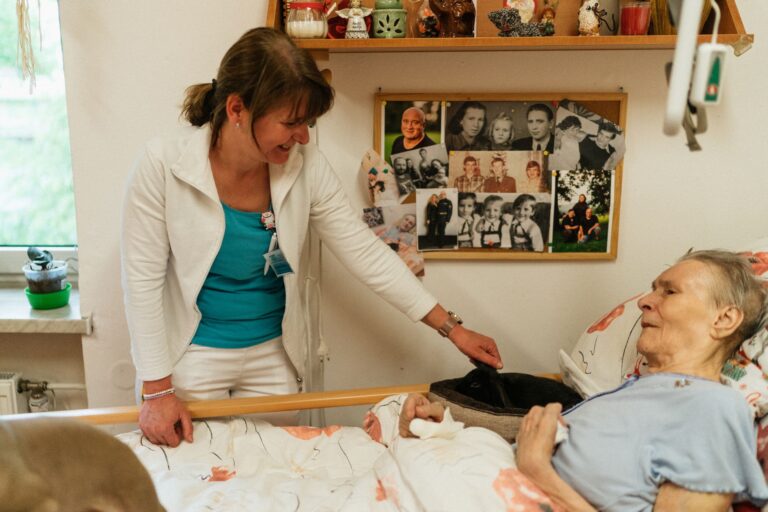
To adapt indoor gardening for middle-stage dementia, give one single-step task at a time with pre-grown, non-toxic sensory plants in a contained, reachable garden. Middle-stage dementia brings memory loss, poor sequencing, and weak judgment, so you simplify each task, supervise closely, and keep everything within easy reach. A small indoor setup can still give touch, smell, taste, and daily routine without outdoor access. Research on horticultural therapy also links gardening activity with better cognition, mood, daily function, and quality of life.
Medical information disclaimer: This article is for general educational purposes only and does not provide medical advice, diagnosis, or treatment. Always consult a physician or other qualified health professional about symptoms, medications, tests, or treatment decisions.
Table of Contents
- Why does gardening need to change now?
- What should you plant and where?
- How do you run a calm one-task session?
- What keeps it safe and what can it do?
Why does gardening need to change now?
Multi-step sequencing becomes hard in middle-stage dementia, so The Kensington Falls Church caregiver guide advises one single-step task at a time, such as watering one plant, described in its caregiver guide on brain-stimulating home activities. You hand over one tool, show one action, and finish that action before starting another. This lowers confusion and lets the person succeed.
Waiting is another problem because short-term memory loss makes germination confusing and less rewarding. Engaging Dementia therefore recommends potted transplants or pre-grown herbs instead of sowing seeds in its potting plants guide for dementia-friendly care. The plant is already visible, touchable, and fragrant, so effort brings an immediate result.
What should you plant and where?
Choose easy-care sensory plants for a sunny windowsill, such as basil and mint. SIU Medicine Smith Alzheimer's Center guidance describes this type of garden as touch, smell, and taste stimulation plus daily routine without outdoor access. Keep the collection small, perhaps two or three pots, so watering and checking stay simple.
Make the garden self-contained, stable, and near living areas where it is seen every day. Provider and therapeutic gardening guidance places the surface at about 30 inches height for wheelchair access, so residents at almost any dementia level can join with minimal staff demand. Use lightweight unbreakable pots, a tray to catch water, and enough light from a nearby window.
How do you run a calm one-task session?
Set out only what the single task needs and remove the rest from view. Sit beside the person, demonstrate the action, then invite them to copy it.
Stay with praise for effort, not correction for method. End after one task while attention is still good, then return the tools and wipe spills. Repeat the same task at the same time daily to build routine.
- Water one plant with a small light watering can
- Pinch or smell mint and basil leaves
- Wipe leaves with a damp soft cloth
- Place a pre-grown transplant into soil you already loosened
What keeps it safe and what can it do?
Avoid toxic plants, thorns, sharp tools, uneven surfaces, heat, and dehydration. Alzheimer's Society UK and The Kensington Falls Church safety guidance stress direct supervision because middle-stage dementia impairs judgment and new learning. Check that soil, leaves, and water are safe to touch and taste, and store fertilizer and tools out of reach.
A 2024 meta-analysis by Hangzhou Normal University School of Nursing pooled 9 randomized trials with 655 older dementia patients and found improved cognitive scores, less depression, better daily activities, and higher quality of life, reported in its published trial summary. A six-month therapy-garden pilot in the Journal of Neural Transmission also reduced depression on the Montgomery-Asberg scale, but baseline severity predicted response. Inspect plants weekly and replace any pot that turns thorny, leggy, moldy, or too heavy to lift safely.