When indoor gardening loses appeal in middle-stage dementia, music listening, simple art, photo reminiscence, shared kitchen tasks, and short walks offer direct substitutes. These options fit shorter focus and a need for single steps while still giving pleasure, purpose, and movement. Middle-stage dementia means the middle phase of decline, with more confusion, trouble following multi-step tasks, and less interest in past hobbies. The goal is not to replace gardening skill, but to match the current ability with a simpler activity that still feels useful and calm.
Medical information disclaimer: This article is for general educational purposes only and does not provide medical advice, diagnosis, or treatment. Always consult a physician or other qualified health professional about symptoms, medications, tests, or treatment decisions.
Table of Contents
- Why does interest in gardening change?
- Which music and art swaps calm the day?
- How can photos and shared tasks add purpose?
- What movement replaces garden work?
Why does interest in gardening change?
Greater confusion and trouble with multi-step tasks make watering schedules, repotting, and tool use hard to follow. The Alzheimer's Association notes on its Middle-Stage Caregiving page that apathy and loss of interest in hobbies are common at this stage, so complex gardening needs simplification into single steps.
That change does not mean the person wants nothing to do. It often means the task feels too long, messy, or hard to start. Offer one clear action at a time, such as holding soil, smelling herbs, or wiping a leaf.
Which music and art swaps calm the day?
Music can replace the soothing rhythm of plant care. Studies cited by the Alzheimer's Association find music may reduce agitation and improve behavioral issues, and even late-stage people may tap a beat or sing old lyrics, as described on its Music and art therapy page.
Art gives a similar sense of making something without plant upkeep. Keep projects simple, short, and failure-free, with clear materials and no right or wrong result.
- Play familiar songs and invite clapping, humming, or a short sing-along
- Offer large crayons, watercolors, or collage cutouts for a 10-minute piece
- Pair listening with sorting buttons by color or stacking paper shapes
How can photos and shared tasks add purpose?
Reminiscence uses photos, familiar music, objects, and storytelling to reach older memories. Looking at garden pictures, seed packets, or family albums together can bring comfort and talk when live plant care feels like work. Purposeful daily tasks also fill the same time slot.
Making dinner together, listening to music, and going for a walk are examples that can reduce wandering and agitation while keeping the person involved. Ask one question per photo, such as who picked these flowers. Let the person stir, tear lettuce, fold towels, or hold the photo while you guide gently.
What movement replaces garden work?
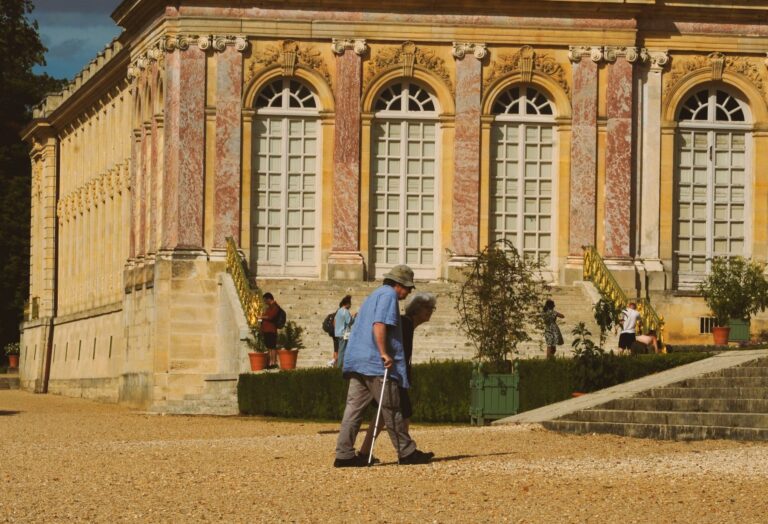
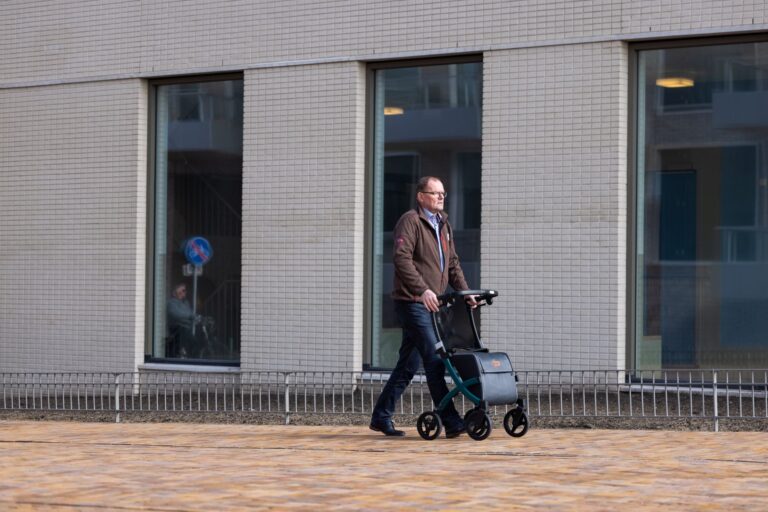
Short walks or seated movement give the body benefits gardening once gave. Regular activity such as short walks or 10-minute mini-workouts helps mood plus muscle, joint, and heart health, according to the National Institute on Aging ADEAR Center tip sheet in healthy aging tips for older adults in your life. Use the same time gardening once took.
Walk to the mailbox, around the block, or around the room with steady support. Start with five to ten minutes, bring water, and watch for tiredness or uneven steps. On bad weather days, try marching in a chair, arm lifts, or gentle stretching by a bright window.