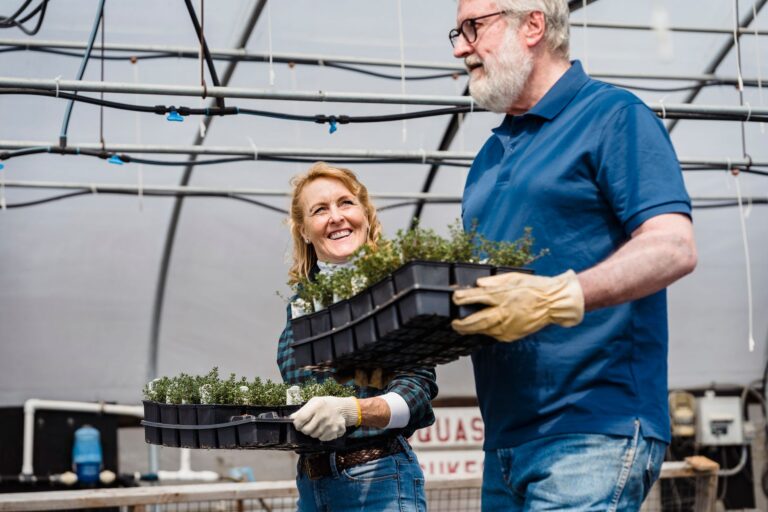
Step-by-step indoor gardening for early-stage dementia means growing plants in pots indoors through short, guided tasks done together. It focuses on familiar jobs like sowing seeds, watering, and harvesting to support activity and independence. LamClinic, summarizing the University of Exeter Medical School review, reports gardening and horticultural therapy linked to more relaxation, less agitation, and more activity in people with dementia LamClinic summary of the Exeter review. Familiar jobs such as watering help a person feel useful and preserve independence.
Medical information disclaimer: This article is for general educational purposes only and does not provide medical advice, diagnosis, or treatment. Always consult a physician or other qualified health professional about symptoms, medications, tests, or treatment decisions.
Table of Contents
- Why try this activity?
- How do you set up the space?
- What steps work best together?
- How do you plant and water correctly?
- Which safety checks matter most?
Why try this activity?
Gardening gives the hands something familiar to do. It also gives the day structure without pressure to perform.
Simple jobs can stimulate senses and memory. They can relieve stress and boredom and give a sense of achievement. That combination matters when days feel long or confidence slips.
How do you set up the space?
Light is the single most important factor for success indoors. Tour the home and check high, medium, and low light near windows.
Then match plants to the light you have. Start seeds in winter if you want an indoor project. Lay out the work before you begin:.
- cover the table with paper or garbage bags for cleanup
- set out pots, soil, and tools as a visual prompt
- keep water, towels, and a trash bowl close
- clear tripping hazards and allow space to sit
What steps work best together?
The Alzheimer Society of Nova Scotia advises scheduling gardening when the person is most alert activity guidance from the Alzheimer Society of Nova Scotia. Break the task into smaller steps. Do the task with the person rather than for them.
Try sowing seeds in pots, watering, deadheading, and harvesting fruit or vegetables. Offer one step at a time and allow extra time. If it fails, stop calmly and retry another day.
How do you plant and water correctly?
Use only containers with a drainage hole and suitable potting mix. Iowa State University Extension advises soaking soil until water runs out, then avoiding constant waterlogging, because soil without drainage stays wet and roots rot houseplant care from Iowa State University Extension.
Fill the pot, sow seeds at the depth on the packet, and press soil gently. Water slowly until water leaves the drainage hole. Empty the saucer so the pot does not sit in water.
Which safety checks matter most?
Many common houseplants are toxic if tasted or touched. Risk rises when dementia affects judgment, mouthing, or swallowing. The New York Botanical Garden guide warns about philodendron and related Araceae plants, poinsettia and related Euphorbiaceae plants, cactus, and nightshade families poisonous houseplant guide from the New York Botanical Garden.
It notes dumb-cane can swell the tongue, while oleander and castor bean can be deadly. Keep only clearly non-toxic plants within reach and keep U.S. Poison Control, 1-800-222-1222, posted by the phone.