Simplify indoor gardening for early-stage dementia by planning one small task with one clear goal per session. Use non-toxic, thorn-free plants at a stable table-height station with easy-grip tools and good lighting. Horticultural therapy means structured, goal-based plant activity led toward measurable outcomes, distinct from casual gardening. For early-stage dementia, simplification keeps attention on doing, not remembering steps, while the sensory contact supports mood and routine.
Medical information disclaimer: This article is for general educational purposes only and does not provide medical advice, diagnosis, or treatment. Always consult a physician or other qualified health professional about symptoms, medications, tests, or treatment decisions.
Table of Contents
- Why keep sessions to one task?
- Which plants make care easier?
- How should the station be set up?
- What does a simple weekly routine look like?
- Frequently Asked Questions
Why keep sessions to one task?
One task removes competing choices about what to do next. Water one plant fully, then stop. Plant three cuttings, then rest.
This single-goal pattern fits the therapy idea described by ScienceInsights, where progress comes from a structured horticultural therapy session with a clear aim. The caregiver can prepare materials, demonstrate once, and let the person repeat the motion. Repetitive watering, planting, and weeding can form a calming routine. Cleveland Clinic links these steady routines to stress relief from gardening routines and notes less agitation plus better mood in people with dementia.
Which plants make care easier?
Start with one or two forgiving plants matched to available light. Snake plant and pothos tolerate low or filtered light and drying between waterings, so missed days matter less. Avoid fussy seedlings, prickly cacti, and species that irritate skin.
The Alzheimer's Society UK recommends non-toxic plant choices for dementia that are safe to touch or taste and free of thorns at indoor stations. Check every candidate on the ASPCA toxic and non-toxic plant list before placing it within reach. Even material labeled non-toxic can cause vomiting or stomach upset if eaten, so keep soil, fallen leaves, and fertilizer out of reach.
How should the station be set up?
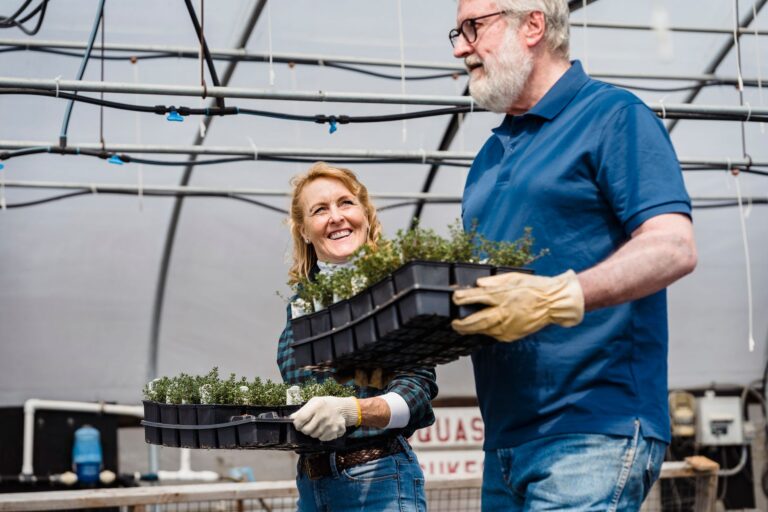
Work at a table, not the floor. Use a sturdy chair with armrests, a wipeable mat, a small watering can, and containers that will not tip. Choose adapted tools such as long-handled or easy-grip trowels, plus gloves that fit snugly.
Stable seating and table-height containers reduce bending, grip strain, and sharp-tool risk during short sessions. Keep the area well-lit, uncluttered, and trip-free with clear walkways. Good lighting and clutter removal lower confusion and fall risk, especially when carrying water or turning with a pot.
What does a simple weekly routine look like?
End each session at ten to twenty minutes, while interest is still high. A Woosuk University pilot study reported better nighttime sleep, less agitation, and cognitive support from indoor gardening, but authors called for larger randomized trials. Treat gardening as comfort, activity, and connection, not as proven treatment, and adjust the routine when fatigue or frustration appears.
- Monday: check soil with a fingertip and water only if dry.
- Wednesday: wipe two leaves with a damp cloth and turn the pot.
- Friday: snip dead leaves with blunt scissors and empty the saucer.
Frequently Asked Questions
How many plants should we start with?
Start with one or two matched to the room's light, then add another only when watering and leaf checks feel easy.
What if the person tries to eat leaves or soil?
Remove the plant, offer a safe sensory substitute such as smelling herbs from your hand, and recheck plant toxicity and station layout.