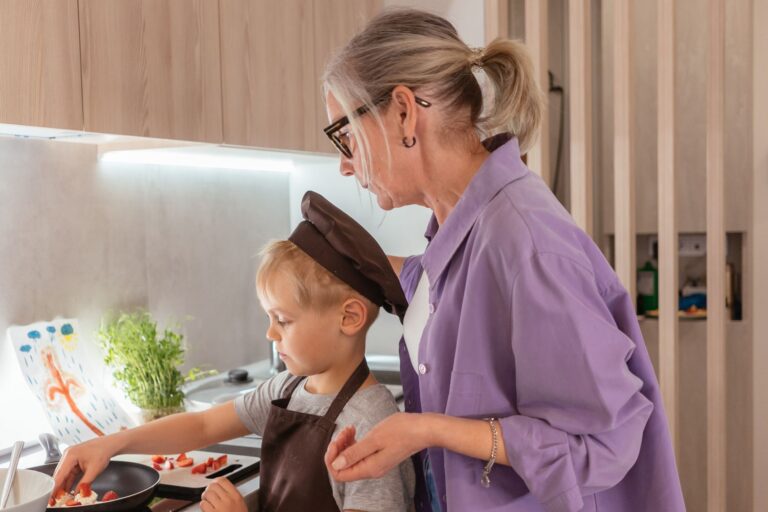
No-cook food preparation for dementia home care means assembling safe, ready-to-eat foods without heat. Start with bite-sized finger foods, add soft options for chewing problems, and serve slowly in a calm setting. Dementia here means changes in memory, judgment, chewing, swallowing, vision, and thirst that make cooking and mealtimes harder. A no-cook routine lowers burn and stove risks while still supporting independence, intake, and food safety.
Medical information disclaimer: This article is for general educational purposes only and does not provide medical advice, diagnosis, or treatment. Always consult a physician or other qualified health professional about symptoms, medications, tests, or treatment decisions.
Table of Contents
- What can you serve without cooking?
- How do you adjust for chewing problems?
- How do you handle slow eating and swallowing risk?
- How do you set a calm table?
- How do you keep no-cook food and drinks safe?
What can you serve without cooking?
Build small plates around foods that are easy to pick up. The Alzheimer's Association recommends bite-sized finger foods such as chicken nuggets, fish sticks, tuna sandwiches, orange segments, and steamed broccoli or cauliflower pieces in its food and eating guidance.
Keep portions small and familiar. Offer one or two items at first, then refill the plate.
- Cut sandwiches into strips or quarters.
- Peel and separate citrus into segments.
- Choose ripe banana slices, canned peaches, cheese cubes, or hard-boiled eggs from the store.
- Add a dip such as yogurt or applesauce for moisture and easier bites.
How do you adjust for chewing problems?
For chewing difficulty, choose naturally soft no-cook foods. The Alzheimer's Association lists applesauce, cottage cheese, yogurt, and pudding, or grinding foods and cutting them into bite-size pieces in its food and eating guidance. Watch how the person bites, moves food, and clears the mouth.
Slow pace, smaller pieces, and moist textures often help more than urging bigger bites. Stop offering hard, sticky, or crumbly pieces if they cause pocketing, coughing, or refusal. Stay with soft, smooth, easy-to-mash foods and ask the care team about a swallowing check.
How do you handle slow eating and swallowing risk?
In middle and late Alzheimer's, swallowing problems can cause choking and weight loss. Allow an hour or more, offer one food at a time, keep the person upright with the head slightly forward, and check the mouth to confirm swallowing. Whittington Health NHS Trust advises soft moist foods, small slow mouthfuls without talking while eating, and prompt referral for coughing, choking, wet voice, or repeated chest infections in its eating and drinking in dementia leaflet.
Cough, throat clearing, gurgly voice, watery eyes, or food left in the cheek are warning signs. Do not rush, mix bites, or offer drinks and solids in the same spoonful. Stay seated nearby, keep distractions low, and seek a speech-and-language swallowing assessment when signs persist.
How do you set a calm table?
Serve meals away from television in quiet surroundings. Keep the table setting simple, without busy patterns, so attention stays on eating. Use solid contrasting plates and placemats so food stands out.
White fish on a white plate disappears for someone with weak vision and spatial judgment; dark meat on a light plate is clearer. Place one utensil, one cup, and one plate within easy reach. Clear extras, wipe spills quickly, and keep lighting bright without glare.
How do you keep no-cook food and drinks safe?
Wash hands with soap before, during, and after food handling and before eating, scrubbing for at least 20 seconds. The Centers for Disease Control and Prevention gives this 20-second rule and lists handling uncooked meat, seafood, flour, or eggs as key wash moments in its handwashing guidance. No-cook foods still spoil.
The USDA Food Safety and Inspection Service says refrigerate meat, poultry, fish, eggs, dairy, cut fruit, and prepared sandwiches within two hours, or within one hour above 90 degrees, in its food safety basics. Offer water regularly through the day because thirst weakens with age and dementia. If water is refused, try juice, flavored water, broth, milk, or decaffeinated tea, and watch for dry mouth, dark urine, dizziness, fatigue, and added confusion.