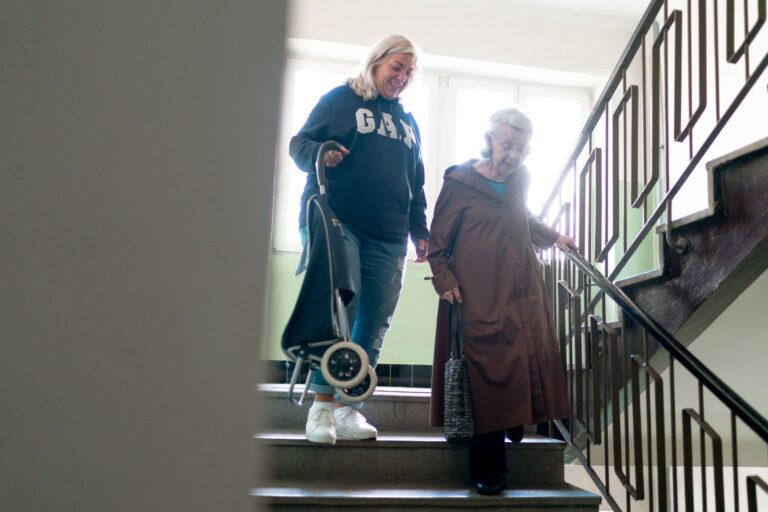
Home-based dementia care research priorities in 2026 center on keeping people with dementia at home with stronger community supports. For spouses and partners, the focus is practical help, caregiver training, and respite. Home-based dementia care means medical, personal, and daily support delivered where the person lives.
The Alzheimer's Association reports more than 7 million Americans live with Alzheimer's, while over 12 million unpaid caregivers provided about 19.6 billion hours of care in 2025 facts and figures from the Association. Most of that care happens at home. Spouses and partners carry much of it.
Medical information disclaimer: This article is for general educational purposes only and does not provide medical advice, diagnosis, or treatment. Always consult a physician or other qualified health professional about symptoms, medications, tests, or treatment decisions.
Table of Contents
- What changed in national priorities?
- What coordinated help can you get at home?
- What did the largest home-care trial find?
- How can spouses protect their own health?
What changed in national priorities?
The National Institute on Aging convened its 2026 Dementia Care and Caregiving Research Summit virtually March 17-19, 2026. Leaders reviewed progress and named remaining gaps in care and caregiver intervention research. That review set the research agenda for home settings. HHS released the 2026 Update to the National Plan to Address Alzheimer's Disease and Related Dementias on Oct. 22, 2026, according to HHS the Department's update announcement.
It replaced six historic goals with four. The four cover risk reduction, discovery, high-value care, and family supports. Reporting on the plan by Home Health Care News says the priority is strengthening home- and community-based services. It also emphasizes caregiver support and respite. Another priority is enrolling more Medicare beneficiaries in dementia-specific coordinated care.
What coordinated help can you get at home?
The Centers for Medicare & Medicaid Services is testing the Guiding an Improved Dementia Experience Model, called GUIDE. According to CMS, the 8-year test began July 1, 2024 with 330 participating organizations the agency's GUIDE model page. It is designed for community-dwelling beneficiaries.
GUIDE provides a care navigator to organize services and plan next steps. It offers a 24/7 support line, caregiver training, and respite up to $2,500 per patient per year. For a spouse, that can mean: Access runs through participating health systems and community providers. Ask a primary care clinic or Alzheimer's Association chapter if GUIDE is offered near you.
- one contact who knows the care plan
- skills coaching for behavior changes and daily tasks
- planned breaks through paid respite hours
What did the largest home-care trial find?
The D-CARE pragmatic trial followed 2,176 community-dwelling dementia dyads for 18 months. It compared health-system-based care, community-based care, and usual care. Yale School of Public Health reported no difference among the three groups on patient behavioral symptoms or on caregiver strain, depression, or distress. The result does not mean support failed.
In JAMA Internal Medicine, the same trial found caregivers in both structured arms reported higher confidence managing care. They also reported higher satisfaction and perceived quality of care than usual care. For spouses, the lesson is direct. Formal support may not change memory or agitation. It can still make daily care feel more manageable and better coordinated.
How can spouses protect their own health?
Spouses face long, close-up strain. Care often includes nights, medications, meals, safety checks, and comfort during confusion. Over years, that load affects mood and sleep. University of Michigan research found caring for a spouse with newly diagnosed Alzheimer's or related dementia was linked with a 30% increase in depressive symptoms versus non-caregiving older adults.
The increase persisted across years of caregiving. Early support matters more than waiting until exhaustion. Use respite before burnout, not after it. A navigator, counselor, or trusted provider can help you act early: Ask the care team what training and respite hours your current plan already covers.
- schedule short weekly respite and keep the slot
- learn one response plan for wandering, agitation, and refusals
- track sleep, mood, and missed medical visits for yourself
- name a backup person who can step in for 24 hours
You Might Also Like
- The 2026 NIA Workshop on Comprehensive Dementia Care Models: A Source-Checked Briefing for Spouses and Partners
- UAS-CLEAR Dementia Care Research Data Priorities in 2026: What Researchers Still Need to Learn for People With Mild Cognitive Impairment
- Strengths-Based Dementia Care in the 2026 NIA Report: A Source-Checked Briefing for Spouses and Partners