Simple strength exercises for middle-stage dementia are short, predictable seated or chair-supported moves that build leg and arm strength for daily tasks. Middle-stage dementia means memory loss and confusion have grown and the person needs direct help to stay safe and follow steps. Setup, supplies, and safety make the routine work. Keep sessions brief, familiar, and enjoyable, and favor consistency over intensity.
Medical information disclaimer: This article is for general educational purposes only and does not provide medical advice, diagnosis, or treatment. Always consult a physician or other qualified health professional about symptoms, medications, tests, or treatment decisions.
Table of Contents
- How should you set up the space?
- What supplies help most?
- Which simple moves build useful strength?
- How do you guide the session?
- What safety rules should caregivers follow?
How should you set up the space?
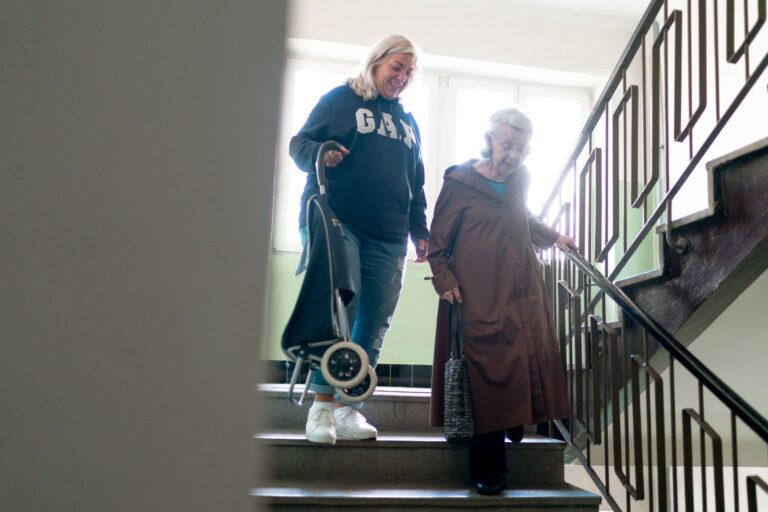
Choose a quiet, familiar spot with clear floor space and good light. Use a sturdy armless chair without wheels and wear supportive, closed-toe shoes. Keep a chair, counter, wall, or person nearby for unsteady moments, as recommended in the National Institute on Aging safety tips.
Keep the routine predictable. Exercise at the same time and place, remove clutter and tripping hazards, and keep water within reach. Stay close enough to steady the person, but let them do the movement.
What supplies help most?
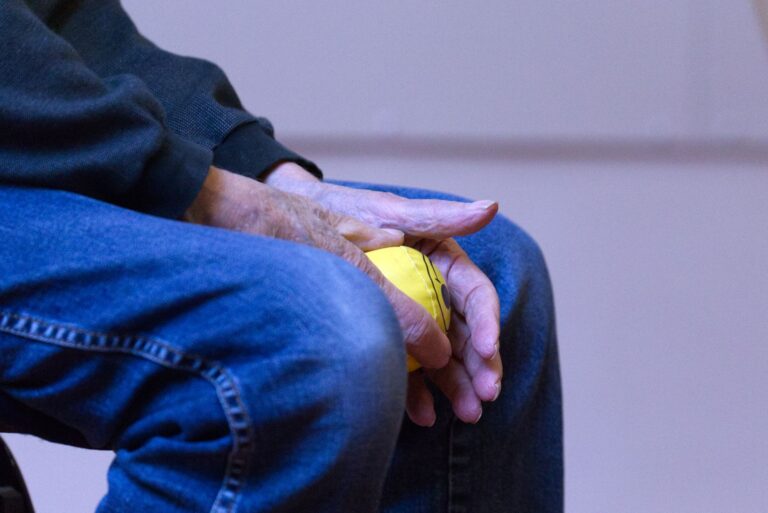
You do not need a gym. Body weight, light dumbbells, and resistance bands in different levels cover most needs. Bands are useful because the person can press, pull, or extend them from a seated position.
Pick tools that match current ability. Start with the lightest band or no weight, then change resistance only when form stays steady. Keep cleaners, chemicals, and sharps locked away so the exercise area stays dementia-friendly.
Which simple moves build useful strength?
Focus on moves that support standing, toileting, and transfers. Try seated marching, sit-to-stand from the sturdy chair, seated arm raises, and band leg pulls. Do a few slow repetitions, rest, and repeat only if the person is willing.
Pair strength with other movement across the week. According to the CDC, adults 65 and older need at least 150 minutes of moderate aerobic activity weekly plus muscle-strengthening on two or more days and balance activities, adapted to ability, in the CDC activity guidance for older adults. On other days, add a short walk, gentle stretching, or standing balance practice with support.
How do you guide the session?
Demonstrate each movement for imitation and use one-step instructions. Say "lift your knees," pause, then say "march again." Keep your tone calm, praise effort, and stop while the activity still feels pleasant.
Structure helps more than correction. Follow the same order each time, allow extra response time, and offer support rather than doing the task. If attention fades, switch to music, rest, or a simpler motion instead of pushing through.
What safety rules should caregivers follow?
No single band-or-dumbbell program is safe for everyone, so check with a clinician first. According to the American Academy of Family Physicians, stop and seek care for chest pain, dizziness, or pain lasting more than one to two days, as noted in the American Academy of Family Physicians safety article. Watch during and after exercise:.
- Stop for chest pain or pressure, severe shortness of breath, dizziness, nausea, unusual sweating, or a fall.
- Pause for joint pain, new weakness, confusion that worsens, or refusal to continue.
- Call the care team about pain that lasts more than one to two days, swelling, or reduced walking or transfer ability the next day.