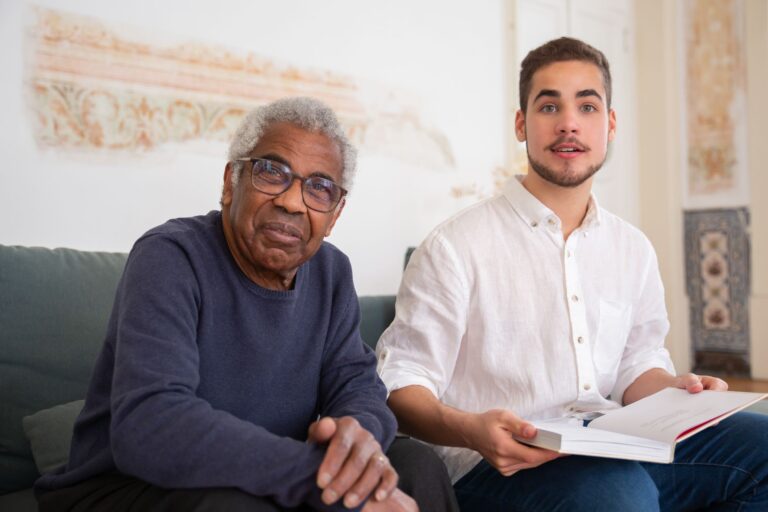
The 2026 NIA report calls for strengths-based dementia care that protects personhood and relationship quality for both members of a couple. Strengths-based care means building daily support around retained abilities, preferences, and shared history rather than deficits alone. The National Institute on Aging convened researchers, clinicians, and lived-experience partners at a virtual summit March 17-19, 2026, according to the Roybal Coordinating Center summit announcement. Sessions addressed economic impacts, care models and coordination, intervention development, data infrastructure, and lived experience.
Medical information disclaimer: This article is for general educational purposes only and does not provide medical advice, diagnosis, or treatment. Always consult a physician or other qualified health professional about symptoms, medications, tests, or treatment decisions.
Table of Contents
- What does strengths-based care change?
- Why are spouses and partners in focus?
- How can couples co-design the plan?
- What help with coordination may grow?
- Where are the limits?
- Frequently Asked Questions
What does strengths-based care change?
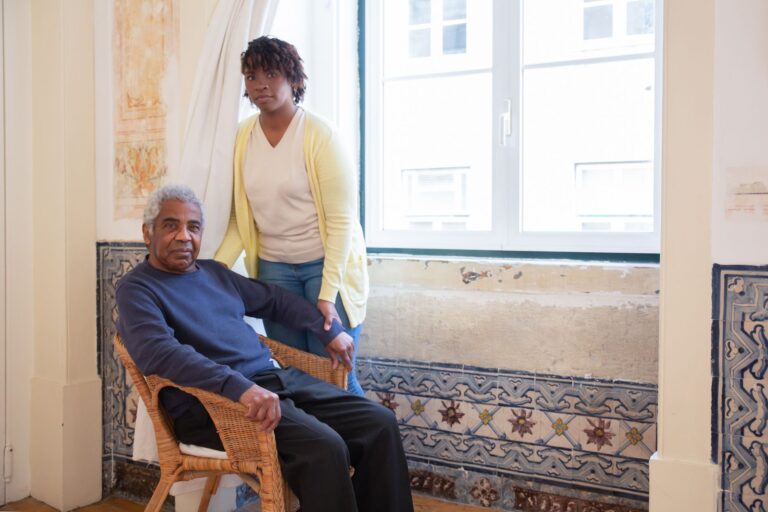
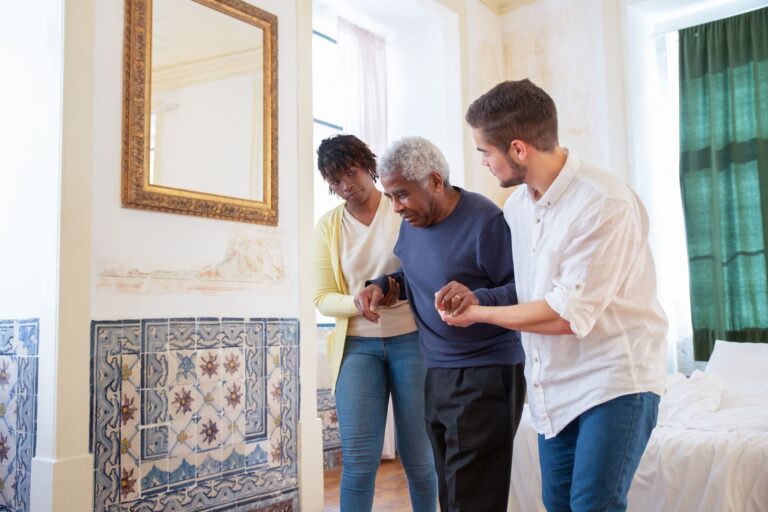
It shifts the starting question from what is lost to what still works. A spouse might anchor morning routine around music the person still enjoys, familiar tasks they can still do, and roles that still feel mutual.
The NIA report frames this as holistic well-being for the dyad, meaning person and partner together, according to the National Institute on Aging 2026 summit report. Language matters here too. Care plans use capable, adult terms and name retained strengths before listing needs.
Why are spouses and partners in focus?
Spouses often carry daily decisions about safety, medical visits, money, and household work. Americans especially expect spouses to lead eldercare when dementia is present, and caregiving remains widespread and demanding.
The Alzheimer's Association's 2026 figures describe nearly 13 million family members and friends providing over 19 billion unpaid hours, with about 60 percent reporting high emotional stress, as reported in the Alzheimer's Association 2026 facts release. For a partner, a strengths-based plan can reduce friction by assigning doable roles. It can also protect sleep, health visits, and outside help for the caregiver.
How can couples co-design the plan?
The report urges interventions designed with people living with dementia and care partners as co-designers and co-beneficiaries. Preferences should be re-checked as dementia progresses rather than assumed from an earlier choice.
Bring that one-page list to clinic, home-care, or support-group meetings. Ask which strengths the team can reinforce and which risks need a backup plan.
- List three activities your partner still enjoys and can do safely.
- Name tasks to keep, tasks to share, and tasks to delegate.
- Write down language that feels respectful to both of you.
- Set a date to revisit choices after any major change.
What help with coordination may grow?
Many spouses manage referrals, medications, and follow-up alone. Care-coordination models aim to link medical care, community supports, respite, and caregiver coaching in one plan.
One model named in the NIA discussion is the CMS Guiding an Improved Dementia Experience Model, which CMS describes as increasing care coordination and caregiver support, according to CMS GUIDE model page. Ask your clinic or Area Agency on Aging whether a dementia care navigator, GUIDE participant, or similar coordination program serves your ZIP code.
Where are the limits?
The NIA report notes little research on people with dementia who have no care partner. It adds a goal to develop interventions for them, while data silos and access barriers persist.
For spouses, this means planning for backup coverage. Name a second contact, share key documents, and identify one neighbor, friend, faith group, or local program that could step in short term.
Frequently Asked Questions
Does strengths-based care ignore safety problems?
No. It pairs retained abilities with clear safeguards, shared tasks, and scheduled re-checks when symptoms change.
How often should we revisit preferences?
Revisit after falls, hospital visits, medication changes, wandering, or added agitation, plus at routine care reviews.
What if we have no backup caregiver?
Tell the clinic and local aging agency early and ask about navigator programs, respite options, and advance planning help.
You Might Also Like
- Community-Academic Dementia Partnerships in the 2026 NIA Report: A Source-Checked Briefing for Spouses and Partners
- Culturally Responsive Caregiver Support in the 2026 NIA Report: A Source-Checked Briefing for Spouses and Partners
- The 2026 NIA Workshop on Comprehensive Dementia Care Models: A Source-Checked Briefing for Spouses and Partners