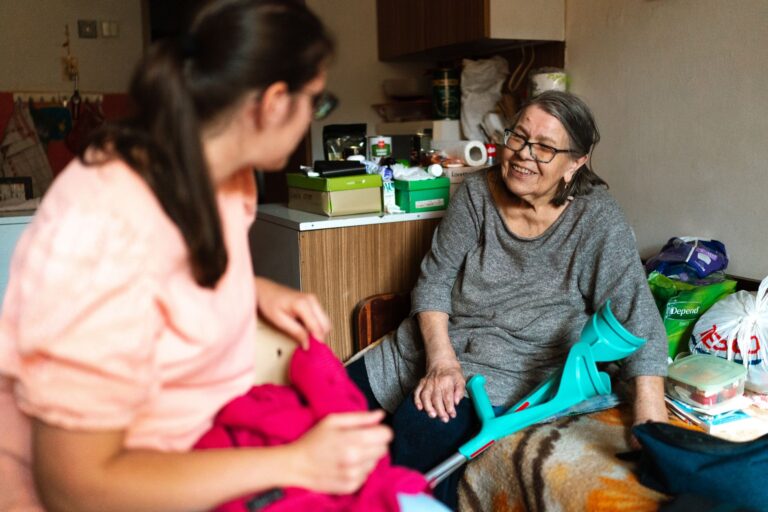
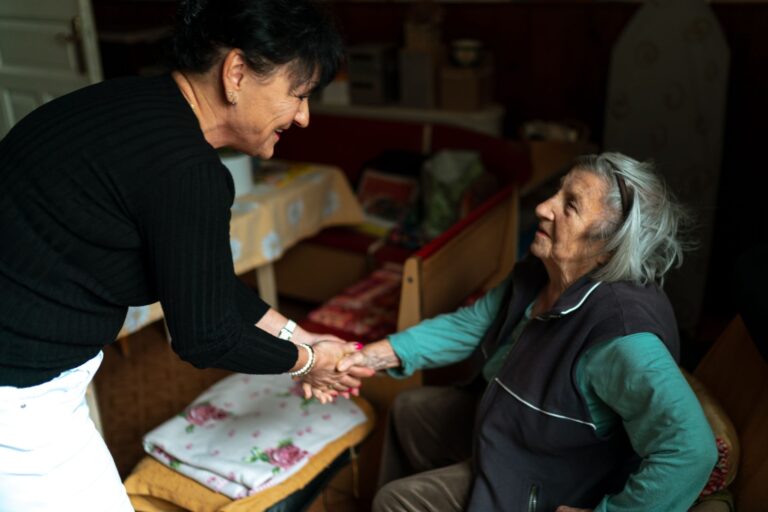
Occupational therapy improves daily functioning in mild-to-moderate dementia and lowers stress for family caregivers. Occupational therapy is hands-on coaching that helps people manage daily tasks and helps caregivers guide care. Home programs tailor activities, routines, and surroundings to the person's abilities. The American Occupational Therapy Association review reports this tailored approach improved occupational performance, reduced caregiver burden, and improved caregiver sense of competence.
Medical information disclaimer: This article is for general educational purposes only and does not provide medical advice, diagnosis, or treatment. Always consult a physician or other qualified health professional about symptoms, medications, tests, or treatment decisions.
Table of Contents
- How does occupational therapy work?
- What changes can families expect?
- What do guidelines recommend?
- Where are the limits?
- What practical steps help now?
How does occupational therapy work?
Occupational therapy works compensatorily rather than by restoring cognition. Therapists train use of aids, task simplification, and environmental adaptation.
Therapists also set structured routines and teach supervision strategies. They coach coping strategies for behavioral problems and daily care demands.
What changes can families expect?
The BMJ trial by Graff et al. tested 10 sessions over 5 weeks in 135 community-living pairs with mild-to-moderate dementia BMJ trial report.
Process skills improved in 84% versus 9%, and daily-activity performance improved in 78% versus 12%. Caregivers also gained a stronger sense of competence. Home-based reviews link individualized, client-centered intervention to better occupational performance and lower informal-caregiver burden.
What do guidelines recommend?
The National Institute for Health and Care Excellence guideline NG97 recommends considering cognitive rehabilitation or occupational therapy to support functional ability in mild-to-moderate dementia NICE dementia guideline. The guideline lists group cognitive stimulation and reminiscence as related options.
American Occupational Therapy Association reviews report strong evidence for caregiver education, problem-solving, coping-skills training, communication training, mindfulness training, and professionally led support groups. These approaches reduce burden, anxiety, depression, and stress while improving caregiver skill and care-recipient quality of life.
Where are the limits?
Effects vary by dementia stage and by tailoring. Patients have limited learning capacity, so gains depend on practice and caregiver support.
Most evidence is home-based. The American Occupational Therapy Association review calls for more research on leisure and home-management occupations.
What practical steps help now?
Small supports make tasks easier to start and finish. Clinicians advise daily-function aids and outside support, described by the U.S.
National Institute on Aging National Institute on Aging advice. Ask the care team for referral to support groups, respite care, and personal health support for mental-health strain.
- use to-do lists, calendars, and reminders for daily tasks
- simplify steps, set a steady routine, and adjust lighting and clutter
- join a caregiver support group and arrange respite care
- contact their own health provider for mental-health strain