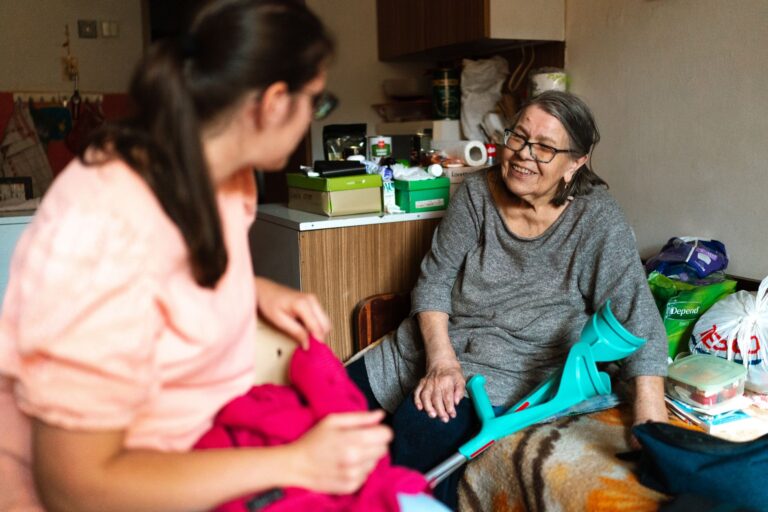
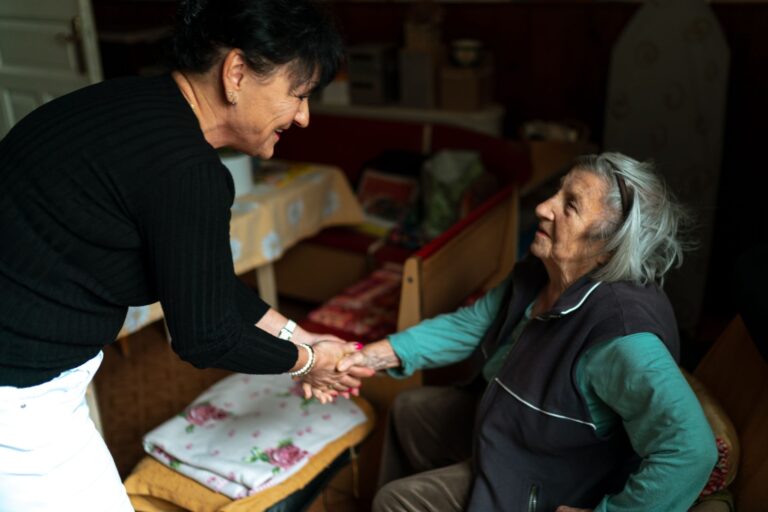
Robotic pets for dementia care are lifelike companion cats, dogs and seal pups that respond to touch, movement and voice. Caregivers can follow four steps: pick a suitable model, introduce it gently, use short regular sessions, and monitor comfort and hygiene.
Think of them as comfort tools for loneliness, agitation and apathy. The University of Plymouth reports reduced delusions, depression, anxiety and apathy in an eight-month trial in eight Cornish care homes detailed trial summary. Benefit is often modest and varies by person.
Medical information disclaimer: This article is for general educational purposes only and does not provide medical advice, diagnosis, or treatment. Always consult a physician or other qualified health professional about symptoms, medications, tests, or treatment decisions.
Table of Contents
- Which pet fits your situation?
- How do you introduce it without pressure?
- What routine works best?
- How do you keep shared use clean and safe?
Which pet fits your situation?
Ageless Innovation's Joy for All cats and dogs are a low-cost starting point. They use motion and touch sensors, heartbeat, lifelike coats, purring or BarkBack voice response, and included C batteries.
Tombot's Jennie lap puppy uses touch sensors and voice commands, stays awake all day on one charge, and stays on a lap or table. Griffith University describes PARO, a baby-harp-seal robot costing about $8,500, as responding to touch, temperature and voice while learning its name. Match features to daily life:.
- Start low-cost with a familiar cat or dog when the person likes that animal.
- Choose the seal pup where live animals are impossible.
- Choose a lap or table model when walking is unsteady, since it reduces fall risk.
How do you introduce it without pressure?
Place the pet nearby and let the person notice, touch or ignore it. Do not place it in their arms, insist they hold it, or treat refusal as failure. Offer a simple care role, such as feeding, brushing or naming.
Stay close, watch facial expression, tone and grip, and speak calmly about what the pet is doing. East Suffolk and North Essex NHS Foundation Trust reports Alzheimer's Society-donated cats and dogs comforted lonely hospital patients. In one case, a severely agitated patient calmed at the bedside, which shows value for de-escalation.
What routine works best?
Griffith University tested 15-minute PARO sessions three afternoons weekly for 10 weeks in 415 residents aged 60+ with dementia trial findings. Engagement was greater than with a plush toy or usual care, with modest but significant benefit. Use that pattern as a guide.
Schedule brief afternoon sessions, keep the room quiet, and pair the pet with a familiar activity like music or a drink. Keep bedside use short and purposeful. Bring the pet for loneliness, restlessness or sundowning, then remove it when attention fades or irritation appears.
How do you keep shared use clean and safe?
Dementia Support Australia advises caregivers not to impose the pet, to supervise responses, and to remove it if irritating simulated-pets helpsheet. The same guidance calls for offering feeding or care roles rather than forcing interaction.
Infection control matters for shared pets. The Alzheimer's Society reports nine months of hygiene testing kept PARO within NHS limits on a 10-bed dementia ward. Wash hands before and after use, clean the coat and hard surfaces between users, and store the pet on a table rather than the floor.