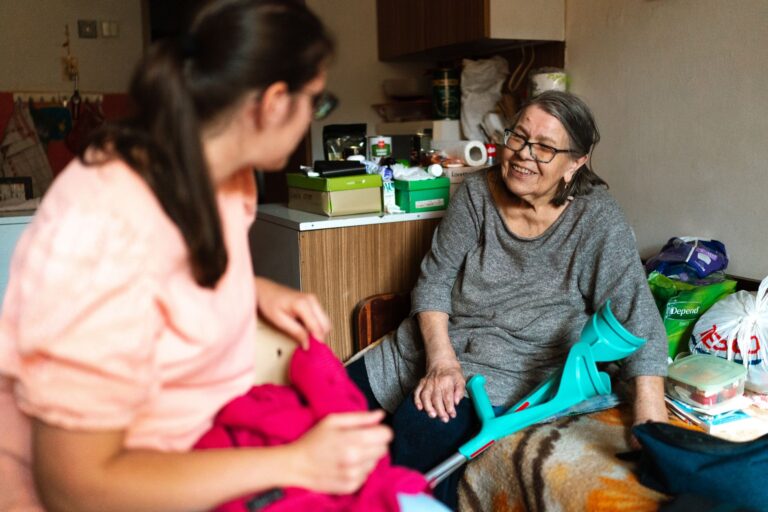
For Alzheimer's caregivers, the VA Aid and Attendance checklist means confirming pension eligibility, proving daily-care needs, and filing the right medical and income forms. VA Aid and Attendance is not a separate program but a monthly payment added to an approved VA pension for veterans and survivors who need help with daily activities or are housebound. Alzheimer's care often fits because supervision for bathing, feeding, dressing, or nursing-home care can meet the medical test. A short checklist keeps families focused on service rules, doctor evidence, and countable income.
Medical information disclaimer: This article is for general educational purposes only and does not provide medical advice, diagnosis, or treatment. Always consult a physician or other qualified health professional about symptoms, medications, tests, or treatment decisions.
Table of Contents
- Does Alzheimer's meet the medical test?
- Does your veteran meet the basic pension rules?
- What papers should caregivers gather?
- How does income change the payment?
- Should you claim Aid and Attendance or Housebound?
Does Alzheimer's meet the medical test?
Alzheimer's disease causes memory loss, confusion, and loss of daily skills. For this benefit, what matters is how much help the person needs each day. According to the U.S.
Department of Veterans Affairs, applicants must meet at least one test such as needing another person for bathing, feeding or dressing, staying largely in bed from illness, being a nursing-home patient from mental or physical disability, or having very limited vision Aid and Attendance eligibility details. Cognitive loss that requires supervision or hands-on help with daily activities can satisfy that test. No service-connected condition is required. The need for custodial care or constant supervision from dementia can count even when the veteran never had a service injury.
Does your veteran meet the basic pension rules?
Aid and Attendance rides on top of a VA pension, so the veteran must first qualify for that pension. According to the U.S. Department of Veterans Affairs, the underlying Veterans Pension generally requires a non-dishonorable discharge, wartime service including at least 90 days active duty with one wartime day in most cases, plus age 65 or disability and income and net-worth limits Veterans Pension eligibility rules.
Survivors have a separate pension path. Check whether the claimant is filing as a veteran or as a surviving spouse before choosing forms. Gather discharge papers, service dates, marital information, income records, and asset records early. Missing service or financial proof is a common cause of delay.
What papers should caregivers gather?
Use VA forms to organize the claim. You will need VA Form 21P-527EZ for a veteran's pension or 21P-534EZ for a survivor, physician evidence on Form 21-2680 for aid and attendance, and Form 21-0779 if the claimant is in a nursing home. Ask the doctor to describe daily help in plain terms.
Note bathing, toileting, dressing, feeding, medication prompts, wandering, safety risks, and hours of supervision. Keep copies of everything sent. Note dates, names, and receipts for home care, assisted living, or memory care.
- Copy of discharge papers and ID
- List of diagnoses, medicines, and care providers
- Completed physician statement on daily needs
- Nursing-home statement when relevant
- Income, asset, and unreimbursed care-cost records
How does income change the payment?
VA looks at income and net worth. From December 1, 2025 through November 30, 2026, the net-worth limit is $163,699, counting spouse assets plus annual income while excluding the primary home, car, and basic household goods. According to the U.S.
Department of Veterans Affairs, VA calculates payment as the Maximum Annual Pension Rate minus countable income divided by 12, and unreimbursed medical expenses such as home care, assisted living, or memory care can reduce countable income and increase the check current Veterans Pension rates and example. The packet example shows a $33,548 rate with $10,000 income yielding $23,548 yearly. Track every out-of-pocket care bill. Paid invoices for aides, adult day care, assisted living, and memory care may lower countable income when VA allows them.
Should you claim Aid and Attendance or Housebound?
Claim only the category the medical evidence supports. A claimant cannot receive Aid and Attendance and Housebound benefits at the same time, so caregivers should claim the higher-need category supported by medical evidence. Aid and Attendance fits higher daily-care needs.
Housebound fits a lower level of confinement without that daily-help need. If dementia progresses, update the medical evidence. Stronger proof of supervision needs can support moving to the higher-need category.