The World Health Organization said on 15 July 2026 that up to 45% of dementia risk could be prevented or delayed by addressing modifiable factors across life. Adults in midlife can track blood pressure, cholesterol, blood sugar, hearing, vision, activity, smoking and drinking with a clinician without diagnosing dementia themselves. Modifiable risk means factors that people and clinicians may be able to change or treat. Dementia is a loss of thinking and daily function from brain disease, and Alzheimer's disease causes an estimated 60-70% of cases worldwide.
Medical information disclaimer: This article is for general educational purposes only and does not provide medical advice, diagnosis, or treatment. Always consult a physician or other qualified health professional about symptoms, medications, tests, or treatment decisions.
Table of Contents
- What does 45% mean for one person?
- Which 14 factors make up the estimate?
- What did WHO advise in 2026?
- How can you track risk without self-diagnosing?
- Frequently Asked Questions
What does 45% mean for one person?
The 45% figure is a population-level theoretical preventable share, not a personal guarantee. Earth.com, explaining the Lancet Commission method, notes that risks overlap and no one can know whether one person's dementia would have been avoided.
That distinction matters in midlife because many risks act together over years. Lowering several risks may reduce chances across a population, even when the benefit for any one adult cannot be separated.
Which 14 factors make up the estimate?
The list expanded from 12 factors and 40% in 2020 to 14 factors and about 45% in the 2024 Lancet Commission, published 31 July 2024. Knowridge, reporting on the Lancet work presented at AAIC 2024, lists them as less education, hearing loss, high LDL cholesterol, depression, traumatic brain injury, physical inactivity, diabetes, smoking, hypertension, obesity, excessive alcohol, social isolation, air pollution and untreated vision loss.
The two factors added in 2024 were high LDL cholesterol from around age 40, estimated at about 7% of cases, and untreated later-life vision loss at about 2%. The update raised attention to midlife cholesterol and later-life sensory health alongside long-known heart and lifestyle risks.
What did WHO advise in 2026?
WHO's 2026 actions that adults can track with clinicians include physical activity, smoking cessation, less alcohol, blood-pressure, diabetes and cholesterol control, hearing aids for hearing loss, cognitive activity and lower air-pollution exposure. More than 57 million people live with dementia worldwide, with nearly 10 million new cases yearly, according to UN News reporting on the WHO guideline.
The advice centers on regular checks and treatment, not brain testing at home. A clinician can set targets for blood pressure, blood sugar and LDL cholesterol, review medicines, support quitting smoking, discuss alcohol use, check hearing and vision, and suggest next steps for depression, isolation or head injury.
How can you track risk without self-diagnosing?
Tracking means watching numbers, senses and symptoms over time and bringing changes to a clinician. Alzheimer's diagnosis requires physician history, cognitive and neurologic exams, tests and often imaging, according to Alzheimer's Association diagnosis guidance.
Use visits to record facts a doctor can interpret: Do not label memory lapses as dementia or normal aging on your own. Bring notes about onset, frequency, work effects, family observations and other illnesses so the clinician can decide what tests fit.
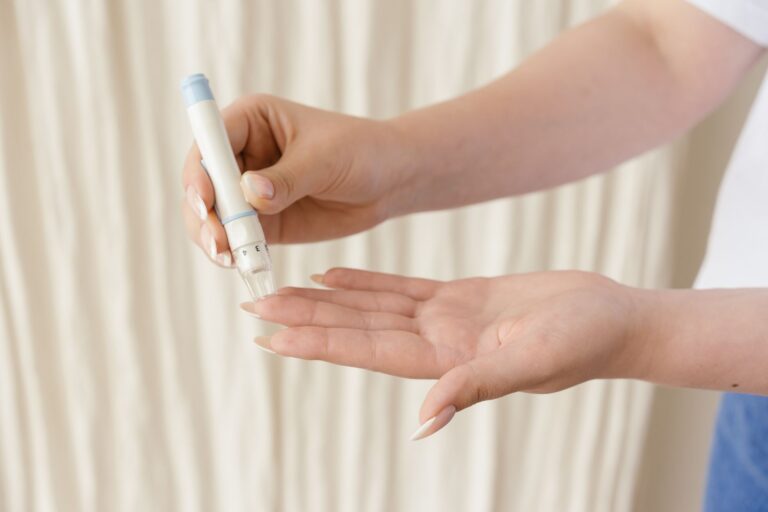
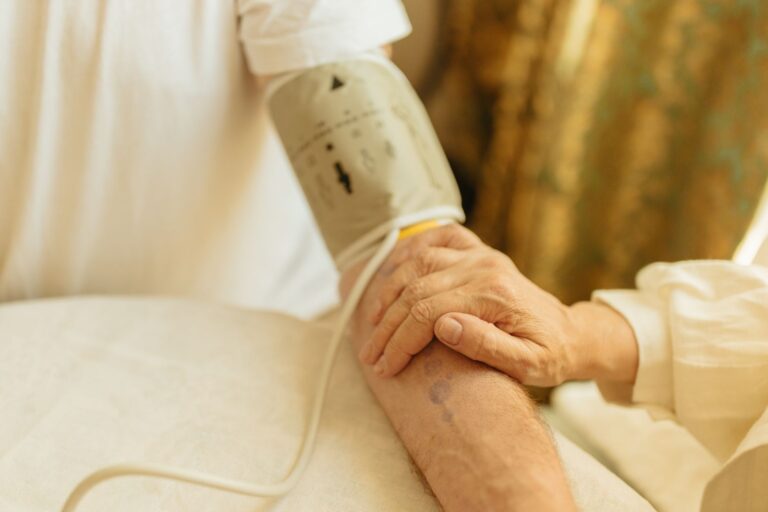
- blood pressure, A1c or glucose, LDL cholesterol, weight, smoking and alcohol use
- hearing trouble, hearing-aid use, vision changes and eye-care dates
- mood, sleep, activity, social contact and any head injury
- memory or thinking changes, with dates, examples and medicines
Frequently Asked Questions
Does treating cholesterol or vision loss guarantee prevention?
No. The 45% figure is a population share, and individual benefit cannot be separated because risks overlap.
What should I bring to a visit about memory concerns?
Bring dates and examples of changes, medicines, vascular numbers, hearing and vision history, mood and sleep changes, and family observations.
You Might Also Like
- WHO’s Second Dementia Risk-Reduction Guideline in 2026: What Adults in Midlife Can Track Without Self-Diagnosing
- MRI and ARIA Monitoring With At-Home Leqembi in 2026: How People With Early Alzheimer’s Can Read the FDA Headline Carefully
- Young-Onset Dementia Cost Gaps Identified by NIA in 2026: What Working Dementia Caregivers Can Check in Their Community