Adults in midlife can track diabetes care, activity, and test follow-through without diagnosing diabetes themselves. The 2026 World Health Organization dementia guideline treats diabetes as a modifiable contributor and points adults with diabetes toward standard diabetes care.
Diabetes means blood sugar runs higher than normal over time. Dementia means a lasting decline in memory and thinking that interferes with daily life. According to the World Health Organization, it published the second edition of its risk-reduction of cognitive decline and dementia guidelines on 15 July 2026 in the World Health Organization guideline.
Medical information disclaimer: This article is for general educational purposes only and does not provide medical advice, diagnosis, or treatment. Always consult a physician or other qualified health professional about symptoms, medications, tests, or treatment decisions.
Official resources:
- Read the official guidance from Who — Use this primary source to verify the official guidance.
- Read the official guidance from NIH — Use this primary source to verify the official guidance.
Table of Contents
- What the guideline says about diabetes
- Who this tracking is for
- What to track without self-diagnosing
- Activity and ongoing diabetes care
- What the 45% figure does and does not promise
What the guideline says about diabetes
The guideline names diabetes alongside hypertension, high cholesterol, tobacco use, alcohol use, physical inactivity, social isolation, and air pollution. The World Health Organization described these factors through Open Access Government reporting as major modifiable contributors. For dementia-risk reduction, the advice is practical.
Adults with diabetes should receive care according to existing World Health Organization diabetes guidelines, as stated in the executive summary. The guideline does not offer a separate dementia-specific diabetes drug. That distinction matters for midlife readers. The task is to stay in routine diabetes care, not to seek a brain-health prescription for blood sugar.
Who this tracking is for
The guideline applies to adults without dementia, including people with normal thinking or mild cognitive impairment. The World Health Organization executive summary defines that group as the prevention audience. Midlife tracking is therefore prevention, not diagnosis.
A home reading, symptom search, or single lab value does not settle whether someone has diabetes. Family members can use the same boundary. They can support appointments, meals, movement, and records. They should not label a parent or partner based on tracked numbers.
What to track without self-diagnosing
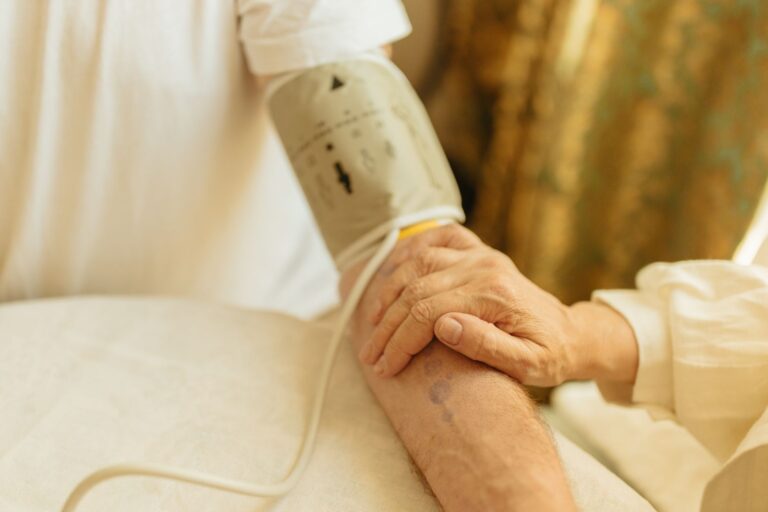
Track care steps that a clinician can interpret. Useful records include appointment dates, prescribed tests, medicines actually taken, and questions for the next visit. Home glucose readings can support that record when a clinician asked for them.
They cannot diagnose diabetes by themselves, and results pointing toward diabetes are generally repeated on a different day for confirmation, according to National Institute of Diabetes and Digestive and Kidney Diseases guidance. Clinicians diagnose diabetes at A1C 6.5% or higher or fasting plasma glucose 126 mg/dL or higher. A simple midlife log can stay short and consistent:.
- Date and reason for each diabetes-related visit or lab order
- Test results exactly as reported, with reference ranges
- Home readings only with time, context, and meter type
- Activity, sleep disruption, illness, or missed doses that may affect readings
Activity and ongoing diabetes care
Regular activity helps manage blood sugar and blood pressure. The Centers for Disease Control and Prevention advises 150 minutes weekly of moderate-intensity aerobic activity such as brisk walking. That target can be split into shorter walks across the week.
A reader can track minutes, walking pace, and barriers such as joint pain or unsafe routes. Ongoing care also means returning for repeats and referrals. If a result falls in the prediabetes ranges of 5.7 to 6.4% for A1C or 100 to 125 mg/dL for fasting glucose, according to the National Institute of Diabetes and Digestive and Kidney Diseases, ask what follow-up interval fits. Bring the log, ask what change the clinician wants first, and confirm how results will be confirmed.
What the 45% figure does and does not promise
The World Health Organization, via UN News, states that up to 45% of dementia risk could be prevented or delayed by addressing modifiable factors across life. That figure is a population-level theoretical maximum with optimal risk management, not a personal guarantee.
Dementia still has no cure. Diabetes care lowers a contributor; it does not promise prevention for any one person. Keep the original lab report and ask for the repeat date before acting on a high reading.
You Might Also Like
- Hearing Aids in the 2026 WHO Dementia Guideline: What Adults in Midlife Can Track Without Self-Diagnosing
- Blood Pressure in the 2026 WHO Dementia Guideline: What Adults in Midlife Can Track Without Self-Diagnosing
- Air Pollution in the 2026 WHO Dementia Guideline: What Adults in Midlife Can Track Without Self-Diagnosing