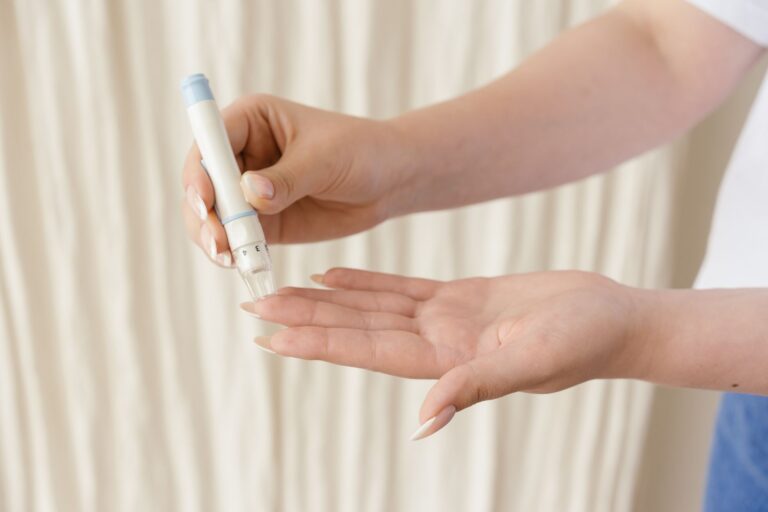
The 2026 WHO dementia guideline lists better control of high cholesterol as a core action to lower dementia risk. Adults in midlife can track dated lipid results and related health habits and review them with a clinician rather than self-diagnosing. High cholesterol means excess fatty material in the blood that can affect blood vessels. Dementia means ongoing loss of memory and thinking skills that interferes with daily life.
Medical information disclaimer: This article is for general educational purposes only and does not provide medical advice, diagnosis, or treatment. Always consult a physician or other qualified health professional about symptoms, medications, tests, or treatment decisions.
Official resources:
- Explore the official data from CDC — Use this primary source to review the underlying data.
- Read the original report from Medlineplus — Use this primary source to review the complete report.
Table of Contents
- What the new WHO guideline recommends
- Why midlife cholesterol matters for the brain
- What a cholesterol check actually measures
- How to track without self-diagnosing
What the new WHO guideline recommends
The World Health Organization released the second edition of its dementia risk-reduction guideline on 15 July 2026, its first update since 2019, as described in the WHO guideline publication page. The update finds up to 45 percent of dementia risk could be prevented or delayed.
United Nations News reporting on the guidance lists better management of high cholesterol, hypertension and diabetes, plus physical activity, diet, tobacco and alcohol measures, as core actions, according to the United Nations News report on the guidance. The message for midlife adults is direct. Control vascular risks early instead of waiting for memory symptoms.
Why midlife cholesterol matters for the brain
High LDL cholesterol in midlife carries a large share of later dementia cases. LDL is often called bad cholesterol because excess amounts can build up in arteries.
High LDL from around age 40 accounts for about 7 percent of dementia cases, tied with hearing loss as the largest single-factor share, according to the University of Washington summary of the Lancet evidence. The share is notable because cholesterol can be measured and managed. It does not mean cholesterol alone causes dementia.
What a cholesterol check actually measures
Adults can track cholesterol only through a clinician-ordered lipoprotein or lipid blood panel. The U.S. National Library of Medicine service MedlinePlus explains the panel in the MedlinePlus guide to cholesterol levels.
The report usually lists total cholesterol, LDL, HDL, non-HDL and triglycerides. HDL is often called good cholesterol because higher levels link to lower heart risk. Triglycerides are another blood fat. Most tests need fasting for 9 to 12 hours when the clinician instructs it.
How to track without self-diagnosing
High cholesterol has no symptoms. A lipid number alone does not diagnose dementia risk. The Centers for Disease Control and Prevention says most healthy adults need testing every 4 to 6 years, with more frequent testing for heart disease, diabetes or family history of high cholesterol.
Treatment choices, including food and activity changes or statins, need clinician judgment about total risk. The American Heart Association notes that reviewing cardiovascular habits with a clinician can clarify dementia-risk steps. A simple log helps that visit.
- Write the date, total, LDL, HDL, non-HDL and triglycerides from each lab report.
- Add blood pressure, blood sugar or diabetes control, weight, activity, diet, smoking and alcohol use.
- Note medicines, dose changes and missed doses without adjusting them alone.
- Bring the log to each visit and ask what changed since last time.
You Might Also Like
- Hearing Aids in the 2026 WHO Dementia Guideline: What Adults in Midlife Can Track Without Self-Diagnosing
- Diabetes in the 2026 WHO Dementia Guideline: What Adults in Midlife Can Track Without Self-Diagnosing
- Blood Pressure in the 2026 WHO Dementia Guideline: What Adults in Midlife Can Track Without Self-Diagnosing