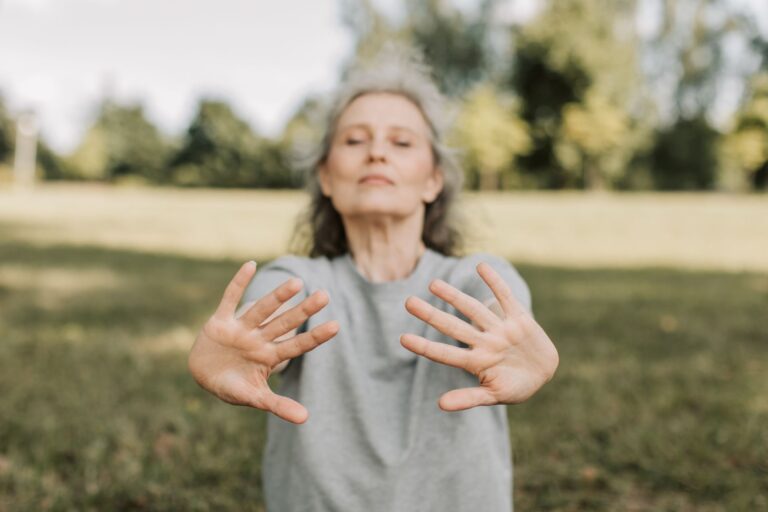
You can build balance training into a dementia prevention routine even with heart disease, diabetes, arthritis or frailty. The realistic pattern is daily movement plus leg strength and steadiness work two or three days per week. Balance training means exercises that improve steadiness on your feet, such as standing practice, tai chi, yoga and Pilates. It supports brain health as part of physical activity, and it directly lowers fall risk.
Medical information disclaimer: This article is for general educational purposes only and does not provide medical advice, diagnosis, or treatment. Always consult a physician or other qualified health professional about symptoms, medications, tests, or treatment decisions.
Table of Contents
- Why balance belongs in a brain-health plan
- How much movement and steadiness work to aim for
- What helps if falling is already a worry
- How to stay active with a chronic condition
Why balance belongs in a brain-health plan
Physical inactivity is one of 14 modifiable factors tied to nearly 45% of dementia cases worldwide, according to the 2024 Lancet Commission summarized by Emory Brain Health. Those factors also include hypertension, diabetes, hearing loss and high LDL cholesterol. That link makes movement a practical part of prevention, not an extra.
A meta-analysis of 58 studies with 257,983 participants tied physical activity to lower dementia risk, with follow-up of at least 20 years, as reported in The Lancet Commission 2024 report text. Relative risk was 0.80 for all-cause dementia and 0.86 for Alzheimer's disease. Balance work helps sustain that active pattern by keeping walking safe and confident.
How much movement and steadiness work to aim for
UK guidance recommends adults 65 and older stay active daily and break up sitting time, according to NHS guidance for older adults. The weekly target is at least 150 minutes of moderate activity or 75 minutes of vigorous activity. Strength, balance and flexibility work belongs on at least two days.
The World Health Organization's 2020 guidelines recommend varied multicomponent activity for older adults, described in the WHO guidelines summary in PMC. The advice emphasizes functional balance plus strength training at moderate or greater intensity on three or more days weekly. That schedule improves daily function and helps prevent falls.
What helps if falling is already a worry
Older adults who have fallen or fear falling should add exercises that build leg strength and confidence, according to the same NHS guidance. Named examples include tai chi, yoga and Pilates. Stronger legs make stairs, curbs and uneven sidewalks easier.
Evidence for tai chi is particularly strong for falls. A 2019 Cochrane review of 108 trials with 23,407 adults 60 and older found balance and functional programs including tai chi reduced falls, according to the NCCIH summary of Cochrane evidence. Tai chi reduced the number of people falling by about 20%, with high-certainty evidence. A local beginner class, senior-center program or physical-therapy referral is a sound starting point.
How to stay active with a chronic condition
For stable heart disease, diabetes, arthritis or frailty, clinicians should tailor activity and start gradually, according to the CMAJ review by Thornton and colleagues. The goal is progress toward 150 to 300 weekly minutes when able, including resistance training.
Age or frailty alone is not a reason to withhold exercise. A workable week can pair short walks with two focused sessions: Exercise lowers dementia risk but does not guarantee prevention or reverse established dementia. Keep blood pressure, blood sugar, cholesterol, hearing and medications managed alongside movement, and report chest pain, dizziness, new falls or unusual shortness of breath promptly.
- walk most days, with rest or chair support as needed
- practice standing balance and slow weight shifts
- add light resistance bands or body-weight leg work
- stretch calves, hips and ankles for steadier steps