After LatAm-FINGERS 2026, cross-cultural dementia risk programs are structured lifestyle programs adapted to local food, language, health care and daily life. Adults in midlife can track blood pressure, physical activity, diet patterns and vascular risks without self-diagnosing dementia. LatAm-FINGERS is a multidomain trial, meaning it combined several brain-health habits at once rather than testing one habit alone. The goal of tracking is to notice risks early and bring useful records to a clinician, not to judge memory or name a condition at home.
Medical information disclaimer: This article is for general educational purposes only and does not provide medical advice, diagnosis, or treatment. Always consult a physician or other qualified health professional about symptoms, medications, tests, or treatment decisions.
Table of Contents
- What did LatAm-FINGERS test?
- What can you track without self-diagnosing?
- Why did coaching beat general advice?
- When should tracking become a medical visit?
What did LatAm-FINGERS test?
The trial enrolled 1,065 adults ages 60-77 at elevated dementia risk across 11 Latin American countries. After two years, both culturally adapted lifestyle programs improved memory and thinking, with structured coaching outperforming general advice, according to the Alzheimer's Association in its AAIC release.
The structured program combined supervised exercise, dietary counseling, cognitive training, vascular-risk management and regular social support and coaching. The comparison group received periodic health education alone, according to UT Health San Antonio School of Public Health in its study summary.
What can you track without self-diagnosing?
Tracking means recording habits and numbers over time. It does not mean scoring your own memory or deciding whether symptoms equal dementia.
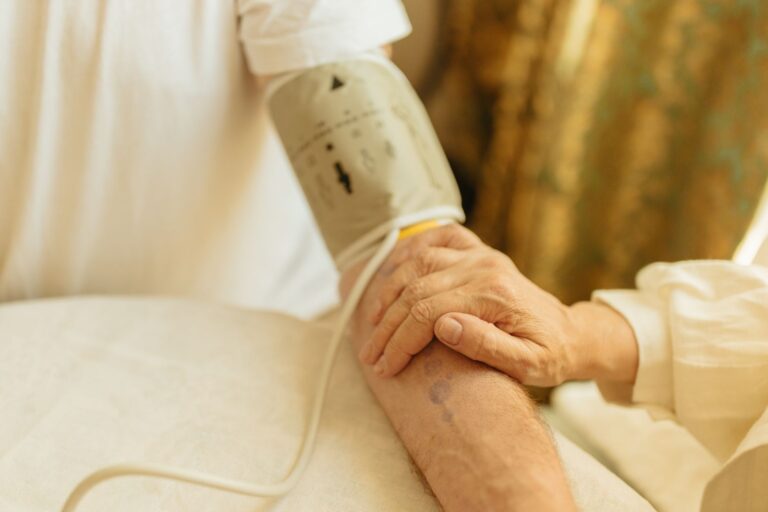
Useful records for midlife adults include: These items are practical because high blood pressure and low aerobic activity are common and measurable. Among U.S. adults 45 and older, CDC found high blood pressure at 49.9% and not meeting aerobic-activity guidelines at 49.7%, according to CDC in its MMWR report.
- Blood pressure from home or clinic checks, plus dates and medicines
- Aerobic minutes, strength days and daily steps
- Eating pattern, weight, smoking, alcohol, sleep and mood
- Hearing changes, cholesterol, blood sugar and diabetes care
- Family observations about memory, language or judgment
Why did coaching beat general advice?
General advice tells people what helps. Coaching helps people do it regularly, adjust for setbacks and stay connected. LatAm-FINGERS reflects the same pattern seen in U.S. POINTER, a two-year multisite trial in at-risk older Americans where both lifestyle arms improved cognition and the higher-structure, coached arm improved global cognition more.
The U.S. structured routine included aerobic activity four times weekly, MIND-diet eating, computerized brain training and regular blood-pressure, weight and lab checks. For midlife readers, the lesson is to choose one clear routine and support. Pick fixed exercise days, a simple eating plan, a regular sleep window and a check-in person. Bring the log to primary care rather than judging progress by daily memory slips.
When should tracking become a medical visit?
Tracking becomes a visit when memory, thinking or behavior changes persist, worry you or disrupt work, money management, driving or relationships. Do not wait to prove decline with home tests.
The Alzheimer's Association says anyone noticing its 10 warning signs should schedule a medical appointment because many conditions mimic dementia and early evaluation enables treatment, planning and support. Write down what changed, when it started, medicines, sleep, hearing, mood and blood-pressure readings.
You Might Also Like
- Serious Illness and End-of-Life Dementia Research Priorities in 2026: What Family Caregivers Can Check in Their Community
- Maine’s 2026 ECHO Training for Dementia Risk Reduction: What Comes Next for Family Caregivers
- UAS-CLEAR Dementia Care Research Data Priorities in 2026: What Is Established and What Remains Uncertain for Adults With Memory Concerns