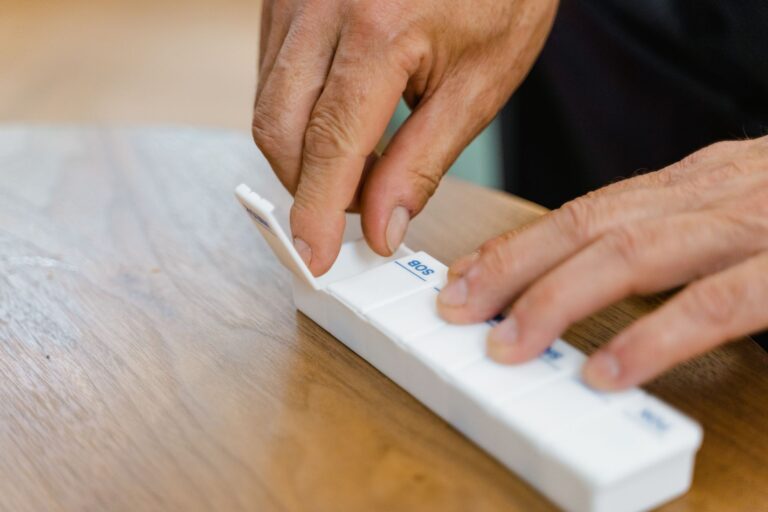
Caregivers prepare for a Parkinson's disease dementia diagnosis appointment by attending the visit, bringing a current medication and symptom record, and reporting observed changes. They also take notes, ask questions, and help the person with Parkinson's take part in decisions. Parkinson's disease dementia means cognitive decline that impairs daily living after years of motor symptoms. It can bring trouble with multitasking and planning, visuospatial problems, and hallucinations or delusions.
Medical information disclaimer: This article is for general educational purposes only and does not provide medical advice, diagnosis, or treatment. Always consult a physician or other qualified health professional about symptoms, medications, tests, or treatment decisions.
Table of Contents
- What should you bring?
- What is your job during the visit?
- What will the evaluation cover?
- How do timing and follow-up planning help?
What should you bring?
Pack a current medication list with dosages and timing, plus notes on symptoms and changes since the last visit. The Parkinson's Foundation says caregivers should also bring prepared questions and insurance and contact information in its care-partner appointment pointers.
For a dementia evaluation, add a log of symptoms or behavior changes. Include medical-condition history and any prior psychiatric treatment history.
- Current drugs, over-the-counter products, vitamins, and dose times
- Dated examples of memory, thinking, behavior, sleep, and mood changes
- Treatment effects and side effects you have observed
- Questions, insurance details, and contact information
What is your job during the visit?
Describe what you see at home, including onset, frequency, and effect on daily tasks. Give concrete examples, such as missed bills, unsafe cooking, getting lost, or new suspicion and visions. Take notes on findings, terms, and next steps.
Ask what a proposed test or drug change should show, when to report back, and which symptom warrants a sooner call. Support participation by the person with Parkinson's. Pause for extra response time, repeat key points in plain words, and check which decisions need more time.
What will the evaluation cover?
Clinicians review medical and social history, all prescription and nonprescription products, and herbal and vitamin products. The American Geriatrics Society says the exam also tests attention, memory, and decision-making and uses labs and brain scans when needed in its dementia diagnosis and testing guide. The workup looks for reversible causes such as infection, low B12, or thyroid disease.
It also checks factors that can mimic dementia, including mood problems, sleep disorders, medications, and other medical conditions. There is no single test for Parkinson's disease dementia, so diagnosis is clinical. The Parkinson's Foundation advises seeing a specialist or geriatric physician familiar with Parkinson's dementia and Lewy body dementia in its guide to dementia care and research.
How do timing and follow-up planning help?
Schedule the visit when Parkinson's symptoms are best controlled. Morning appointments often work better, and bring snacks, water, glasses, hearing aids, and a comfort item for waiting. Start healthcare and financial preference and legal planning early.
Cognitive decline can affect daily activities, work, and safety, so name contacts, locate key papers, and clarify who can speak with the clinic. Leave with a written plan. Confirm the diagnosis term used, other causes ruled out, medication changes, safety limits for driving and home tasks, and the date for review.