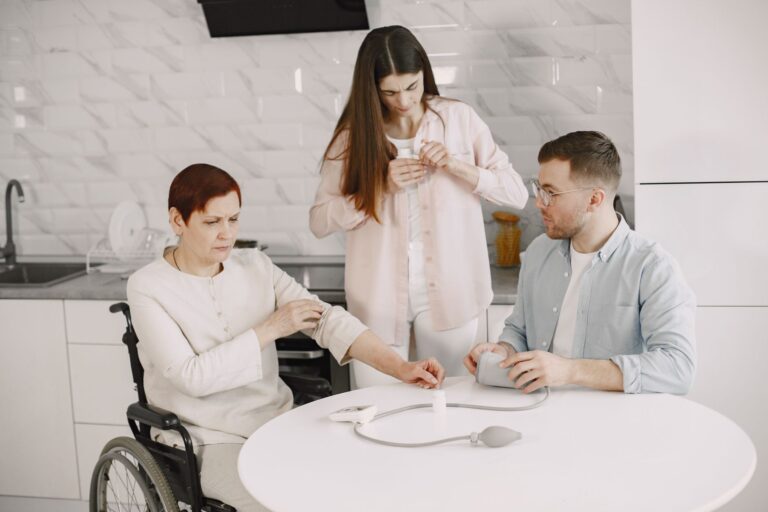
No, Parkinson's disease dementia alone does not automatically qualify you for Medicare home health benefits. You can still qualify if you meet Medicare's standard rules for homebound status and skilled care need. Parkinson's disease dementia means cognitive changes severe enough to impair daily living, after a year or more of Parkinson's motor symptoms. Those changes often create needs for skilled monitoring, therapy, or caregiver education.
Medical information disclaimer: This article is for general educational purposes only and does not provide medical advice, diagnosis, or treatment. Always consult a physician or other qualified health professional about symptoms, medications, tests, or treatment decisions.
Official resources:
- Check eligibility on Medicare’s official study page — Use this page to check the study’s participation requirements.
- Read the official notice from CMS — Use this primary source to verify the official announcement.
Table of Contents
- What does Medicare require to qualify?
- Can care that only slows decline qualify?
- Which home services are covered?
- What limits should families plan for?
What does Medicare require to qualify?
You must have trouble leaving home without help, such as a cane, walker, wheelchair, special transportation, or another person. You must normally be unable to leave home without great effort.
A doctor or allowed provider must see you face-to-face, order home care, and send you to a Medicare-certified home health agency for part-time or intermittent skilled services, according to the U.S. Centers for Medicare & Medicaid Services via Medicare's home health coverage page. A dementia diagnosis does not replace these steps.
Can care that only slows decline qualify?
Yes, when skilled care is needed. Medicare can cover skilled nursing and therapy to maintain current function or prevent or slow decline, not only when improvement is expected.
That rule comes from the January 2013 Jimmo settlement, described by the Centers for Medicare & Medicaid Services in its Jimmo Settlement FAQs. Dementia is explicitly not a disqualifying condition when skilled personnel are needed for safe, effective delivery and other criteria are met.
Which home services are covered?
Covered services include part-time skilled nursing, physical therapy, occupational therapy, and speech-language therapy. Medical social services are also covered.
For Parkinson's disease dementia, that may mean nursing to monitor symptoms and medicines, therapy to support movement, daily tasks, speech, and swallowing, and social services to coordinate care. Aide help is covered only while skilled care is also provided.
What limits should families plan for?
Medicare does not pay for 24-hour home care, home meal delivery, or homemaker services unrelated to care. It also does not cover custodial care when that is the only need, according to the U.S.
Centers for Medicare & Medicaid Services via Medicare's home health coverage page. Ask the doctor for a face-to-face visit, a home health order tied to a skilled need, and a referral to a Medicare-certified agency. Bring a list of falls, confusion, swallowing problems, medicine issues, and daily tasks that now need help.