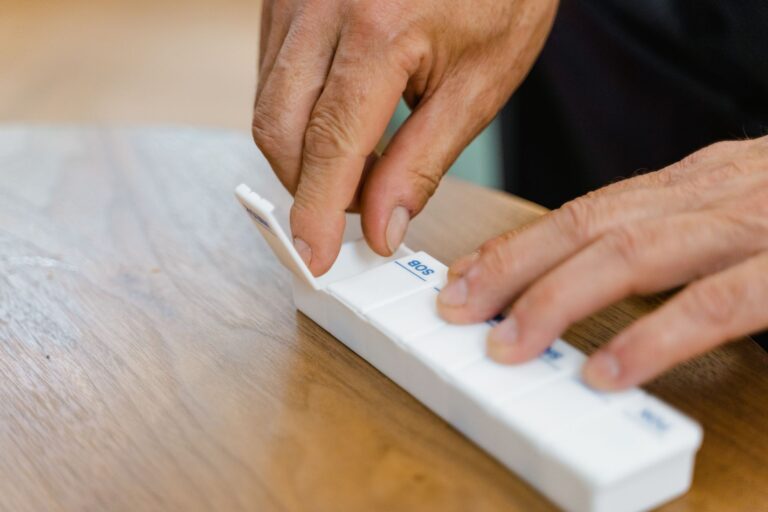
Caregivers choose a neurologist for Parkinson's disease dementia by making a movement disorder specialist the leader of the care team. They use referrals, insurance checks, and questions about training and caseload to find the right fit. Parkinson's disease dementia means thinking changes that appear at least one year, usually several years, after Parkinson's motor symptoms begin. It affects attention, visual interpretation, memory, language, and reasoning, and it requires help with daily activities.
Medical information disclaimer: This article is for general educational purposes only and does not provide medical advice, diagnosis, or treatment. Always consult a physician or other qualified health professional about symptoms, medications, tests, or treatment decisions.
Table of Contents
- Why a movement disorder specialist leads care
- When to combine local and specialist care
- What a good dementia evaluation includes
- Practical steps for choosing the neurologist
Why a movement disorder specialist leads care
A movement disorder specialist is a neurologist with one to two years of extra fellowship training in Parkinson's disease. That training covers motor and non-motor symptoms, including dementia, with individualized care. The Parkinson's Foundation strongly advises making this specialist the leader of the Parkinson's care team, according to the Foundation's specialist fact sheet.
The reason is direct experience with diagnosis, medications, side effects, and clinical trials. That experience is linked to better outcomes. Newly diagnosed patients who saw a neurologist were 20% less likely to die or need nursing-home placement after six years. They were also 14% less likely to fracture a hip after one year.
When to combine local and specialist care
Distance does not have to block specialist care. Caregivers far from academic centers can use a knowledgeable local general neurologist for routine visits. They can travel to a specialist two to three times yearly for oversight. This split model keeps day-to-day care close to home.
It still gives the person with Parkinson's regular review from someone who manages many similar cases. Ask both doctors how they will share notes, medication changes, and plans for thinking changes. Keep the specialist informed between oversight visits. Bring a current medication list, fall or sleep changes, hallucinations, and examples of confusion or lost daily skills. Clear updates help the specialist adjust care faster.
What a good dementia evaluation includes
About one-fourth of diagnosed Parkinson's patients develop dementia, defined as cognitive symptoms severe enough to require help with daily activities, according to the University of Utah Health overview. Mild impairment does not meet that definition. A careful evaluation sorts out which stage applies. Expect the doctor to interview both the patient and the primary caregiver.
Caregiver reports matter because memory loss can hide the full pattern. Bring notes on attention lapses, visual mistakes, language trouble, and reasoning problems, as described in the Cleveland Clinic overview. Testing often includes neuropsychological testing of executive function, attention, visuospatial ability, memory, and language. Results guide safety planning, home support, and medication choices. Ask what each test result changes in daily care.
Practical steps for choosing the neurologist
Start with a referral from the primary care doctor. Check the insurance network before booking.
Call 1-800-4PD-INFO for local specialists. Use the first call or visit to ask focused questions: Choose the doctor who answers clearly, welcomes caregiver input, and explains next steps in plain words. Schedule the dementia evaluation, confirm how to report side effects, and set the date for the next review.
- Did you complete fellowship training in movement disorders?
- How many Parkinson's patients do you treat?
- Who do you refer to for neuropsychology, therapy, and home support?