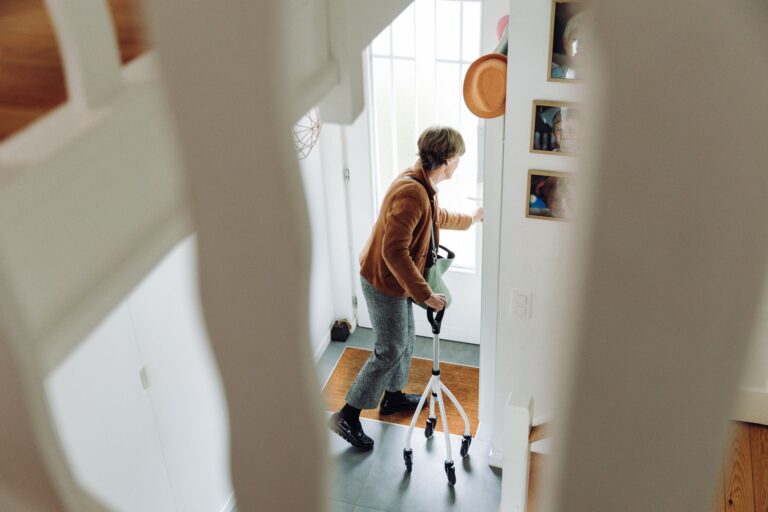
HIV-associated dementia is major loss of thinking, speech, movement, and daily function caused by widespread HIV infection in the brain. For caregivers, daily care centers on protecting HIV treatment adherence, supervising medications, money, and driving, and making the home safe. HIV enters the brain early in infection, but severe dementia usually appears in advanced untreated disease. Clinicians describe a spectrum from silent impairment to mild disorder to dementia with major functional loss.
Medical information disclaimer: This article is for general educational purposes only and does not provide medical advice, diagnosis, or treatment. Always consult a physician or other qualified health professional about symptoms, medications, tests, or treatment decisions.
Table of Contents
- What symptoms should caregivers watch for?
- Who faces the highest risk?
- Why does HIV treatment matter most for the brain?
- How can you support daily tasks without taking over too soon?
- How do you keep home and driving safe?
What symptoms should caregivers watch for?
Common changes include memory loss, trouble thinking clearly and concentrating, and difficulty speaking clearly. The person may lose interest in prior activities. Coordination and motor skills often decline gradually. In daily life, this can look like repeated questions, lost steps in familiar tasks, and slower or unsteady movement.
Speech may become less clear. Apathy can resemble depression, so track when changes started and what has worsened. According to Johns Hopkins Medicine, severe cases reflect worsening brain infection as cognitive decline advances, described in the Johns Hopkins overview of HIV and dementia. Use notes on missed doses, falls, near-misses while driving, and money mistakes to give the medical team clear examples.
Who faces the highest risk?
Risk is highest without effective HIV treatment and at very low CD4 counts, commonly under 200 cells per microliter. Severe cognitive loss can sometimes be the first sign of AIDS. That makes missed treatment, interrupted care, and late diagnosis especially concerning. Risk is not fixed by one test result alone.
Immune status, viral load, other brain infections, depression, medication effects, and aging can all affect thinking. Caregivers should seek prompt medical evaluation rather than assume HIV dementia. Diagnosis requires history, neurologic exam, CD4 and viral-load testing, and exclusion of other causes. Bring a medication list, substance-use history, mood changes, fever, headache, and recent infections to the visit.
Why does HIV treatment matter most for the brain?
Combination antiretroviral therapy is the cornerstone of treatment because suppressing viral load and restoring immunity can prevent, delay, or partly reverse symptoms. Strict adherence is the most effective cognitive protection.
Missing doses allows HIV to harm the brain and body again. According to the UCSF Memory and Aging Center, viral suppression and immune recovery support cognitive protection, explained in the UCSF guide to HIV-related cognitive impairment. Caregivers help most by making every dose easier to take correctly and on time.
- Keep pills in one visible organizer and refill before running out.
- Use phone alarms, checklists, and a simple dosing log.
- Watch for side effects, confusion about changes, and pharmacy gaps.
- Call the HIV team quickly about missed doses or new thinking changes.
How can you support daily tasks without taking over too soon?
Cognitive impairment directly harms medication management, financial handling, and driving. Match help to current ability. Supervise dosing, review bills and bank activity together, and reassess driving fitness when lapses appear.
Simplify choices and routines. Keep instructions short, keep appointments and pills on one calendar, and reduce noise during important tasks. Praise completed steps. Shift more control to the caregiver only when safety, money, or health is at risk.
How do you keep home and driving safe?
Evaluate the home for fall hazards and unpredictable behavior. Secure medications and dangerous objects. Avoid leaving the person alone when impaired.
Review driving safety early and often. According to the VA Dementia Caregiver program, these home and driving checks reduce injury risk, as outlined in the VA Dementia Caregiver safety guide. Act before a crash, fall, overdose, or wandering event forces the decision.
- Clear cords, rugs, clutter, and poor lighting on stairs and bathrooms.
- Lock medicines, cleaning products, tools, knives, and firearms.
- Stay present for cooking, bathing, and outings when judgment is poor.
- Stop driving when there are dents, lost routes, slow reactions, or family concern, and ask the clinician for a formal fitness review.