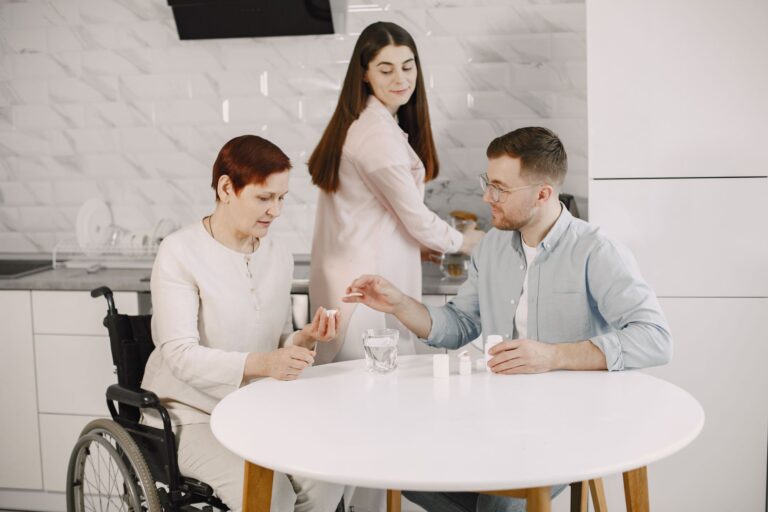
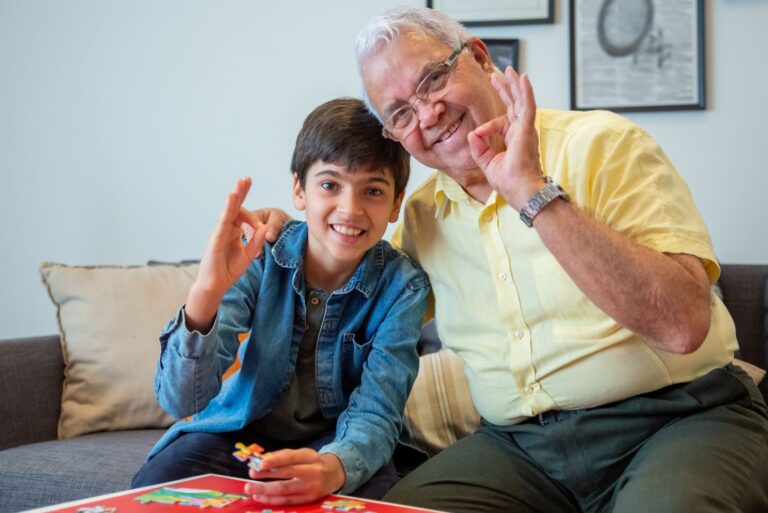
A dementia-friendly toy gives an adult with dementia calm, failure-free sensory engagement that eases agitation. A regular children's toy teaches a child a new skill or developmental milestone.
A dementia-friendly toy means an adult-oriented product designed for comfort, familiarity, and restless hands rather than learning. It looks, feels, and functions differently because the user is different. The person using it has a lifetime of memories, a need for dignity, and a lower tolerance for frustration or complex rules.
Medical information disclaimer: This article is for general educational purposes only and does not provide medical advice, diagnosis, or treatment. Always consult a physician or other qualified health professional about symptoms, medications, tests, or treatment decisions.
Table of Contents
- How does the purpose differ?
- Why does the design look adult?
- What safety details matter most?
- How do you match the toy to the person?
How does the purpose differ?
A dementia-friendly toy prioritizes soothing the present moment. It offers texture, rhythm, music, or gentle companionship without scoring, levels, or correct answers. Always Home Connected reports that this calm sensory focus reduces agitation, unlike children's toys built for milestones calm sensory guide. A children's toy rewards practice and mastery.
Puzzles get harder, blocks build higher, and dolls invite imaginative stories. For dementia, that learning pressure can cause anxiety and withdrawal. Choose comfort over challenge. If an object invites holding, stroking, humming along, or simple repetition, it fits the dementia-friendly goal.
Why does the design look adult?
Dementia products use nostalgic, adult-looking designs to protect dignity. Examples include knitted fiddle muffs, wooden puzzles with familiar scenes, and lifelike robotic cats or dogs. Helping Hands Home Care, citing Dementia UK, contrasts these respectful designs with bright colors and cartoon characters made for children doll therapy guidance. Fiddle muffs and books show this difference clearly.
They include zippers, beads, sequins, ribbons, and varied fabrics for restless hands. A child's busy board may look similar, but the dementia version avoids childish prints and noisy competition. Companion dolls and animatronic pets serve a similar role. They foster attachment, purpose, and conversation rather than imaginative play. Holding, brushing, naming, or talking to them may reduce distress for some people.
What safety details matter most?
Adults with dementia may mouth, chew, or pull items apart. Dementia toys therefore need large size, durable seams, non-toxic washable materials, and no detachable small parts, used with supervision. The NeuroLaunch guide lists these features as core selection criteria for dementia use dementia toy safety guide. Caregivers often borrow the under-3 rule from child safety.
U.S. safety rules ban small parts in toys for children under 3 because of choking risk. Many caregivers apply the same sizing and sturdiness check to dementia toys. Check before each use:.
- Seams, buttons, beads, and batteries stay firmly attached
- Surfaces wash clean without sharp edges or peeling paint
- Weight feels manageable without strain or dropping risk
- Sound and motion stay gentle, with off switches easy to reach
How do you match the toy to the person?
Match the object to dementia stage and personal history. The Alzheimer's Foundation of America recommends familiar music, photos, or tactile tasks, and warns that items too complex provoke frustration while items too simple fail to engage stage activity guide. A former gardener may respond to textured leaves and seed sorting. A former office worker may prefer zippers, clasps, and fabric sorting.
A music lover may calm with sing-along songs from youth rather than a new game with instructions. Watch the response and adjust quickly. Continued handling, humming, smiling, or relaxed shoulders signals fit. Pushing away, frowning, pacing, or increased calling out signals mismatch, overstimulation, or fatigue. Toy and doll therapy does not suit everyone, so seek consent where possible and monitor for infantilization feelings, over-attachment, or distress.