When a low-energy day drains interest in a familiar music session, the better move is not to drop activities but to swap in something gentler. The Alzheimer's Association recommends modifying an activity to match a person's current ability rather than skipping engagement altogether, which can also ease agitation or wandering on harder days. A flat reaction to music doesn't always mean the person has lost interest in sound or company. It may simply mean the activity needs to be smaller, quieter, or built around touch and scent instead of melody.
Medical information disclaimer: This article is for general educational purposes only and does not provide medical advice, diagnosis, or treatment. Always consult a physician or other qualified health professional about symptoms, medications, tests, or treatment decisions.
Table of Contents
- Why a Familiar Session Can Suddenly Fall Flat
- Multisensory Rooms as a Non-Musical Option
- Touch-Based Options: Hand Massage and Aromatherapy
- Simple Tactile and Reminiscence Activities
- Choosing Among the Alternatives
- Frequently Asked Questions
Why a Familiar Session Can Suddenly Fall Flat
Timing and complexity, not waning interest, are usually behind a session that no longer lands. The Alzheimer's Association advises trying the same activity again later in the day or substituting something simpler, such as handing the person a cloth if they're already rubbing a table, rather than concluding they no longer enjoy it. Dementia also affects energy and attention unevenly across a day, so what worked in the morning can ask too much by afternoon.
A session that once felt soothing can start to feel like one more task to follow. Hearing loss is a separate, common factor. Caregiving guidance from Home Instead UK notes that many people with dementia have hearing impairment, which should shape any auditory activity offered and is one more reason a low-energy day might call for a non-auditory alternative.
Multisensory Rooms as a Non-Musical Option
A multisensory room, sometimes called a Snoezelen room, uses soft lighting, textures, and scents instead of sound to create a calm environment. A 2014 controlled trial in the *American Journal of Alzheimer's Disease and Other Dementias* randomized 30 institutionalized residents to a multisensory room, individualized non-musical activities, or a control group, with two 30-minute sessions a week for 16 weeks in each active arm. A 2016 randomized trial in the *Journal of Alzheimer's Disease* compared a multisensory environment directly against individualized music in 22 people with severe dementia.
Agitation improved in both arms with no significant difference between them, while the multisensory group showed somewhat better gains in anxiety. A larger 2019 Spanish study of 84 people with dementia found that a Snoezelen multisensory-room group had a bigger drop in anxiety, depression, and agitation than a reminiscence-therapy control group. Together, these studies suggest a quiet room built around light, texture, and scent can match or exceed what a music session offers on a day when sound isn't welcome.
Touch-Based Options: Hand Massage and Aromatherapy
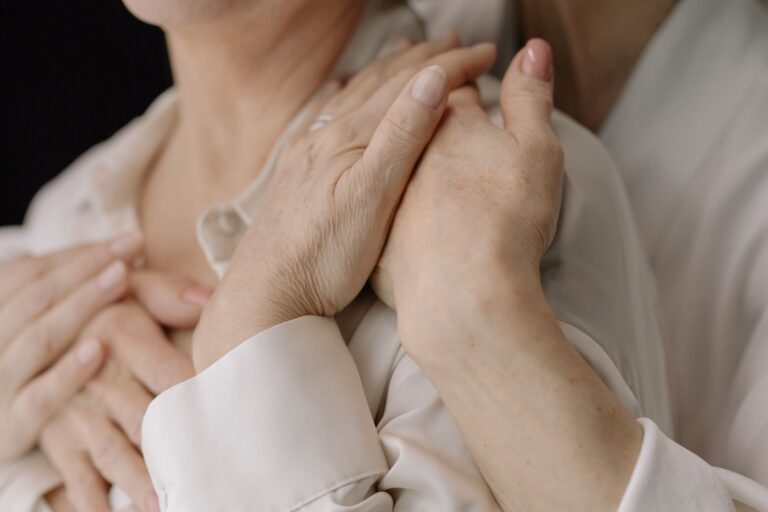
Hand massage is a low-demand alternative that asks nothing of the person beyond sitting still for a few minutes. A pilot randomized trial gave 40 patients in an acute geriatric psychiatry unit seven hand massages over three weeks, tracking effects on agitation and stress markers as a touch-based, non-musical option. The evidence for hand massage is encouraging but not settled.
A Cochrane-derived summary covering two trials totaling 110 subjects found that hand massage produced a greater reduction in agitated behavior than no treatment in one trial, but rated the overall evidence as low-certainty. Aromatherapy alone has a weaker track record. A six-week trial of 67 long-term care residents with disruptive behavior compared aromatherapy plus hand massage, aromatherapy alone, and a water-spray placebo twice daily, and none of the three significantly reduced disruptive behavior. Pairing scent with touch, rather than offering scent on its own, appears to be where the benefit lies.
Simple Tactile and Reminiscence Activities
Not every alternative needs a formal program. The Alzheimer's Association points to small substitutions, like a cloth to fold or rub, a familiar object to hold, or a photo to look at, as ways to keep a person engaged without the structure a music session requires. Guidance from Home Instead UK stresses individualizing these choices to the person's own preferences and abilities, whether that means a particular scent, a textured fabric, or a reminiscence object tied to their past.
A worn sweater, a pinecone, or a piece of worn wood can hold someone's attention longer than a new activity picked for its novelty alone. Reminiscence objects work well because they ask for recognition rather than new learning. Handing someone a familiar item and letting them handle it at their own pace can fill the same calming role a music session once did, without requiring volume, lyrics, or rhythm.
Choosing Among the Alternatives
A short comparison can help match the alternative to the day: Each option trades the auditory and social elements of a music session for something quieter and less demanding, which is the point on a low-energy day. The best choice on any given day comes down to what that person's current state seems to tolerate, not which option has the strongest study behind it.
- **Multisensory room or corner** — best when the person seems overstimulated by sound or activity; needs a dim space, soft textures, and a few scents on hand.
- **Hand massage** — best for a person who tolerates touch well and is agitated or restless; needs only a few quiet minutes and no equipment.
- **Simple tactile task** — best for someone who wants to keep their hands busy; a cloth, fabric scrap, or familiar object works.
- **Reminiscence object** — best when the person responds to recognition over activity; a photo, keepsake, or worn personal item works well.
Frequently Asked Questions
Does skipping a music session mean giving up on engagement altogether?
No. The Alzheimer's Association recommends modifying the activity to the person's current ability rather than dropping engagement entirely.
Is hand massage proven to reduce agitation?
The evidence leans positive but is limited. A Cochrane-derived summary of 110 subjects rated it low-certainty, while a separate trial used it to track agitation and stress markers directly.
Should aromatherapy be used on its own?
A six-week trial of 67 residents found aromatherapy alone did not significantly reduce disruptive behavior, so pairing it with touch, such as hand massage, is better supported.