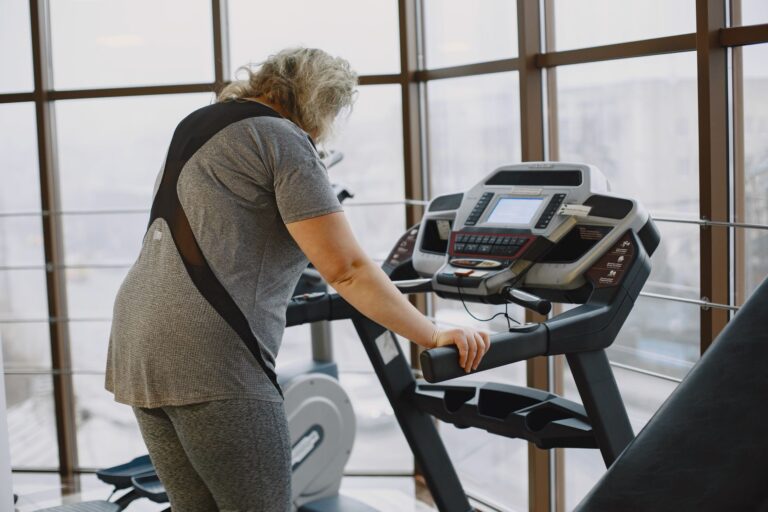
Start aerobic exercise safely in midlife by getting medical clearance if you have risk factors, then building gradually toward 150 minutes of moderate activity a week rather than starting at that level. This approach protects your joints and heart while giving your brain the sustained activity linked to slower cognitive decline. Midlife is the window when inactivity does the most damage to long-term brain health, and it's also when starting an exercise habit is safest and most effective. The guidance below comes from major health authorities and recent brain-aging research, translated into a practical starting plan.
Medical information disclaimer: This article is for general educational purposes only and does not provide medical advice, diagnosis, or treatment. Always consult a physician or other qualified health professional about symptoms, medications, tests, or treatment decisions.
Table of Contents
- How much aerobic exercise do you actually need?
- Who should see a doctor before starting?
- How to build up without getting hurt
- What aerobic exercise does for the brain in midlife
- Why midlife timing matters for dementia risk
How much aerobic exercise do you actually need?
Adults should aim for 150 to 300 minutes of moderate-intensity aerobic activity per week, or 75 to 150 minutes of vigorous activity, or an equivalent combination, according to WHO's 2020 physical activity guidelines. That time should be spread across the week — several shorter sessions rather than one long workout on the weekend. If 150 minutes sounds unreachable right now, it doesn't need to be your starting point.
The same WHO guidelines state that any amount of activity is better than none, and that health benefits begin accruing well below the full target. Someone who has been sedentary should start with short sessions — even 10 to 15 minutes — and build toward the full amount over weeks or months, rather than waiting until they can do it "properly." Moderate intensity is easy to self-check without any equipment. The talk test, described by the University of Iowa's Community and Health program, says that if you can talk in full sentences but not sing, you're working at a moderate pace. If you can't talk without pausing for breath, you're pushing too hard for a beginner and should ease off.
Who should see a doctor before starting?
Not everyone needs a medical visit before lacing up walking shoes, but some midlife adults do. The Mayo Clinic Care Network advises checking with a doctor first if you've been inactive for six months or more, if you're a man over 40 or a woman over 50 who hasn't had a physical exam in two years, or if you have heart disease, high blood pressure, diabetes, or a family history of early cardiovascular death. None of these conditions rule out exercise — they simply mean a doctor should help set the starting intensity and flag anything to watch for, such as chest pain, dizziness, or unusual shortness of breath.
- Inactive for 6+ months: get cleared before starting a structured program.
- Man 40+ or woman 50+ with no physical in two years: schedule a checkup first.
- Existing heart disease, high blood pressure, or diabetes: discuss intensity limits with your doctor.
- Family history of early cardiovascular death: the same conversation applies even if you feel healthy.
How to build up without getting hurt
The most common reason beginners quit is injury from doing too much too soon. Physical therapists recommend increasing weekly duration or distance by about 10% at a time, or 5% for true beginners, and changing only one variable at once — time, distance, or speed — according to PTSMC Physical Therapy & Sports Medicine Centers. In practice, that means if you walk 20 minutes three times this week, next week you'd add roughly one to two minutes per session rather than jumping to 30 minutes.
Once your body adapts to the new duration, you can raise speed slightly, but not duration and speed in the same week. This slower pace feels unsatisfying at first, but it's what keeps midlife beginners — whose joints and recovery capacity differ from a 25-year-old's — exercising consistently instead of sidelined by a strain. A simple starting structure: walk briskly three to five days a week, using the talk test to stay in the moderate zone, and add time before adding intensity. Consistency over months matters more than any single week's total.
What aerobic exercise does for the brain in midlife
The case for starting in midlife specifically, not just "eventually," comes from research tracking brain changes directly. A 2025 randomized trial led by Kirk Erickson's team found that midlife-to-older adults who completed a year-long aerobic program had their brain-age scores drop by about 0.6 years, while a control group's brain-age scores rose by roughly 0.35 years — nearly a full year of difference between the groups. Fitness, blood pressure, body composition, and a brain-growth protein called BDNF all improved with training in that trial, though the researchers couldn't statistically pin the brain-age improvement on any single one of those changes.
They described the effect as modest in their healthy, well-educated study sample and called for larger, longer trials, as reported by ScienceDaily. A separate meta-analysis of 14 exercise trials covering 737 participants, from researchers at Western Sydney University and the University of Manchester, found that aerobic exercise slowed overall brain-volume loss and produced significant growth in the left hippocampus — the brain region central to memory — though total hippocampal volume didn't change significantly, according to the NeuroImage study. Together, these findings point to measurable, if modest, structural brain benefits from sustained aerobic activity rather than vague "exercise is good for you" advice.
Why midlife timing matters for dementia risk
The 2024 Lancet Commission on dementia named physical inactivity as one of 14 modifiable risk factors and estimated that addressing all 14 together could prevent or delay up to 45% of dementia cases worldwide, as reported by Alzheimer Europe. Midlife is when several of those risk factors — inactivity, high blood pressure, and excess weight among them — are still reversible rather than entrenched.
Starting an aerobic habit now doesn't guarantee avoiding dementia, but it places you among the modifiable-risk group the Commission's estimate is built on, rather than leaving physical activity as ground you concede. Combined with the brain-aging and hippocampal findings above, the evidence points toward midlife activity as a cumulative investment: the structural changes measured in a one-year trial are a starting point, not a ceiling, for someone who keeps the habit going for years.