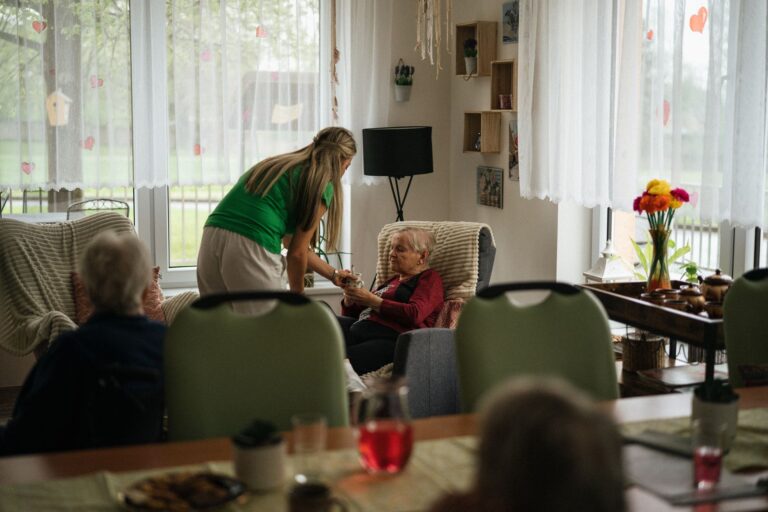
Dating again when your spouse has dementia means seeking companionship while still married to a partner whose memory and personality have changed. It is a personal decision shaped by grief, care duties, and legal limits, not a sign of failure.
Spouses often feel lonely as shared closeness fades. The Alzheimer's Association says cognitive decline can remove emotional and physical intimacy and change sexual drive, leaving well spouses lonely or rejected in its relationship-changes guidance. That ongoing mourning is often called anticipatory grief, meaning grief for a living partner who has changed.
Medical information disclaimer: This article is for general educational purposes only and does not provide medical advice, diagnosis, or treatment. Always consult a physician or other qualified health professional about symptoms, medications, tests, or treatment decisions.
Table of Contents
- Why does the marriage feel different now?
- Is wanting to date disloyal?
- What legal facts matter before you date?
- How can you move forward carefully?
Why does the marriage feel different now?
Dementia can end small daily exchanges that made the marriage feel mutual. Conversation shortens. Humor, affection, and planning together shrink. The well spouse may become a manager of pills, meals, and safety. Loss of companionship can bring sadness, anger, and exhaustion.
A 2024 study in the Journal of the American Geriatrics Society found spouses face profound loneliness, anticipatory grief, and depression tied to lost companionship and poorer marital quality in its peer-reviewed report. The authors urge validation plus referral to psychologists or dementia-trained social workers. Support helps name what changed. A counselor can separate love for the partner from hunger for adult company. Friends and faith groups can offer breaks, meals, and listening time.
Is wanting to date disloyal?
Wanting company does not erase years of care. Many spouses miss touch, talk, laughter, and being known. Desire for a walk partner, dinner companion, or new romance can sit beside loyalty. Guilt is common and strong. Some adult children object.
Some friends judge. Others quietly understand. Your values, vows, culture, and family ties will shape what feels right. Talk early with trusted people. A therapist can help with guilt and role change from spouse to caregiver. A support group lets you hear how others set limits around time away, honesty, and privacy.
What legal facts matter before you date?
Marriage still carries financial and care duties while your spouse lacks capacity. Dating does not end those duties. Money, housing, medical choices, and paid care may still rest with you. Divorce has strict safeguards.
Family-law guidance from Barker Gotelee Solicitors states a spouse who lacks mental capacity cannot legally consent to divorce or a financial settlement in its divorce and capacity guidance. Divorce then needs medical evidence and a court-approved litigation friend or guardian ad litem acting in that spouse's best interests. That process is slow and public. It can affect property, pensions, benefits, and care funding. Get advice before filing, moving funds, or signing new agreements.
How can you move forward carefully?
Pause for care coverage first. Your spouse needs safe supervision during any time away. A new relationship should not leave gaps in meals, medicine, or night care.
The National Institute on Aging urges caregivers considering new companionship to join a support group, seek counseling for guilt and role changes, and get legal advice on finances and caregiving duties in its caregiving help guidance. Use those three checks as a baseline: Tell a few key family members what you plan. Keep early meetings brief, local, and separate from care routines. Speak with an elder-law attorney before changing accounts, housing, or care arrangements.
- Join a caregiver support group and discuss boundaries and time.
- Seek counseling for guilt, grief, and changing roles.
- Get legal advice on money, benefits, and care duties before dating.