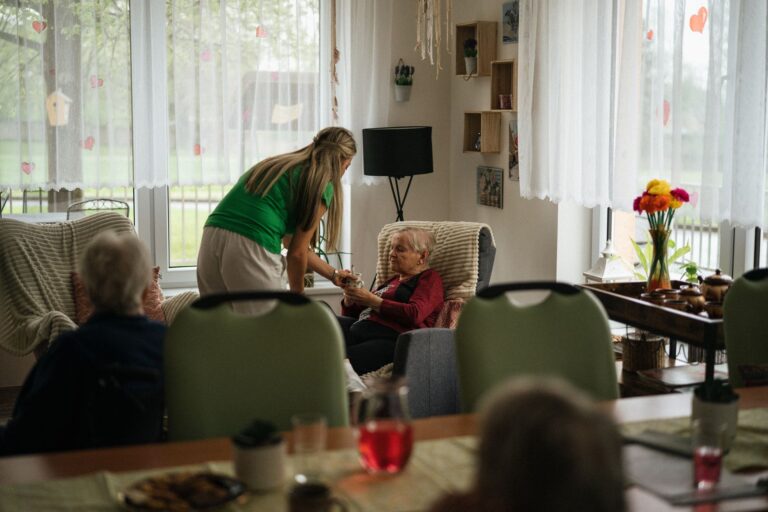
When a teenager is the only caregiver at home, a person with dementia relies on a child for meals, hygiene, safety, and daily supervision. A caregiving youth is a person under 18 who provides regular hands-on care for a family member.
The gap often starts with work hours, a single-parent home, or an adult illness. The teen stays present, so the need looks covered. The risk is that one child carries full responsibility without backup.
Medical information disclaimer: This article is for general educational purposes only and does not provide medical advice, diagnosis, or treatment. Always consult a physician or other qualified health professional about symptoms, medications, tests, or treatment decisions.
Table of Contents
- What sole care looks like at home
- Why school and mood slip first
- Which tasks need an adult now
- How to build backup around the teen
- What counts and supports are still limited
What sole care looks like at home
The UCLA Center for the Developing Adolescent reports that caregiving youth handle adult-level tasks such as medications, bathing, cooking, and cleaning in its guide to caregiving students. A teen alone may also supervise siblings or elders while keeping up with school.
A University of Miami study shared via MedicalXpress found a median caregiver age of 12, with 2.5 hours of care on school days and 4 hours on weekend days in the Palm Beach County report. For dementia, those hours often mean interrupted sleep, after-school care, and weekend coverage.
Why school and mood slip first
Homework gets late, mornings start tired, and absences grow. Teachers may see missed work before they see the caregiving load. A private check-in with a counselor can surface the pattern sooner.
Researchers writing in Healthcare found caregiving youth scored higher on mental-health screeners and were more likely to screen positive for clinically relevant depression in the February 2025 study. Strain can look like irritability, withdrawal, headaches, or falling grades. Watch for signs the load is too heavy:.
- falling asleep in class or missing school
- dread about leaving the person alone
- mistakes with pills, food, locks, or stove
- crying, anger, isolation, or loss of appetite
Which tasks need an adult now
Dementia adds confusion, wandering, falls, and unsafe use of tools and heat. A teen cannot safely judge dose changes, manage aggression, or lift an adult alone.
Those jobs need an adult owner, even when the teen helps. Move these tasks off the teen promptly: Write who owns each task by name and hour. Keep pills locked and keep a simple daily sheet for meals, baths, and incidents.
- giving or sorting medications
- bathing, toileting, or lifting without help
- cooking with gas, knives, or hot oil
- night supervision and exit or door alarms
- answering medical calls and consent choices
How to build backup around the teen
Start with coverage, not services. List school hours, work shifts, nights, and transport gaps. Then assign one named adult to each gap, plus one backup contact.
Ask the clinic social worker about home aide hours, adult day programs, and respite care. Give neighbors and relatives a door key, a medication list, and a one-page plan for wandering, falls, and power loss. Tell the school counselor who cares for whom at home.
What counts and supports are still limited
The American Association of Caregiving Youth notes estimates range from about 364,000 to 2.8 million youth caregivers per year, with no exact single count in its plain-language guide to prevalence estimates. Definitions differ, and federal surveys do not allow precise national estimates.
Treat that gap as a warning against waiting for help to find you. Name the teen to every provider as a caregiver, request a written backup plan, and replace solo hours first.