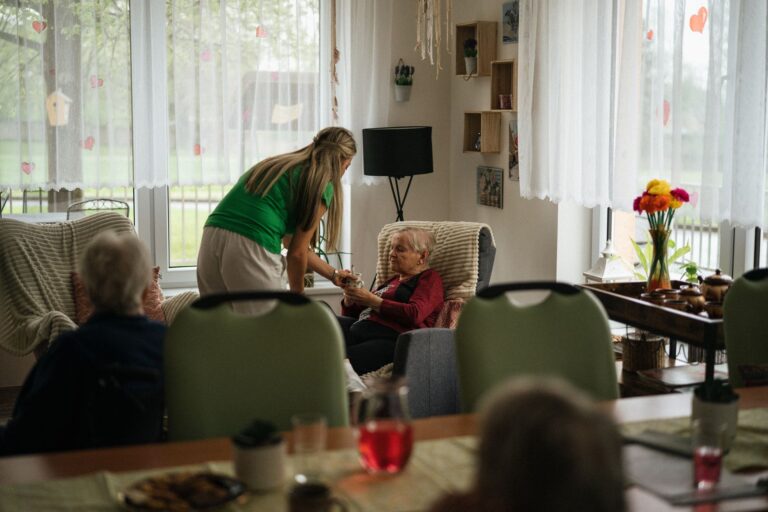
Moving a parent with dementia in with young kids can work with close supervision, home safety changes, and clear talk with children. Dementia, a progressive loss of memory and thinking that disrupts daily life, changes what safe means for both ages. The move affects sleep, routines, and privacy for everyone. Planning early for safety, behavior changes, and caregiver backup prevents crisis decisions later.
Medical information disclaimer: This article is for general educational purposes only and does not provide medical advice, diagnosis, or treatment. Always consult a physician or other qualified health professional about symptoms, medications, tests, or treatment decisions.
Table of Contents
- What should you tell young children?
- How do you make one home safe for both ages?
- How do you handle wandering and restless times?
- How do you protect your health while caring both ways?
What should you tell young children?
The Alzheimer's Association explains dementia in simple, age-appropriate words with concrete examples, like forgetting names or repeating questions, and reassures children it is not contagious or their fault in help for talking with kids. Use short sentences, then pause for reaction.
AARP advises parents to name and allow fear, sadness, or embarrassment, invite questions, and let a frightened child leave the room. Books, videos, and shared activities like drawing, singing, or folding towels keep connection without forcing long visits.
How do you make one home safe for both ages?
The National Institute on Aging recommends locking medications, cleaning products, tools, alcohol, and firearms, adding outside-door alarms or secure locks, and using room monitors for nighttime falls in home safety tips for Alzheimer's caregiving. Do these changes before move-in day.
A person with moderate dementia should not stay alone, according to Alzheimer's Association wandering guidance shared through VNA Ohio. Hide car keys and tell trusted neighbors wandering may happen.
- Lock medicines, cleaners, knives, tools, alcohol, and firearms out of reach and sight.
- Add chimes or keyed locks on exterior doors and gates to pools or streets.
- Use night-lights, stair gates, and a monitor for bathroom trips and falls.
- Keep kitchens, bathrooms, exits, and driveways supervised at all times.
How do you handle wandering and restless times?
About six in 10 people living with dementia will wander at least once, often repeatedly, with risks of getting lost, falling, or missing medication, according to the Alzheimer's Association reporting covered in coverage of wandering risks. Treat every exit as an opportunity for elopement.
The Alzheimer's Association advises a steady daily routine with exercise, simple repetitive tasks like walking, gardening, or baking, and planned activity during peak restless hours. Pair restlessness with presence, not correction, and redirect with a snack, music, or short walk.
How do you protect your health while caring both ways?
Sandwich-generation caregivers face high emotional stress and worse physical health, including sleep loss and depressive symptoms, according to the Family Caregiver Alliance. Regular breaks protect health rather than signal failure.
Home adaptations cannot replace supervision as dementia progresses, so line up backup now through the ARCH National Respite Network locator, adult-day programs, or outside help in the respite locator tool. Save the Alzheimer's Association 24/7 helpline in your phone now: 800-272-3900.