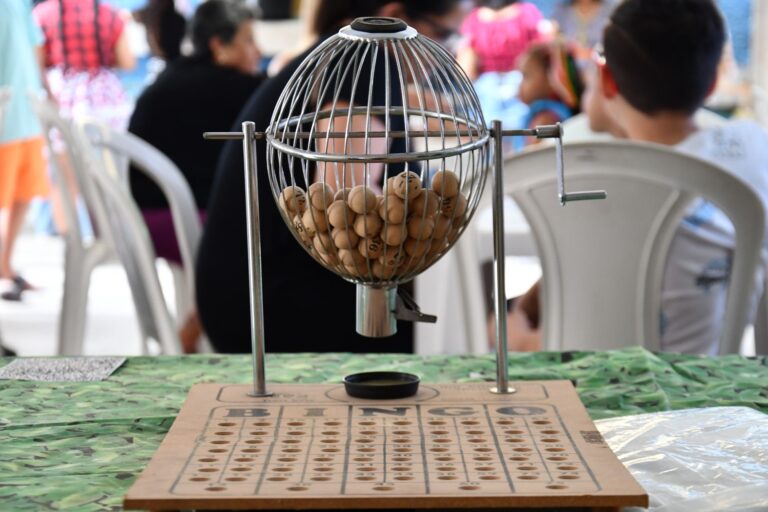
Good replacements for Picture Bingo, a matching game that uses images instead of numbers, include music, movement, creative work, and household routines. When interest changes, match the new activity to what the person can still do and keep it enjoyable. Loss of interest often means the task feels too hard, too long, or tiring that day. The National Institute on Aging advises helping the person start, keeping the tone pleasant, and changing activities if frustration or refusal appears advice on adapting activities for Alzheimer's disease.
Medical information disclaimer: This article is for general educational purposes only and does not provide medical advice, diagnosis, or treatment. Always consult a physician or other qualified health professional about symptoms, medications, tests, or treatment decisions.
Table of Contents
- How should you change course when interest drops?
- Can familiar music and movement fill the gap?
- Which hands-on and memory activities work at home?
- What are the limits of fixing the bingo game itself?
How should you change course when interest drops?
Watch for early signs such as pushing cards away, staring, restlessness, or sharp remarks. These signals mean pause the game before distress grows. Offer a clear, calm choice between two familiar options.
Pick tasks that use skills the person still has, such as listening, folding, sorting, or looking at photos. Avoid new rules or timed play when attention is low. Use the same time and place when you can, and keep supplies within reach. A steady setup lowers confusion and makes trying again easier tomorrow.
- Help with the first step so starting feels easy.
- Keep sessions short and praise effort, not correct answers.
- Switch promptly if tension, refusal, or fatigue appears.
Can familiar music and movement fill the gap?
Yes. The National Institute on Aging suggests playing known songs and asking what the person was doing when each song was popular. Talk about the artist, then sing or dance together while it stays pleasant. Gentle movement also works.
The same source recommends a short walk together, tossing a soft ball or balloon, or using stretching bands. It also lists lifting soup cans as weights or following exercise videos made for older adults. Choose one option that fits balance, strength, and mood that day. Keep the pace slow and the space clear, with a chair nearby for rests. Stop if breathing grows hard, pain appears, or enjoyment fades, and try music listening instead.
Which hands-on and memory activities work at home?
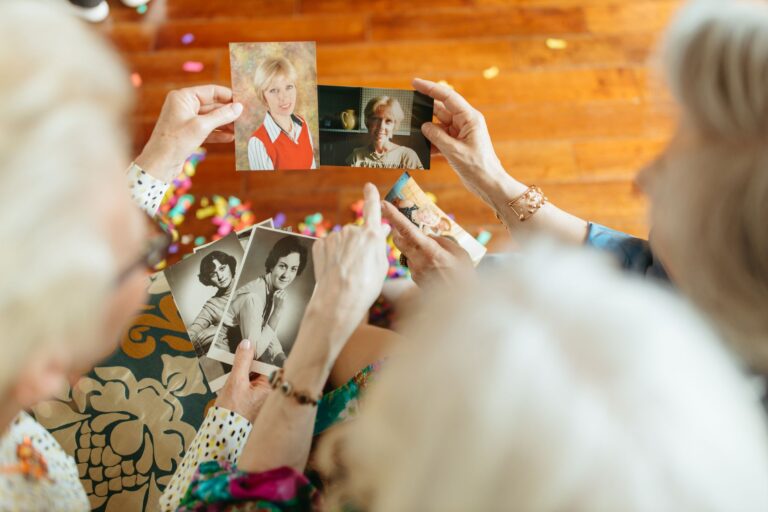
The Alzheimer's Foundation of America lists options by Alzheimer's stage, including painting, collaging, singing, journaling, scrapbooking with photos, cooking or baking, and holiday traditions. Pick one familiar craft rather than teaching a new skill. Let the person handle simple steps while you guide the rest. The Alzheimer's Association notes that ordinary tasks can comfort when games fail, such as sweeping, folding laundry, sorting silverware, and looking through photo albums.
These jobs give familiarity and routine without scoring or winning. Work side by side and talk about what you both see and touch. Match the task to attention span and time of day. A photo album suits a quiet evening, while folding laundry or light cooking suits a restless morning. End while the mood is still good so the activity stays linked to comfort.
What are the limits of fixing the bingo game itself?
Making cards easier does not help everyone. Case Western Reserve University researchers tested larger cards with brighter light and stronger contrast report on bingo card visibility. People with mild dementia reached healthy-peer scores, but people with more severe dementia showed little gain. Social time still matters.
A Rush University Medical Center study followed 1,923 dementia-free older adults for about seven years summary of the social activity findings. Frequent social activities included dining out, visiting friends, traveling, church, and bingo. The most social group had 38% lower dementia risk, 21% lower mild impairment risk, and onset five years later, about age 92 versus 87. If larger cards still cause confusion, replace the game rather than enlarge it again. Keep one social habit the person enjoys, and let bingo return only if asked for.