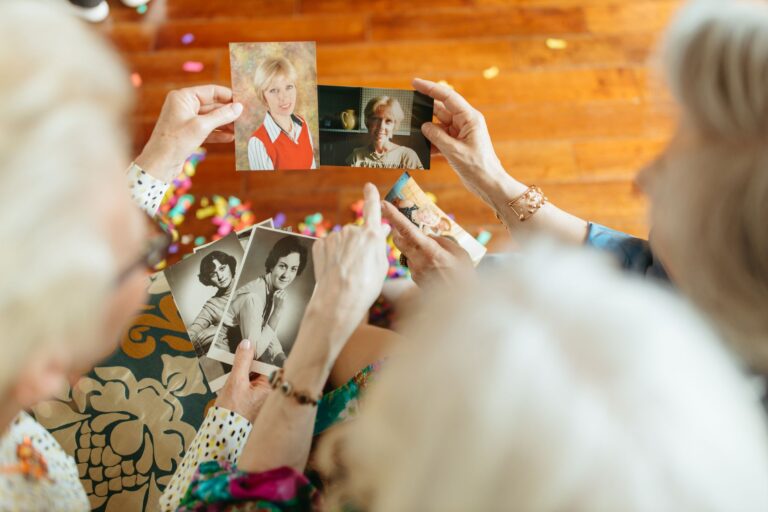
Offer picture bingo, bingo played with pictures instead of numbers, when number bingo becomes too hard to follow. Offer it briefly at the person's best time each day, often morning or early afternoon. Picture bingo keeps the familiar matching and turn-taking with less reading demand. It works best as part of a steady daily routine with simple cards and rules.
Medical information disclaimer: This article is for general educational purposes only and does not provide medical advice, diagnosis, or treatment. Always consult a physician or other qualified health professional about symptoms, medications, tests, or treatment decisions.
Table of Contents
- Is it time to switch from number bingo?
- What time of day should you play?
- How long and how often should you play?
- How should you set up the cards?
- When should you stop or change course?
Is it time to switch from number bingo?
Number bingo asks players to hear numbers, scan rows, and mark matches quickly. Picture matching lowers that load while keeping the social game intact. Watch for lost place, slow matching, or less enjoyment across several games.
The Alzheimer Society of Saskatchewan advises switching to simpler picture bingo with large print and changed rules when numbers no longer work Meaningful Activity booklet. Keep the familiar calling rhythm and cut choices per card. Change one rule at a time so success stays likely.
- Misses called numbers but names pictures easily
- Loses place on a number grid
- Quits early or seems frustrated by numbers
What time of day should you play?
The Alzheimer's Association advises scheduling demanding activities in the morning or early afternoon when the person is more alert. That timing can reduce late-day confusion called sundowning. Treat picture bingo as a thinking task and place it in that clearer window.
Use the person's own sharpest hour inside that morning window. If talk and eye contact are strongest after breakfast, make that the bingo time. Keep the same calm spot so the routine cues attention.
How long and how often should you play?
The Alzheimer's Association advises home caregivers to write a daily plan that balances chores, meals, personal care, creative, intellectual, social, physical, and spontaneous activities daily care plan page. Picture bingo can fill the creative or social slot. Revise the plan as abilities change. The National Institute on Aging advises matching activities to current abilities and offering them at the person's best time with simple steps adapting activities guide.
That points to short, steady sessions once a day rather than long, occasional games. Researcher Benjamin P. Sobel studied 20 minutes of bingo in adult day care. That short game improved picture naming and word-list recognition, while 20 minutes of physical activity did not.
How should you set up the cards?
In the Case Western Reserve bingo experiment, larger, high-contrast cards improved thinking and playing performance in people with Alzheimer's, Parkinson's, and age-related visual-contrast loss ScienceDaily report. Choose large pictures, thick lines, and dark-on-light contrast.
Keep the card uncrowded so each picture stands out. Participants with mild dementia using brightness-, size-, and contrast-adjusted computer cards performed as well as their healthy peers, the Case Western Reserve team reported. That result supports simple setup changes over complex new rules.
- Use one clear picture per square with large print labels
- Call slowly and show the called picture
- Mark with large tokens and praise matches
When should you stop or change course?
The National Institute on Aging advises stopping or switching if frustration or discomfort appears. Watch the face, voice, and pace for early strain. End the round kindly before upset grows.
The same Case Western Reserve experiment found little performance change for people with more severe dementia. Adapted bingo is not shown to overcome advanced-disease effects. If sessions bring repeated confusion or no enjoyment, shorten them or try another shared activity.
- Frowns, pushes card away, or says no
- Repeats mistakes after simplified help
- Seems tired, restless, or upset