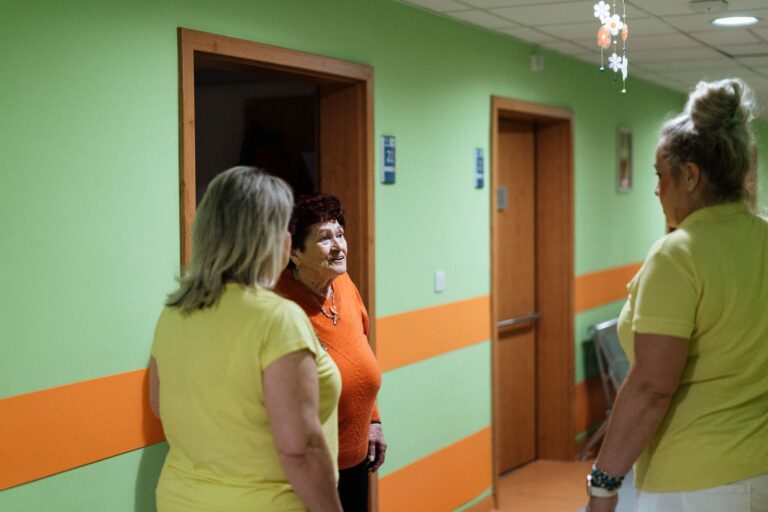
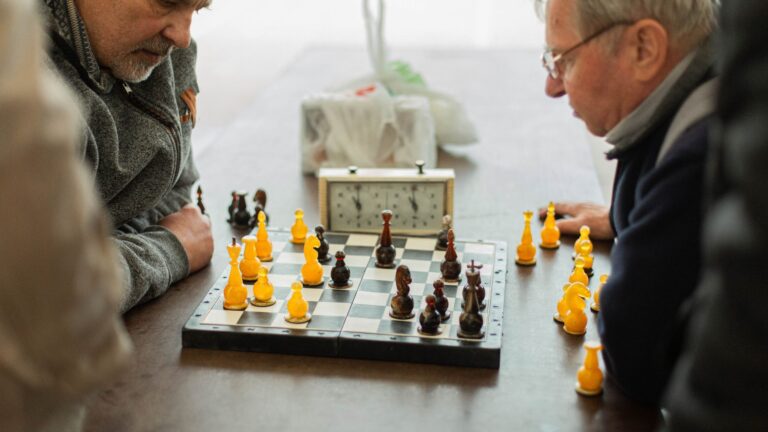
When simple jigsaw puzzles lose appeal in dementia home care, music, familiar chores, gardening, and creative reminiscence activities can take their place. Dementia is a decline in memory and thinking that affects daily life, so changing interests signal a need for a better fit. The National Institute on Aging advises matching activities to current abilities and past interests in its adapting activities guide. Breaking tasks into easy steps and adapting a familiar activity often works better than starting something new.
Medical information disclaimer: This article is for general educational purposes only and does not provide medical advice, diagnosis, or treatment. Always consult a physician or other qualified health professional about symptoms, medications, tests, or treatment decisions.
Table of Contents
- Match the activity to today's abilities
- Can familiar music replace puzzle time?
- What household and garden tasks count as engagement?
- Which creative activities support memory and mood?
- How do you offer a new activity calmly?
Match the activity to today's abilities
Start with what the person can still do and enjoy. Use past jobs, hobbies, and routines as clues, then simplify the task so each step succeeds.
If full puzzles cause frustration, keep only the familiar part. Sort large pieces by color, match edges, or look at finished pictures together and talk about them.
Can familiar music replace puzzle time?
Yes. Play familiar songs, name the singer, ask what the person was doing when the song was popular, then sing or dance along. The National Institute on Aging lists this sequence as a direct puzzle substitute.
A Cochrane evidence review found moderate-quality evidence that music-based interventions reduce depression and behavioral symptoms in dementia in the Cochrane review summary. Evidence for well-being and anxiety was lower quality, with no reported adverse effects. Effects vary by person and format, with individual therapy showing larger behavioral effects than group formats in some trials.
What household and garden tasks count as engagement?
Everyday chores provide structure, movement, and a sense of help. The Alzheimer's Association lists washing dishes, folding laundry, sorting socks or mail, dusting, sweeping, and helping prepare food as home options in its daily care activities page.
Gardening offers a slower, sensory alternative. The National Institute on Aging recommends caring for indoor or outdoor plants, planting flowers or vegetables, watering, and observing growth together. Hand the person one small job, such as filling a watering can or pressing soil around a seedling.
Which creative activities support memory and mood?
The Alzheimer's Foundation of America points to painting, collaging, singing, journaling, scrapbooking, cooking or baking, and revisiting holiday traditions. These activities use long-held skills and memories rather than new problem-solving.
Choose process over product. Decorate cookies, arrange family photos, hum a holiday song, or stir a familiar recipe. Stop when attention fades and keep the finished item only if the person values it.
How do you offer a new activity calmly?
Offer short, adult-appropriate choices and praise participation. Allow quiet breaks and switch among music, art, chores, gardening, walks, and social contact when interest drops.
Watch for fatigue, noise overload, or pain. Move to a calmer spot, offer water, and try a gentler activity later.
- Offer one clear choice at a time
- Focus on doing, not finishing correctly
- Praise effort and allow rest
- Change to a walk, song, or visit if frustration rises