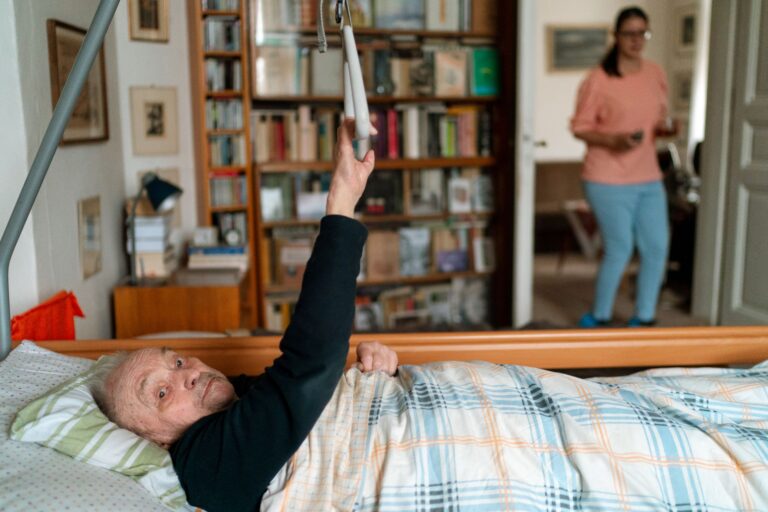
Community-academic partnerships pair researchers with clinics, long-term-care providers and community groups to improve dementia care planning for family caregivers. The 2026 National Institute on Aging report makes them a research priority for finding and supporting caregivers through everyday community settings. The National Institute on Aging convened the virtual summit March 17-19, 2026. Attendees included researchers, people living with dementia, care partners, clinicians and community organizations, according to the National Institute on Aging summit page.
Medical information disclaimer: This article is for general educational purposes only and does not provide medical advice, diagnosis, or treatment. Always consult a physician or other qualified health professional about symptoms, medications, tests, or treatment decisions.
Table of Contents
- Why caregivers go unseen in health records
- How partnerships test care where families live
- What coordinated dementia help can include
- What to ask for at the next visit
Why caregivers go unseen in health records
Gap 3.1 in the resulting report calls for identifying and engaging caregivers through community settings. Caregivers remain invisible in patient-centered administrative and health data, which limits recruitment and support, according to the National Institute on Aging in the 2026 Summit Report. The scale is large. In 2026 about 5.7 million U.S.
adults age 51 and older lived with dementia, supported by 5.2 million care partners. Those partners provided 6.8 billion unpaid hours valued at $237 billion, within $818 billion in total costs, according to the Schaeffer Institute study. Strain is also high: 59% rate emotional stress high or very high, according to the Alzheimer's Association 2025 Facts and Figures. A January 2026 national survey found 79.3% made life or work changes for caregiving, while only 13% made none.
How partnerships test care where families live
NIH renewed the IMPACT Collaboratory in 2025 to test dementia care approaches directly within health, long-term-care and community systems. People receive care where they live, not only in research clinics, according to the ASPE National Plan 2025 Update and NIH.
For families, that means a familiar local site can become the study site. A primary-care practice, home-care agency, adult-day program or faith-based support group works with researchers to try navigation, training or coordination. Lessons then reflect staffing limits, transportation gaps and language needs that shape daily care plans.
What coordinated dementia help can include
The Centers for Medicare & Medicaid Services launched the eight-year GUIDE Model on July 1, 2024. About 390 organizations are building Dementia Care Programs with navigation, a 24-hour support line, caregiver education, coordination and respite, according to the CMS account of the GUIDE Model.
Navigation means one point of contact for appointments, referrals and next steps. Education and respite give the care partner skills and short breaks. Together they turn a loose set of referrals into a written plan with named tasks, timelines and backup contacts.
What to ask for at the next visit
Eligible Medicare families can ask a clinician or the Alzheimer's Association helpline for a GUIDE-enrolled provider. That referral can bring coordinated planning, training and respite with no beneficiary cost-sharing, according to CMS and the Alzheimer's Association via this GUIDE provider guide.
The 2026 NIA report recommends no single treatment or care model. It flags persistent data silos and an unevaluated economic case for early detection, so community-academic findings are research priorities, not proven standards, according to the NIA Summit Report. Use them to guide questions, then choose local services that fit your schedule, budget and support network.
- Ask whether your clinic works with a GUIDE Dementia Care Program
- Ask what navigation, 24-hour help, training and respite are covered
- Bring work limits, backup helpers and safety concerns to write into the plan
You Might Also Like
- The NIA 2026 Dementia Care and Caregiving Summit Report: Care-Planning Implications for Family Caregivers
- The $781 Billion Dementia Economic Estimate in the 2026 NIA Report: Care-Planning Implications for Family Caregivers
- Early Dementia Diagnosis Economics in the 2026 NIA Report: Care-Planning Implications for Family Caregivers