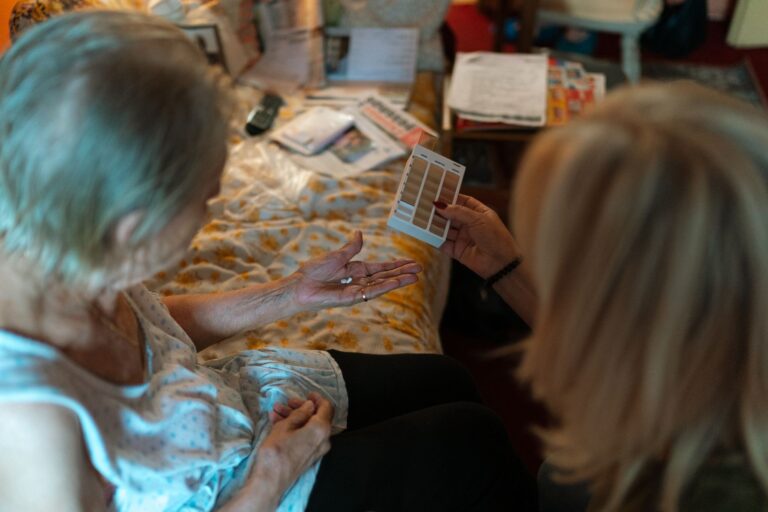
The NIA 2026 Dementia Care and Caregiving Summit Report points family caregivers toward planning that begins at diagnosis and continues through later care needs. Its central implication is clear: a care plan should cover medical care, daily support, decision-making, money, legal preparation, and end-of-life preferences—not only appointments and medications. The National Institute on Aging's report reflects research priorities for improving dementia care. It offers a practical framework for families to organize questions and responsibilities over time.
Medical information disclaimer: This article is for general educational purposes only and does not provide medical advice, diagnosis, or treatment. Always consult a physician or other qualified health professional about symptoms, medications, tests, or treatment decisions.
Table of Contents
- Start planning when diagnosis enters the picture
- Build a plan for the full course of dementia
- Treat care coordination as more than scheduling
- Plan for the whole caregiving network
- Look for organized support and respite
- Use the report as a planning lens
Start planning when diagnosis enters the picture
Early diagnosis can create time for treatment discussions and financial planning, according to the National Institute on Aging's Summit report. It also gives the person living with dementia a greater opportunity to state preferences while participating in decisions.
Use early conversations to identify who will communicate with clinicians, help manage records, and participate in major decisions. Include the person with dementia as fully as possible, rather than assuming one relative must take over every role immediately. A useful first planning meeting can address:.
- Who attends medical visits or receives care updates
- Which daily tasks already require help
- Who can handle bills, insurance questions, and documents
- What support the main caregiver needs to continue safely
- Which preferences should be recorded for future care
Build a plan for the full course of dementia
The report calls for longitudinal post-diagnosis care: support that continues over time and includes medical and nonmedical therapies, home- and community-based services, financial and legal planning, and end-of-life care. The National Institute on Aging's 2026 Summit report places these elements in one connected course of care. Families can turn that idea into a living plan rather than a one-time checklist.
Revisit it after a health change, hospital stay, change in living situation, or new caregiver strain. Separate immediate needs from later decisions. For example, arranging transportation or meal help may be urgent now, while discussing palliative care, hospice, housing, and future decision-makers may be appropriate to document before a crisis.
Treat care coordination as more than scheduling
Dementia care coordination means linking care across diagnosis, person-centered dementia management, coexisting health conditions, and, eventually, palliative care and hospice. That definition from the Summit report makes care coordination broader than booking appointments. A family can designate one person to maintain a shared care calendar and a concise list of medicines, clinicians, symptoms, preferences, and emergency contacts.
That person does not need to provide all hands-on care; the role is to keep information and next steps from falling between people. Ask the care team who is responsible for each concern. A memory clinician may address dementia symptoms, while primary care and other clinicians may manage coexisting conditions. Community services may help with meals, transportation, adult day services, or caregiver support.
Plan for the whole caregiving network
The report distinguishes family care partners from unpaid caregivers. Family care partners may provide emotional support and participate in decisions, while unpaid caregivers can also include friends, neighbors, and fictive kin who help with health or daily functioning. That distinction matters when assigning responsibilities.
The person making health decisions may not be the person who drives to appointments, prepares meals, checks in by phone, or provides overnight supervision. Make responsibilities visible and specific. A shared plan might assign one person to financial tasks, another to weekly companionship, and another to emergency backup. Reassess the arrangement when caregiving hours grow, because unpaid care can affect work, savings, health, and relationships.
Look for organized support and respite
The Summit report estimates dementia's annual U.S. economic impact at $781 billion, including $233 billion in unpaid care. The National Institute on Aging report underscores why caregiving time and financial consequences belong in a family care plan.
For Medicare families, ask whether a local dementia-care program participates in the CMS GUIDE Model. CMS says participating programs provide care navigation, a 24/7 support line, caregiver training, community-resource connections, and up to $2,500 each year in respite for qualifying caregivers. CMS's GUIDE Model page Before relying on any program, ask what services are available locally, whether the person is enrolled through a participating program, and what qualifications apply for respite.
Use the report as a planning lens
The Summit convened virtually from March 17 through 19, 2026, bringing together people living with dementia, care partners, providers, and other stakeholders to assess progress and unmet research needs. NIA's Summit overview The report's gaps and opportunities are contributors' research priorities, not a new caregiver benefit or consensus clinical instruction.
Use it to frame conversations with clinicians, family members, and service providers. The most practical takeaway is to plan for changing needs early, share responsibility deliberately, and update the plan as dementia care becomes more complex.
You Might Also Like
- Strengths-Based Dementia Care in the 2026 NIA Report: Questions Family Caregivers Can Ask Local Care Programs
- Early Dementia Diagnosis Economics in the 2026 NIA Report: Questions Family Caregivers Can Ask Local Care Programs
- Early Dementia Detection Across Care Settings in the 2026 NIA Report: Questions Family Caregivers Can Ask Local Care Programs