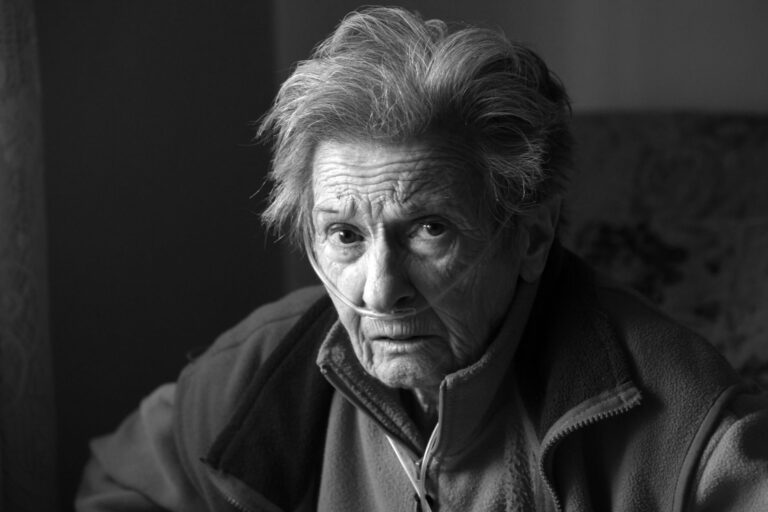
Lewy body dementia can include REM sleep behavior disorder (RBD), a condition in which a person physically acts out dreams during sleep. Episodes may involve talking, yelling, punching, kicking, flailing, or falling from bed, sometimes during vivid dreams of being chased or attacked, according to the National Institute on Aging. Acting out dreams can be an early clue, but it does not prove that someone has Lewy body dementia. RBD also occurs with other neurological disorders and can injure the sleeper or a bed partner.
Medical information disclaimer: This article is for general educational purposes only and does not provide medical advice, diagnosis, or treatment. Always consult a physician or other qualified health professional about symptoms, medications, tests, or treatment decisions.
Table of Contents
- What nighttime episodes may look like
- Can acting out dreams come before dementia?
- What does RBD say about diagnosis?
- What should families do after an episode?
What nighttime episodes may look like
RBD happens when the usual muscle paralysis of REM sleep is lost. The person continues to dream, but their muscles can move with the dream, according to the National Institute on Aging's Sleep and Older Adults.
A bed partner might describe the person as: These episodes can look dramatic, but a single movement does not establish RBD. The pattern, timing, dream recall, injuries, and other sleep or neurological symptoms matter.
- Speaking, shouting, or laughing during sleep
- Reaching, flailing, punching, or kicking
- Appearing to defend against an attacker
- Falling or jumping from bed
- Waking after a vivid, frightening dream
Can acting out dreams come before dementia?
Yes. RBD may appear years before other lewy body dementia symptoms, so dream enactment can be an early clue rather than a problem that begins only after a dementia diagnosis. The National Institute on Aging identifies this possible timing in its discussion of Lewy body dementia causes, symptoms, and diagnosis.
That timing can be useful when a clinician reviews the person's history. A bed partner's observations may reveal a long-standing sleep behavior that the sleeper does not remember or recognize. However, early does not mean definitive. Acting out dreams cannot identify which neurological disorder, if any, will develop in a particular person.
What does RBD say about diagnosis?
The 2017 DLB Consortium criteria gave RBD greater diagnostic importance, but they still distinguish clinical features from biomarkers. A nighttime symptom alone should not determine a Lewy body dementia diagnosis, as described in the DLB Consortium criteria. Acting out dreams is not specific to Lewy body dementia.
Isolated RBD can also be an early sign of Parkinson's disease or multiple-system atrophy, and it does not predict which disorder an individual will develop, according to a 2019 study in Brain. One large multicenter cohort illustrates both the association and its limits: among 1,280 people with idiopathic RBD, 6.3% per year developed an overt neurodegenerative syndrome, and 73.5% had converted by 12 years. The group was predominantly male and averaged 66 years old, so these figures cannot directly predict one person's future.
What should families do after an episode?
Start by recording what happened. Note the person's movements, words, dream description, injuries, falls, frequency, and whether a bed partner witnessed the event. A short, factual description is more useful than assuming every nighttime movement represents RBD.
Arrange medical evaluation, especially when episodes repeat, cause injury, or occur alongside changes in movement, thinking, alertness, or behavior. A clinician may order overnight polysomnography, a sleep study that records sleep stages and muscle activity while also assessing conditions such as sleep apnea, restless legs syndrome, and RBD, according to the National Institute on Aging. Make the sleep area safer while waiting for evaluation: Do not diagnose RBD from one frightening night. Document the pattern and bring it to a clinician who can evaluate the sleep behavior alongside the person's broader health history.
- Move sharp, heavy, or breakable objects away from the bed.
- Reduce the risk of falling from the bed.
- Consider the safety of the bed partner if striking or kicking occurs.
- Seek prompt medical attention after a significant fall or injury.